
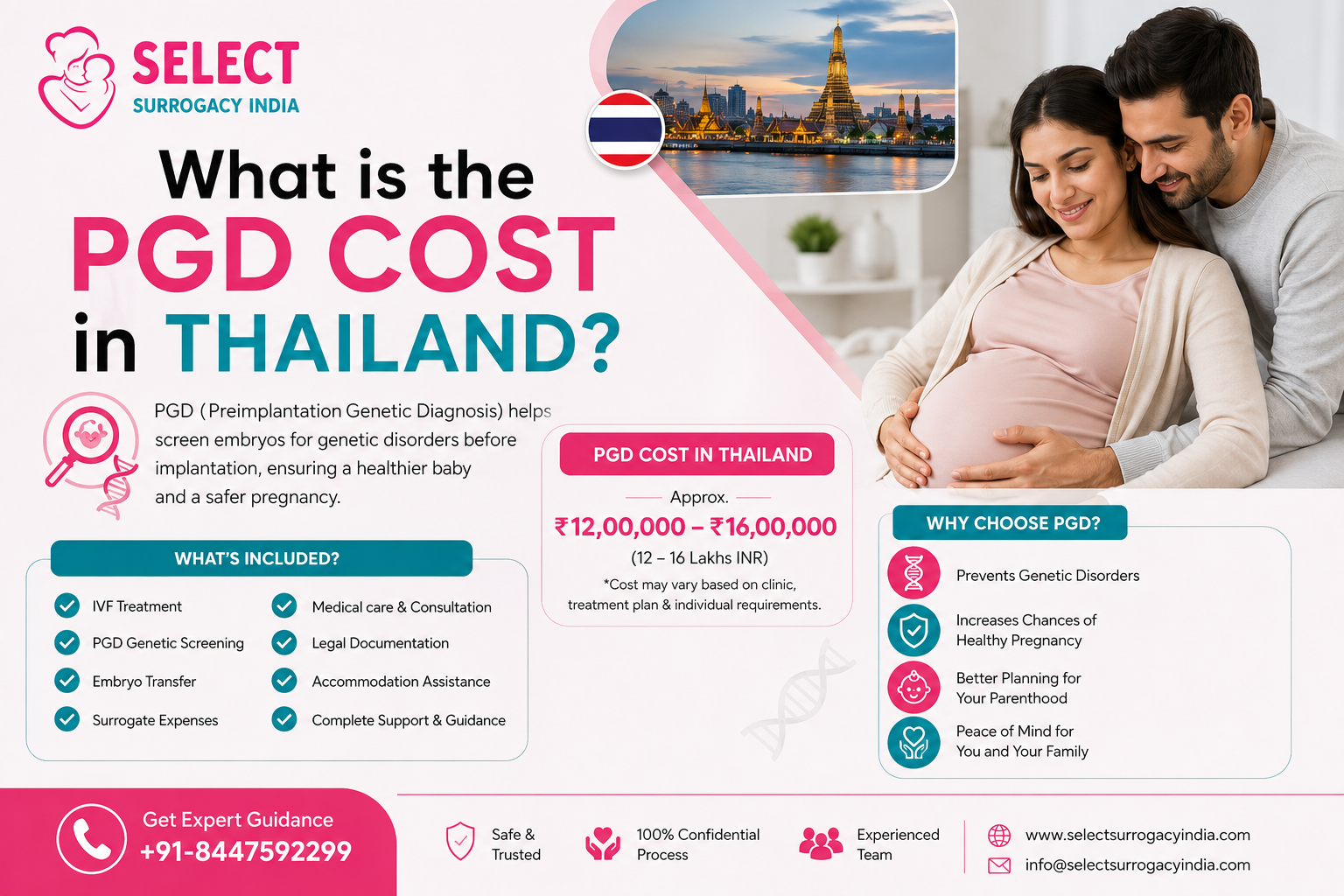
Sometimes, the journey to becoming parents needs a little extra care. For many couples, fertility treatment is not only about achieving pregnancy but also about giving their future child the healthiest possible start in life. If there is a family history of inherited diseases, repeated IVF failures, or recurrent miscarriages, doctors may recommend a specialized procedure called Preimplantation Genetic Diagnosis (PGD). Thailand has become one of Asia’s leading destinations for advanced fertility treatment because of its experienced fertility specialists, modern IVF laboratories, and international healthcare standards. Every year, many local and international patients travel to Thailand for IVF combined with genetic testing. One of the first questions patients ask is, “What is the PGD cost in Thailand?“ The answer depends on several factors, including the fertility clinic, the IVF treatment plan, laboratory technology, the number of embryos tested, and individual medical requirements. This guide explains everything you need to know about the PGD Cost in Thailand, including average treatment costs, factors affecting the price, the PGD procedure, benefits, and important information to help you make an informed decision. What is PGD? Preimplantation Genetic Diagnosis (PGD) is an advanced genetic testing technique performed during an IVF cycle. Before embryos are transferred into the uterus, a few cells are carefully removed from each embryo and examined in a specialized laboratory to identify certain inherited genetic disorders. The purpose of PGD is to help doctors select embryos that are free from specific genetic conditions before pregnancy begins. Unlike routine IVF, PGD adds an additional layer of genetic screening, making it especially valuable for couples with known hereditary medical conditions. Who May Benefit from PGD? Your fertility specialist may recommend PGD if you have one or more of the following situations: Not every IVF patient requires PGD. The decision depends on your medical history and genetic counselling. Why Choose Thailand for PGD Treatment? Thailand has gained international recognition for offering advanced reproductive medicine supported by modern laboratory technology and experienced fertility specialists. Some reasons why patients choose Thailand include: Experienced Fertility Specialists Many fertility clinics have reproductive endocrinologists and embryologists who specialize in advanced IVF and genetic testing procedures. Modern Genetic Laboratories Accurate genetic testing depends on high-quality laboratories equipped with advanced technology and strict quality control systems. Personalized Treatment Every patient receives an individualized treatment plan based on fertility history, age, medical reports, and genetic counselling. International Patient Services Many fertility centres provide assistance with travel planning, appointment scheduling, interpreter services, and accommodation guidance for overseas patients. Comprehensive Fertility Care Patients can receive fertility evaluation, IVF, embryo culture, PGD, embryo freezing, and follow-up care within the same fertility centre. PGD Cost in Thailand The PGD Cost in Thailand depends on several components because PGD is performed alongside an IVF cycle rather than as a standalone procedure. On average: The final amount varies depending on: Because every fertility journey is different, patients should always request a personalized treatment estimate after their consultation. Average PGD Cost Breakdown in Thailand Treatment Component Cost (THB) Initial Consultation 1,500–5,000 Fertility Evaluation 10,000–30,000 IVF Cycle 250,000–450,000 ICSI (if required) 20,000–50,000 PGD Testing 100,000–250,000 Embryo Biopsy Often included with PGD Embryo Freezing 20,000–50,000 Annual Embryo Storage 10,000–25,000 Pregnancy Blood Test 1,000–3,000 Factors That Affect PGD Cost in Thailand Every patient’s treatment plan is unique. Several factors influence the overall PGD Cost in Thailand. 1. Number of Embryos Tested One of the biggest factors affecting the total cost is the number of embryos sent for genetic testing. More embryos usually require additional laboratory work, which may increase the overall price. 2. IVF Treatment Requirements PGD is performed during an IVF cycle. If additional fertility medications or advanced laboratory procedures are required, the total treatment cost will be higher. 3. Use of ICSI Many fertility specialists recommend Intracytoplasmic Sperm Injection (ICSI) along with PGD to reduce the possibility of contamination during genetic testing. If ICSI is required, it adds to the total treatment cost. 4. Laboratory Technology Different fertility centres use different genetic testing platforms and laboratory technologies. Advanced laboratories often provide highly accurate testing but may charge higher fees. 5. Fertility Clinic The reputation, experience of specialists, quality of laboratory facilities, and level of patient care can all influence the overall PGD Cost in Thailand. 6. Embryo Freezing After PGD testing, embryos are commonly frozen while genetic results are being analyzed. Embryo freezing and annual storage fees may be charged separately depending on the clinic. Is PGD Worth the Cost? For many families, PGD is about much more than an additional medical expense. It offers the opportunity to reduce the risk of passing certain inherited genetic conditions to future children and can provide reassurance during the fertility journey. While the PGD Cost in Thailand may seem significant, many couples consider it a valuable investment because it supports informed embryo selection and may improve treatment planning in suitable cases. However, PGD is not necessary for everyone. Your fertility specialist and genetic counsellor will determine whether this procedure is appropriate based on your medical history and individual circumstances. Step-by-Step PGD Process in Thailand Understanding the treatment process can help patients feel more prepared before starting their fertility journey. Although every treatment plan is personalized, the PGD procedure usually follows these steps. Step 1: Initial Consultation The journey begins with a detailed consultation with a fertility specialist. During this appointment, the doctor reviews your medical history, fertility reports, previous pregnancies, family history of genetic disorders, and any previous IVF treatments. If there is a possibility of an inherited genetic condition, the doctor may recommend genetic counselling before beginning treatment. Step 2: Fertility Evaluation Both partners undergo fertility investigations to assess their reproductive health. These tests may include: For Women For Men The results help the fertility specialist prepare a personalized IVF and PGD treatment plan. Step 3: Ovarian Stimulation The woman receives fertility medications to stimulate the ovaries and encourage the development of multiple mature eggs. During this phase, regular ultrasound scans and blood tests are performed to monitor the growth of the