
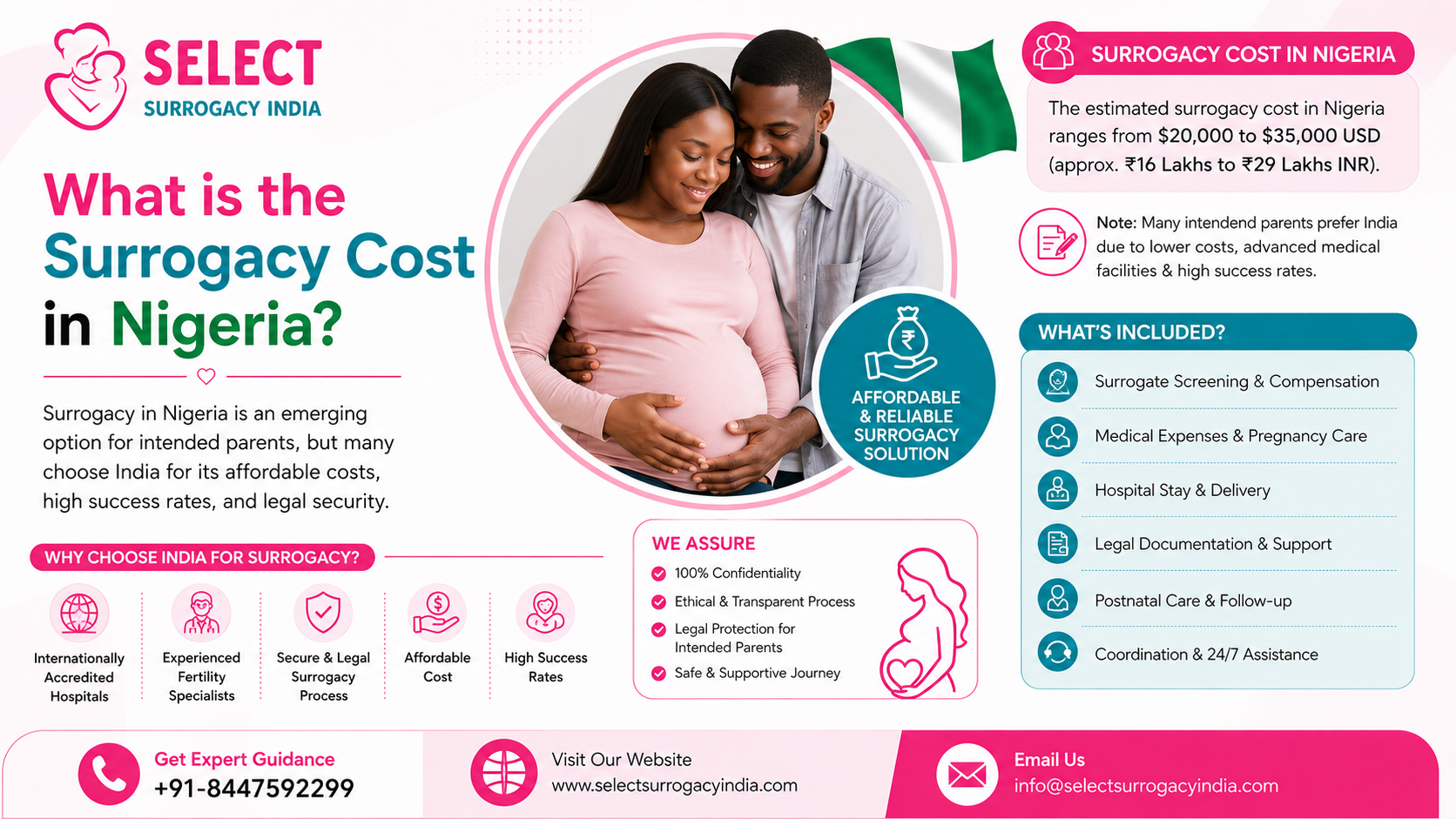
For many couples, the dream of holding their own baby is one of life’s greatest hopes. However, infertility, medical conditions, or repeated pregnancy complications can make this journey much more difficult than expected. The emotional challenges of trying to conceive often leave intended parents searching for safe and effective alternatives that can help them build the family they have always dreamed of. One of these options is surrogacy, a process that has helped thousands of families across the world welcome a child into their lives. Through surrogacy, another woman carries and delivers a baby on behalf of the intended parents, giving hope to people who may not be able to experience pregnancy themselves. Nigeria has gradually become a country where fertility treatments, including IVF and surrogacy, are becoming more accessible. Several fertility clinics now offer advanced reproductive services with experienced specialists and modern medical facilities. As awareness about assisted reproductive technology continues to grow, many intended parents are exploring surrogacy as a possible path to parenthood. One of the first questions that comes to mind is, “What is the Surrogacy Cost in Nigeria?“ The answer is not always straightforward because the total cost depends on several factors. These include medical procedures, IVF treatment, surrogate compensation (where applicable), legal documentation, fertility medications, prenatal care, hospital expenses, and other services included in the surrogacy program. Understanding these expenses before starting treatment is important because surrogacy is both a medical and financial commitment. Knowing what is included in the overall package allows intended parents to plan better and avoid unexpected costs during the journey. In this comprehensive guide, you will learn everything about Surrogacy Cost in Nigeria, including the complete cost breakdown, factors affecting the price, surrogacy process, treatment timeline, benefits, risks, success rate, and helpful tips for choosing the right fertility centre. Understanding Surrogacy Surrogacy is an assisted reproductive arrangement in which a woman, known as the surrogate mother, carries a pregnancy for another individual or couple who intends to become the child’s legal parents after birth. Today, the most commonly used form is gestational surrogacy. In this method, the surrogate does not provide her own egg. Instead, embryos are created through In Vitro Fertilization (IVF) using the intended mother’s eggs or donor eggs together with sperm from the intended father or a donor. The embryo is then transferred into the surrogate’s uterus. Because the surrogate has no genetic connection to the baby in gestational surrogacy, this approach has become the preferred option in many fertility programmes. Surrogacy is often considered after other fertility treatments have not been successful or when pregnancy is medically unsafe for the intended mother. Who Can Consider Surrogacy? Surrogacy may be an option for people facing different medical or reproductive challenges. After a complete fertility evaluation, doctors may recommend surrogacy in situations such as: Women Without a Functional Uterus Some women are born without a uterus, while others may have had it removed because of a medical condition or surgery. Since pregnancy is not possible without a healthy uterus, surrogacy can offer another path to parenthood. Repeated IVF Failure Some couples experience multiple unsuccessful IVF cycles even when good-quality embryos are available. In certain cases, doctors may suggest surrogacy after identifying issues related to the uterus or implantation. Recurrent Pregnancy Loss Women who have experienced repeated miscarriages due to uterine problems or other medical conditions may be advised to consider surrogacy after a thorough medical assessment. Serious Medical Conditions Certain heart diseases, kidney disorders, autoimmune conditions, or other illnesses can make pregnancy risky for both the mother and the baby. In these situations, surrogacy may be discussed as a safer alternative. Same-Sex Couples and Single Intended Parents Depending on the applicable laws and fertility centre policies, surrogacy may also be an option for some intended parents who cannot carry a pregnancy themselves. Is Surrogacy Available in Nigeria? Surrogacy services are available through a number of fertility centres in Nigeria, although the legal and regulatory framework continues to evolve. Because laws and guidelines may change over time, intended parents should seek advice from qualified legal professionals and experienced fertility specialists before beginning the process. Many fertility centres work with multidisciplinary teams that include reproductive specialists, embryologists, counsellors, and legal advisors to help intended parents understand both the medical and legal aspects of surrogacy. Before starting treatment, it is important to discuss: Careful planning at the beginning helps make the surrogacy journey more organized and transparent. Surrogacy Cost in Nigeria One of the most important aspects of planning a surrogacy journey is understanding the expected expenses. The Surrogacy Cost in Nigeria varies from one fertility centre to another because every intended parent’s treatment plan is different. The final cost depends on the medical procedures required, IVF treatment, medications, surrogate-related expenses, legal documentation, prenatal care, and hospital services. In many cases, the complete surrogacy programme may range between ₦8,000,000 and ₦18,000,000 or more, depending on the complexity of the treatment and the services included. Couples should remember that the lowest-priced programme is not always the best choice. The experience of the fertility team, laboratory quality, transparency, patient support, and medical care are equally important when choosing a surrogacy programme. Estimated Surrogacy Cost Breakdown in Nigeria Service Estimated Cost (NGN) Initial Consultation ₦50,000 – ₦150,000 Fertility Evaluation ₦200,000 – ₦500,000 IVF Treatment ₦1,500,000 – ₦3,500,000 Fertility Medications ₦500,000 – ₦1,500,000 Surrogate Screening ₦300,000 – ₦700,000 Surrogate Care & Support Varies by programme Legal Documentation ₦300,000 – ₦1,000,000 Pregnancy Monitoring Varies Delivery & Hospital Charges Depends on hospital Additional Procedures (if needed) Extra Cost What Is Usually Included in a Surrogacy Programme? Although every fertility centre offers different packages, many surrogacy programmes commonly include: Some programmes may also include counselling services and assistance with documentation, while others charge these separately. Step-by-Step Surrogacy Process in Nigeria Starting a surrogacy journey can feel overwhelming at first, especially for couples who have never experienced fertility treatment before. Understanding each stage of the process helps intended parents know what to expect and allows them to