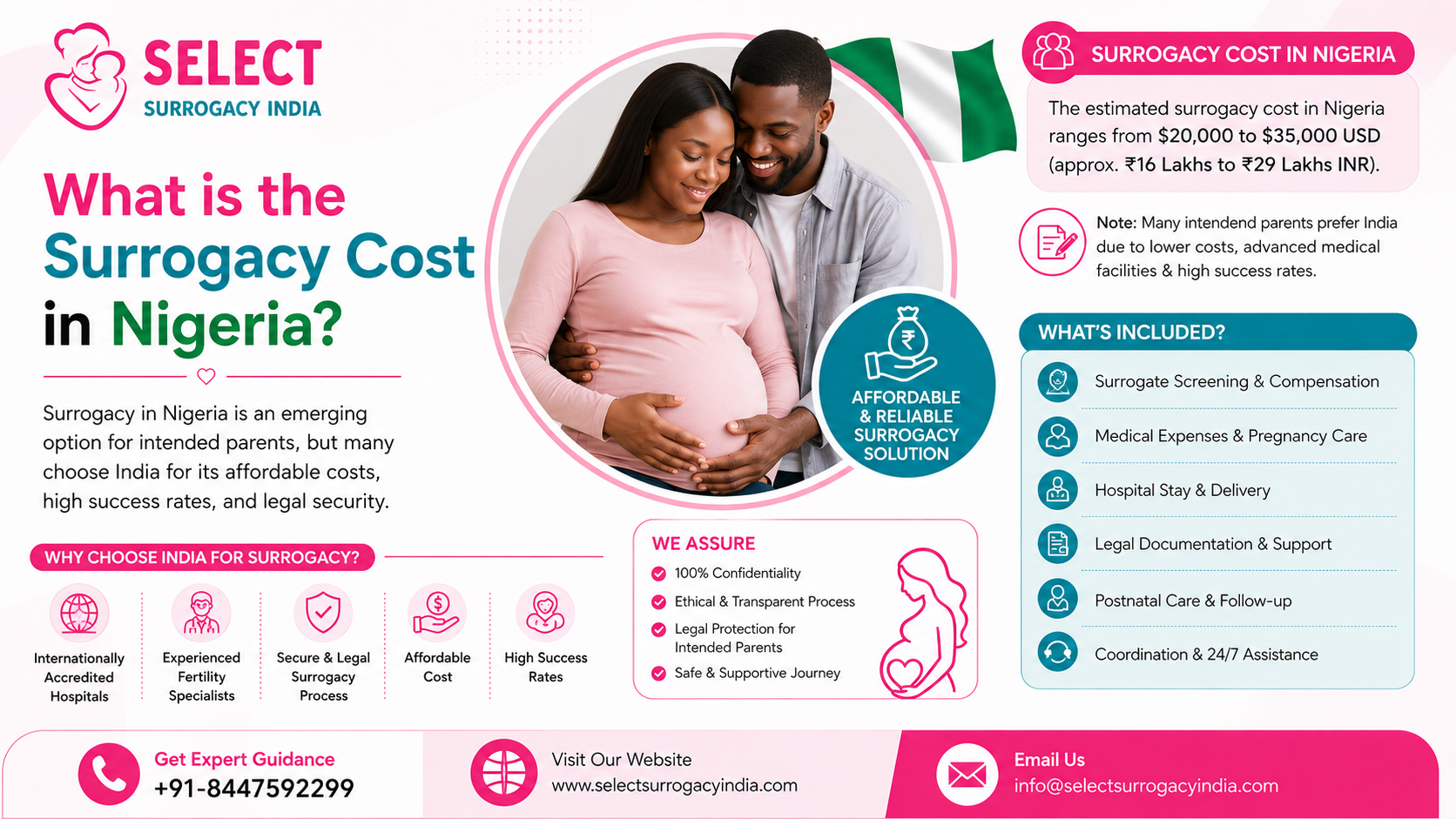
For many couples, the dream of holding their own baby is one of life’s greatest hopes. However, infertility, medical conditions, or repeated pregnancy complications can make this journey much more difficult than expected. The emotional challenges of trying to conceive often leave intended parents searching for safe and effective alternatives that can help them build the family they have always dreamed of.
One of these options is surrogacy, a process that has helped thousands of families across the world welcome a child into their lives. Through surrogacy, another woman carries and delivers a baby on behalf of the intended parents, giving hope to people who may not be able to experience pregnancy themselves.
Nigeria has gradually become a country where fertility treatments, including IVF and surrogacy, are becoming more accessible. Several fertility clinics now offer advanced reproductive services with experienced specialists and modern medical facilities. As awareness about assisted reproductive technology continues to grow, many intended parents are exploring surrogacy as a possible path to parenthood.
One of the first questions that comes to mind is, “What is the Surrogacy Cost in Nigeria?“
The answer is not always straightforward because the total cost depends on several factors. These include medical procedures, IVF treatment, surrogate compensation (where applicable), legal documentation, fertility medications, prenatal care, hospital expenses, and other services included in the surrogacy program.
Understanding these expenses before starting treatment is important because surrogacy is both a medical and financial commitment. Knowing what is included in the overall package allows intended parents to plan better and avoid unexpected costs during the journey.
In this comprehensive guide, you will learn everything about Surrogacy Cost in Nigeria, including the complete cost breakdown, factors affecting the price, surrogacy process, treatment timeline, benefits, risks, success rate, and helpful tips for choosing the right fertility centre.

Understanding Surrogacy
Surrogacy is an assisted reproductive arrangement in which a woman, known as the surrogate mother, carries a pregnancy for another individual or couple who intends to become the child’s legal parents after birth.
Today, the most commonly used form is gestational surrogacy. In this method, the surrogate does not provide her own egg. Instead, embryos are created through In Vitro Fertilization (IVF) using the intended mother’s eggs or donor eggs together with sperm from the intended father or a donor. The embryo is then transferred into the surrogate’s uterus.
Because the surrogate has no genetic connection to the baby in gestational surrogacy, this approach has become the preferred option in many fertility programmes.
Surrogacy is often considered after other fertility treatments have not been successful or when pregnancy is medically unsafe for the intended mother.
Who Can Consider Surrogacy?
Surrogacy may be an option for people facing different medical or reproductive challenges. After a complete fertility evaluation, doctors may recommend surrogacy in situations such as:
Women Without a Functional Uterus
Some women are born without a uterus, while others may have had it removed because of a medical condition or surgery. Since pregnancy is not possible without a healthy uterus, surrogacy can offer another path to parenthood.
Repeated IVF Failure
Some couples experience multiple unsuccessful IVF cycles even when good-quality embryos are available. In certain cases, doctors may suggest surrogacy after identifying issues related to the uterus or implantation.
Recurrent Pregnancy Loss
Women who have experienced repeated miscarriages due to uterine problems or other medical conditions may be advised to consider surrogacy after a thorough medical assessment.
Serious Medical Conditions
Certain heart diseases, kidney disorders, autoimmune conditions, or other illnesses can make pregnancy risky for both the mother and the baby. In these situations, surrogacy may be discussed as a safer alternative.
Same-Sex Couples and Single Intended Parents
Depending on the applicable laws and fertility centre policies, surrogacy may also be an option for some intended parents who cannot carry a pregnancy themselves.
Is Surrogacy Available in Nigeria?
Surrogacy services are available through a number of fertility centres in Nigeria, although the legal and regulatory framework continues to evolve. Because laws and guidelines may change over time, intended parents should seek advice from qualified legal professionals and experienced fertility specialists before beginning the process.
Many fertility centres work with multidisciplinary teams that include reproductive specialists, embryologists, counsellors, and legal advisors to help intended parents understand both the medical and legal aspects of surrogacy.
Before starting treatment, it is important to discuss:
- Eligibility requirements
- Medical evaluations
- Legal agreements
- Financial responsibilities
- Pregnancy monitoring
- Birth planning
Careful planning at the beginning helps make the surrogacy journey more organized and transparent.
Surrogacy Cost in Nigeria
One of the most important aspects of planning a surrogacy journey is understanding the expected expenses.
The Surrogacy Cost in Nigeria varies from one fertility centre to another because every intended parent’s treatment plan is different. The final cost depends on the medical procedures required, IVF treatment, medications, surrogate-related expenses, legal documentation, prenatal care, and hospital services.
In many cases, the complete surrogacy programme may range between ₦8,000,000 and ₦18,000,000 or more, depending on the complexity of the treatment and the services included.
Couples should remember that the lowest-priced programme is not always the best choice. The experience of the fertility team, laboratory quality, transparency, patient support, and medical care are equally important when choosing a surrogacy programme.
Estimated Surrogacy Cost Breakdown in Nigeria
| Service | Estimated Cost (NGN) |
| Initial Consultation | ₦50,000 – ₦150,000 |
| Fertility Evaluation | ₦200,000 – ₦500,000 |
| IVF Treatment | ₦1,500,000 – ₦3,500,000 |
| Fertility Medications | ₦500,000 – ₦1,500,000 |
| Surrogate Screening | ₦300,000 – ₦700,000 |
| Surrogate Care & Support | Varies by programme |
| Legal Documentation | ₦300,000 – ₦1,000,000 |
| Pregnancy Monitoring | Varies |
| Delivery & Hospital Charges | Depends on hospital |
| Additional Procedures (if needed) | Extra Cost |
What Is Usually Included in a Surrogacy Programme?
Although every fertility centre offers different packages, many surrogacy programmes commonly include:
- Initial fertility consultation
- Medical evaluation of intended parents
- Surrogate medical screening
- IVF procedure
- Embryo transfer
- Fertility medications
- Pregnancy monitoring
- Regular ultrasound examinations
- Doctor consultations
- Delivery planning
- Patient coordination and support
Some programmes may also include counselling services and assistance with documentation, while others charge these separately.
Step-by-Step Surrogacy Process in Nigeria
Starting a surrogacy journey can feel overwhelming at first, especially for couples who have never experienced fertility treatment before. Understanding each stage of the process helps intended parents know what to expect and allows them to move forward with greater confidence.
Although every surrogacy case is unique, the overall process usually follows a series of carefully planned medical, legal, and emotional steps. Fertility specialists work closely with intended parents, the surrogate, embryologists, and other healthcare professionals to ensure that every stage is completed safely and responsibly.
Step 1: Initial Consultation
The surrogacy journey begins with a consultation at a fertility centre.
During the first appointment, the fertility specialist reviews the intended parents’ medical history, previous fertility treatments, pregnancy history, and current health condition.
The doctor may also discuss:
- The reasons for considering surrogacy
- Previous IVF attempts
- Medical reports
- Family medical history
- Treatment expectations
- Available fertility options
If additional tests are needed, they are recommended before preparing the treatment plan.
This consultation helps the medical team understand the couple’s needs and determine whether surrogacy is the most suitable option.
Step 2: Comprehensive Fertility Evaluation
Before treatment begins, both intended parents undergo a complete fertility assessment.
The evaluation may include:
- Blood tests
- Hormone testing
- Ultrasound examinations
- Semen analysis
- Infectious disease screening
- General health assessment
These investigations help the fertility specialist prepare a personalized treatment plan and identify any medical conditions that may require attention before IVF begins.
Step 3: Surrogate Screening
Selecting a healthy surrogate is one of the most important stages of the surrogacy process.
The fertility centre carefully evaluates the surrogate’s overall health before she is accepted into the program.
The screening process may include:
- Physical examination
- Blood investigations
- Ultrasound scan
- Infectious disease testing
- Pregnancy history review
- Psychological evaluation
- Lifestyle assessment
These evaluations help determine whether the surrogate is medically and emotionally prepared to carry a pregnancy.
Step 4: Legal Preparation
Before any medical procedures begin, all parties should clearly understand their roles and responsibilities.
Legal documentation is prepared to outline important matters related to the surrogacy arrangement, following applicable laws and professional guidance.
This stage helps provide clarity for everyone involved before treatment moves forward.
Step 5: IVF Treatment
Once all evaluations are complete, the IVF process begins.
If the intended mother is providing her own eggs, she receives fertility medications to stimulate the ovaries.
The IVF process generally includes:
- Ovarian stimulation
- Follicle monitoring
- Egg retrieval
- Sperm collection
- Fertilization in the laboratory
- Embryo culture
If donor eggs are being used, the treatment plan is adjusted accordingly.
Step 6: Embryo Development
After fertilization, the embryos remain in the laboratory under carefully controlled conditions.
Experienced embryologists monitor:
- Cell division
- Embryo growth
- Development quality
- Overall embryo health
The healthiest embryo is selected for transfer based on the treatment plan.
Step 7: Preparing the Surrogate for Embryo Transfer
Before embryo transfer, the surrogate receives hormonal medication to prepare the uterine lining.
Doctors monitor her progress through:
- Ultrasound scans
- Blood tests
- Hormone assessments
A properly prepared uterus improves the chances of successful embryo implantation.
Step 8: Embryo Transfer
The selected embryo is transferred into the surrogate’s uterus using a thin catheter.
The procedure is generally quick and does not require major surgery.
After embryo transfer, the surrogate continues taking prescribed medications and follows the doctor’s recommendations.
Step 9: Pregnancy Test
Approximately 10 to 14 days after embryo transfer, a blood test is performed to confirm pregnancy.
If the result is positive, regular prenatal care begins.
The fertility specialist schedules follow-up appointments to monitor the pregnancy closely.
Step 10: Pregnancy Care and Delivery
Throughout the pregnancy, the surrogate attends regular medical check-ups.
These appointments may include:
- Ultrasound scans
- Blood pressure monitoring
- Blood tests
- Routine prenatal care
- Fetal growth assessments
The healthcare team carefully monitors both the surrogate and the developing baby until delivery.
How Long Does the Surrogacy Journey Take?
One of the most common questions intended parents ask is how long the complete process takes.
The answer varies because every fertility journey is different. The timeline depends on factors such as medical evaluations, IVF treatment, embryo development, and the pregnancy itself.
A general timeline may look like this:
| Stage | Approximate Duration |
| Initial Consultation & Fertility Testing | 2–4 Weeks |
| Surrogate Screening & Preparation | 3–6 Weeks |
| IVF Treatment & Embryo Creation | 4–6 Weeks |
| Embryo Transfer | 1 Day |
| Pregnancy Confirmation | 10–14 Days After Transfer |
| Pregnancy Period | About 9 Months |
Medical Tests Required Before Surrogacy
A successful surrogacy journey begins with proper medical evaluation.
Some commonly recommended tests include:
For the Intended Mother
- Hormone profile
- Ovarian reserve assessment
- Pelvic ultrasound
- Blood tests
- Infectious disease screening
For the Intended Father
- Semen analysis
- Blood investigations
- Infectious disease screening
For the Surrogate
- Complete physical examination
- Pregnancy history review
- Blood tests
- Ultrasound
- Infectious disease screening
- Psychological evaluation
The exact investigations vary depending on the patient’s medical history and the fertility centre’s protocol.
Role of the Intended Parents During Surrogacy
Although the surrogate carries the pregnancy, the intended parents remain actively involved throughout the journey.
Their responsibilities often include:
- Attending important medical appointments when required
- Following the treatment plan recommended by the fertility specialist
- Completing necessary medical tests
- Maintaining communication with the fertility team
- Providing emotional support throughout the process
- Preparing for the baby’s arrival
Staying informed and involved helps create a smoother and more positive experience for everyone.

Role of the Surrogate
The surrogate plays an important role in the surrogacy journey by carrying the pregnancy with care and following the medical guidance provided by the healthcare team.
Her responsibilities generally include:
- Taking prescribed medications
- Attending regular prenatal appointments
- Following medical advice
- Maintaining a healthy lifestyle during pregnancy
- Reporting any health concerns promptly
- Participating in routine pregnancy monitoring
A healthy partnership between the intended parents, the surrogate, and the fertility team contributes to a well-coordinated and supportive surrogacy experience.
Why Choose Nigeria for Surrogacy?
Choosing a destination for surrogacy is an important decision for intended parents. Apart from medical treatment, couples need a place where they can receive proper guidance, emotional support, and transparent communication throughout the journey.
Nigeria has become a growing destination for fertility treatments because of improvements in reproductive medicine, experienced fertility specialists, and increasing access to advanced assisted reproductive technologies.
Many couples consider Nigeria for surrogacy because fertility centres provide a combination of medical expertise, personalized care, and comparatively affordable treatment options.
Experienced Fertility Specialists
One of the major reasons couples choose Nigeria for fertility treatment is the availability of experienced reproductive specialists.
Fertility doctors understand that every infertility case is different. Before recommending surrogacy, specialists carefully evaluate:
- Medical history
- Previous fertility treatments
- Hormone reports
- Pregnancy history
- Overall reproductive health
Based on these evaluations, doctors prepare personalized treatment plans according to each couple’s needs.
Experienced fertility teams also guide intended parents through complex procedures such as IVF, embryo creation, embryo transfer, and pregnancy monitoring.
Advanced IVF and Embryology Facilities
A successful surrogacy journey depends greatly on the quality of IVF laboratories.
Modern fertility centres in Nigeria provide facilities for:
- Egg retrieval
- Sperm preparation
- Embryo creation
- Embryo culture
- Embryo freezing
- Embryo transfer
Skilled embryologists carefully monitor embryo development and work closely with fertility specialists to support the best possible treatment outcome.
Affordable Treatment Options
Compared with some Western countries, surrogacy treatment in Nigeria may be more affordable for many intended parents.
The overall cost can vary depending on:
- Fertility centre
- IVF procedures
- Medical requirements
- Surrogate-related expenses
- Additional treatments
However, affordability should not be the only factor when choosing a surrogacy programme. Medical quality, ethical practices, and patient safety should always remain the priority.Personalized Patient Support
The emotional side of surrogacy is just as important as the medical process.
A good fertility centre understands that intended parents may experience different emotions during their journey, including excitement, anxiety, and uncertainty.
Professional fertility teams provide support by:
- Explaining treatment steps clearly
- Answering patient questions
- Providing regular updates
- Helping couples understand their options
This supportive approach makes the entire journey more comfortable.
Best Surrogacy Centres in Nigeria (Overview)
Nigeria has several fertility centres that provide IVF and assisted reproductive services. When selecting a surrogacy centre, intended parents should consider the experience of doctors, laboratory facilities, patient support, treatment transparency, and ethical practices.
Below are some well-known fertility centres that offer reproductive healthcare services.
1. Select IVF India
Select IVF India provides fertility guidance and support for couples exploring surrogacy and advanced reproductive treatments in Nigeria and other international destinations.
The centre understands that surrogacy is not just a medical procedure but an emotional journey toward parenthood. Every couple receives personalized guidance based on their fertility condition, medical history, and family-building goals.
The experienced team works with fertility specialists, embryologists, and patient coordinators to help couples understand each stage of the process. From initial consultation and IVF planning to embryo transfer and follow-up support, patients receive assistance throughout their journey.
Select IVF India focuses on transparent communication and ethical fertility care. The team explains treatment options, expected timelines, and important considerations so intended parents can make informed decisions.
For international patients, the centre also provides coordination support, helping with treatment planning, medical reports, appointments, and communication.
Services
- Surrogacy Guidance
- IVF Treatment
- ICSI
- Donor Egg Programs
- Embryo Freezing
- Fertility Consultation
- International Patient Support
2. Nordica Fertility Centre
Nordica Fertility Centre is recognized for providing assisted reproductive services and fertility solutions in Nigeria. The centre focuses on helping couples experiencing infertility through advanced treatment options and personalized medical care.
The fertility team evaluates every patient’s condition carefully before recommending treatment. Doctors review fertility reports, medical history, and previous treatment experiences to create suitable fertility plans.
The centre provides support throughout different stages of fertility treatment, including consultation, IVF procedures, embryo development, and follow-up care.
With experienced fertility professionals and modern reproductive facilities, Nordica Fertility Centre continues to support couples seeking fertility solutions.
3. Nisa Premier Hospital Fertility Centre
Nisa Premier Hospital Fertility Centre is one of Nigeria’s established fertility centres, providing assisted reproductive treatments and fertility services.
The centre offers advanced fertility care supported by reproductive specialists, embryologists, and healthcare professionals.
Patients receive detailed fertility evaluations before treatment begins. Based on medical findings, doctors prepare personalized treatment plans.
The centre provides various fertility services, including IVF, ICSI, embryo freezing, genetic testing support, and fertility counselling.
With its focus on advanced reproductive medicine and patient care, Nisa Premier Hospital continues to be considered among the notable fertility providers in Nigeria.
Surrogacy Success Rate in Nigeria
One of the most common questions intended parents ask is about the success rate of surrogacy.
The success of a surrogacy journey depends on multiple medical factors, including:
- Age and health of the egg provider
- Egg and sperm quality
- Embryo quality
- Surrogate’s uterine health
- IVF laboratory standards
- Experience of the fertility team
- Number of embryos transferred
Gestational surrogacy using healthy embryos can provide good chances of pregnancy, but results vary from person to person.
No fertility centre can guarantee a successful pregnancy because human biology is complex. However, proper medical evaluation, advanced IVF techniques, and experienced fertility specialists can help create better conditions for success.
Benefits of Choosing Surrogacy
Surrogacy provides hope to individuals and couples who cannot carry a pregnancy themselves.
Some important benefits include:
Opportunity to Become Parents
The biggest benefit of surrogacy is that it allows intended parents to experience the joy of having a child when pregnancy may not be possible naturally.
Option for Medical Conditions Preventing Pregnancy
For women who cannot safely carry a pregnancy due to medical reasons, surrogacy offers an alternative path to parenthood.
Genetic Connection
In gestational surrogacy, the embryo can be created using the intended parents’ genetic material, allowing a biological connection with the baby.
Personalized Fertility Journey
Surrogacy programmes are carefully planned according to the medical needs of the intended parents, making the process more personalized.
Risks and Challenges of Surrogacy
Surrogacy can bring immense happiness to intended parents, but it is also a journey that requires careful planning, patience, and emotional preparation. Like any medical process, surrogacy involves certain challenges that couples should understand before starting treatment.
Being aware of these factors helps intended parents make informed decisions and prepare themselves for every stage of the journey.
1. Emotional Challenges
Surrogacy is an emotional experience for everyone involved, including intended parents and the surrogate.
Intended parents may experience feelings such as:
- Excitement about becoming parents
- Anxiety about treatment success
- Stress during waiting periods
- Fear about pregnancy complications
The surrogate may also experience emotional changes during pregnancy because carrying a baby involves physical and hormonal changes.
Open communication, professional counselling, and support from the fertility team can help everyone manage these emotions in a healthy way.
2. IVF Treatment May Require Multiple Attempts
Although IVF technology has improved significantly, one embryo transfer does not always result in pregnancy.
Some couples may require:
- Additional embryo transfers
- Another IVF cycle
- Further medical evaluation
Multiple attempts can increase both the emotional and financial burden of the surrogacy journey.
3. Medical Risks During Pregnancy
Pregnancy always involves certain medical considerations.
The surrogate may experience common pregnancy-related conditions such as:
- High blood pressure
- Gestational diabetes
- Pregnancy complications
- Need for additional medical monitoring
Regular prenatal check-ups help doctors identify and manage possible concerns early.
4. Financial Pressure
The Surrogacy Cost in Nigeria can be a major consideration for many intended parents.
Expenses may include:
- IVF treatment
- Fertility medicines
- Surrogate care
- Medical tests
- Legal services
- Hospital charges
- Additional procedures
Planning finances carefully before starting treatment can help reduce stress during the journey.
5. Legal and Documentation Challenges
Surrogacy involves important legal considerations.
Before beginning treatment, intended parents should understand:
- Agreements between all parties
- Parental rights
- Responsibilities of everyone involved
- Required documentation
Working with experienced legal professionals can help ensure that all necessary steps are completed properly.
Important Tips Before Starting Surrogacy in Nigeria
Starting a surrogacy journey is a major decision. Proper preparation can make the process smoother and more organized.
1. Research the Fertility Centre Carefully
Choosing the right fertility centre is one of the most important steps.
Before selecting a clinic, consider:
- Experience of fertility specialists
- IVF laboratory quality
- Available treatment options
- Patient reviews
- Communication style
- Cost transparency
A reliable fertility centre should provide clear information and answer all your questions before treatment begins.
2. Understand the Complete Cost
Before starting surrogacy, request a detailed cost breakdown.
Ask what is included in the package:
- IVF treatment
- Medicines
- Embryo transfer
- Medical tests
- Surrogate support
- Legal documentation
- Pregnancy monitoring
- Delivery expenses
Understanding the complete cost helps avoid unexpected financial challenges later.
3. Discuss All Medical Options
Every fertility journey is different.
Talk openly with your fertility specialist about:
- Your chances of success
- Available treatment options
- Possible risks
- Alternative solutions
A good doctor will explain all options honestly and help you make informed decisions.
4. Maintain Healthy Lifestyle Habits
Although the surrogate carries the pregnancy, the health of intended parents can also play an important role, especially when creating embryos.
Healthy habits include:
- Eating nutritious food
- Maintaining healthy weight
- Avoiding smoking
- Limiting alcohol
- Managing stress
- Following medical advice
5. Prepare Emotionally
Surrogacy can be a long journey with many emotional moments.
Intended parents should prepare themselves for:
- Waiting periods
- Medical appointments
- Treatment decisions
- Pregnancy updates
Having emotional support from your partner, family, or a counsellor can make the experience easier.

Legal and Ethical Considerations of Surrogacy in Nigeria
Surrogacy involves both medical and legal aspects. Since regulations may vary and continue to develop, intended parents should seek professional legal guidance before beginning the process.
Important areas to discuss include:
Surrogacy Agreement
A written agreement helps define the expectations, responsibilities, and rights of everyone involved.
Parental Rights
Intended parents should understand the legal steps required to establish parental recognition after birth.
Surrogate Protection
Ethical surrogacy practices focus on protecting the health, safety, and dignity of the surrogate throughout the process.
Medical Transparency
All parties should receive clear information about:
- Treatment procedures
- Medical risks
- Costs
- Responsibilities
Transparency helps create a respectful and supportive surrogacy experience.
Final Thoughts: Beginning Your Surrogacy Journey with Hope and Confidence
The journey toward parenthood is different for every couple. For some, pregnancy happens naturally without difficulties, while others may need medical assistance and advanced fertility treatments to fulfill their dream of having a child. Surrogacy has become a ray of hope for many individuals and couples who face challenges in carrying a pregnancy themselves.
Understanding the Surrogacy Cost in Nigeria is an important part of planning this journey. While the financial aspect is significant, surrogacy is much more than a medical procedure. It is a journey built on trust, emotional strength, careful planning, and the support of experienced fertility professionals.
The total cost of surrogacy depends on various factors, including IVF procedures, medical tests, fertility medications, surrogate care, legal documentation, pregnancy monitoring, and delivery expenses. Since every case is unique, couples should always discuss their specific requirements with a qualified fertility specialist to understand the expected expenses clearly.
Choosing the right fertility centre is one of the most important decisions during this process. A trusted centre provides not only advanced medical treatment but also emotional guidance, transparency, and continuous support. The fertility team should make intended parents feel comfortable, informed, and confident at every stage.
Frequently Asked Questions (FAQs)
The approximate Surrogacy Cost in Nigeria may range from ₦8,000,000 to ₦18,000,000 or more, depending on the fertility centre, IVF procedures, surrogate-related expenses, and additional treatments required.
Yes, surrogacy services are available through certain fertility centres in Nigeria. However, intended parents should understand medical requirements and seek proper legal guidance before beginning the process.
Surrogacy may be considered by women who cannot safely carry a pregnancy due to medical reasons, repeated IVF failures, absence of a uterus, or certain health conditions.
The complete surrogacy journey may take around 10 to 15 months or longer, depending on IVF preparation, embryo creation, pregnancy, and delivery.
In gestational surrogacy, the surrogate usually does not provide the egg, meaning she has no genetic connection to the baby.
No. Surrogacy can improve the chances of parenthood for many couples, but pregnancy success depends on several medical factors.
Success depends on:
Embryo quality
Egg and sperm quality
Surrogate health
IVF laboratory standards
Fertility specialist experience
Some international couples explore fertility options in Nigeria, but they should carefully understand medical requirements, legal considerations, and documentation processes.
After delivery, necessary medical and legal procedures are completed according to the applicable requirements. Intended parents should discuss these steps with their fertility and legal teams before treatment begins.
Look for a centre that provides:
Experienced fertility specialists
Modern IVF facilities
Transparent pricing
Ethical practices
Strong patient support
Read Also:-
- Best IVF Centre in Bangkok: Advanced Fertility Treatment
- What is the IVF cost in Bangkok?
- Best Surrogacy Centre in Thailand: Trusted Fertility Experts
- Surrogacy Cost in Thailand: The Honest, Heart-First Guide You Actually Need
- What is the PGD cost in Thailand?
- Best IVF Cost in Thailand: A Warm, Complete Guide for Hopeful Parents

Medically Reviewed By: Select Surrogacy India Medical Team (Fertility Experts & IVF Specialists)
Our content is reviewed by experienced fertility specialists and IVF professionals associated with Select Surrogacy India, ensuring accurate, up-to-date, and reliable information for intended parents.
✔ IVF Treatment Guidance✔ Surrogacy Consultation✔ Egg Donation Support
👉 Content reviewed for accuracy and latest IVF & surrogacy laws in India