In Vitro Fertilization or IVF is a good way for couples to have a baby when they are having trouble getting pregnant on their own. Because of all the things we are learning in medicine IVF has given a lot of people around the world hope.. When people are thinking about trying IVF they often ask: “How many times do I need to try IVF to get pregnant?”
The thing is, there is no easy answer to this question. IVF is not like medical treatments where you just do it once and it works. The number of times you need to try IVF is different for each person. It depends on things like how old you’re if you have any medical problems how healthy you are and how your body reacts to the treatment.
For some couples they get pregnant the first time they try IVF. For others it takes two tries or three or even more. This can be really tough both emotionally and financially. That is why it is so important to understand what IVF cycles are.
This guide is going to help you figure out how many IVF cycles people usually need what things can affect how cycles you need and how you can make it more likely that you get pregnant without having to try so many times. IVF is a process that can be really helpful and understanding IVF cycles is a part of that. When you are trying to get pregnant, with IVF you want to know what to expect. That includes knowing about IVF cycles.

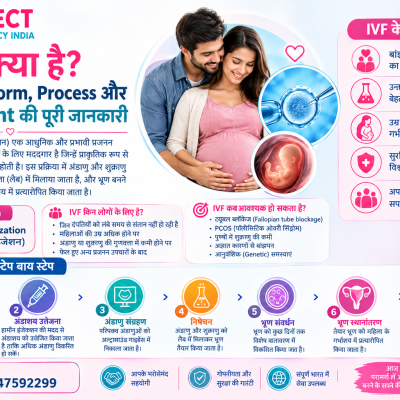
What is IVF? How Does It Work?
IVF helps people have babies. It is, for couples or individuals who can’t get pregnant naturally.
IVF is when an egg meets sperm outside the body in a lab. Then the embryo is put into the uterus to get pregnant.
The IVF process has steps. First the woman takes medicine to help her ovaries make eggs. This helps make it more likely to work.
The eggs are then taken out with a surgery. A sperm sample is also collected from the man or a donor.
The eggs and sperm are mixed in the lab to make fertilization happen. Sometimes special techniques are used to help. The embryos are watched for a days to see how they grow.
The best embryo is. Put into the uterus. If it works, pregnancy. Continues like any other.
IVF is an tech-heavy process. It needs people, special equipment and close watching. This is why IVF can be expensive. People should know what it involves and how much it costs.
IVF Process Step-by-Step
The IVF process is a planned medical procedure that helps couples get pregnant. It involves stages to help with fertilization and embryo growth. A fertility specialist guides couples through every step. Here is a simple explanation of how IVF works.
1. Initial Consultation and Fertility Testing
The IVF process starts with a consultation with a fertility doctor. The doctor checks the couples history and suggests tests to find out why they are having trouble getting pregnant. These tests include hormone checks, ultrasound scans, semen analysis and blood tests. The doctor uses these results to create a treatment plan.
2. Ovarian Stimulation
The woman is given medicine to help her ovaries produce eggs. Normally a woman produces one egg per cycle. The medicine helps produce eggs increasing the chances of getting pregnant. This phase lasts 8-14 days. Doctors use ultrasound scans and hormone tests to monitor the ovaries.
3. Egg Retrieval (Ovum Pick-Up)
When the eggs are mature they are collected through a procedure called egg retrieval. This is usually done under sedation. A thin needle guided by ultrasound collects the eggs from the ovaries. The procedure takes 15-30 minutes. The eggs are then sent to the lab for fertilization.
4. Sperm Collection and Fertilization
A sperm sample is collected from the man. The healthiest sperm are. Combined with the eggs for fertilization. Sometimes a technique called ICSI is used. A single sperm is injected directly into the egg to improve fertilization chances.
5. Embryo Development
After fertilization the eggs grow into embryos in a lab environment. Embryologists watch the embryos for days to ensure healthy growth. Usually embryos are grown for 3 to 5 days before being prepared for transfer into the uterus.
6. Embryo Transfer
The healthiest embryo is. Transferred into the womans uterus using a thin catheter. This procedure is simple and painless. It brings the couple closer to getting pregnant.
7. Pregnancy Test
10-14 days, after the embryo transfer a blood test is done to see if the IVF cycle was successful. If the test is positive the pregnancy will be monitored with checkups and ultrasound scans.
What Is an IVF Cycle?
Before understanding how IVF cycles you may need lets first understand what an IVF cycle is.
An IVF cycle is one round of in vitro fertilization treatment. It starts with stimulation and ends with embryo transfer into the uterus. Each cycle is. Monitored to give you the best chance of getting pregnant.
Step-by-Step Process of an IVF Cycle
An IVF cycle is not one procedure. It’s a series of steps that happen over a weeks.
Ovarian Stimulation
The process starts with injections. These injections help your ovaries make eggs, not just one egg that normally develops each month. This step is important because more eggs mean a chance of successful fertilization and a healthy embryo.
Monitoring and Tests
During stimulation doctors keep an eye on your progress with:
- Ultrasound scans
- Blood tests to check hormone levels
This helps them know the time to collect your eggs and makes sure your ovaries are responding well to the medication.
Egg Retrieval
When your eggs are mature a minor surgery is done to collect them from your ovaries. This is:
Done under sedation
- Usually takes 20–30 minutes
- Not very painful
The collected eggs are then sent to the lab for fertilization.
Fertilization in the Lab
In the lab the eggs are mixed with sperm to make them fertilize. Depending on your case doctors might use IVF or advanced techniques like Intracytoplasmic Sperm Injection. This is where a single sperm is directly injected into an egg to improve your chances.
Embryo Development
After fertilization the embryos are watched for a days (usually 3–5 days) to see how they grow and how healthy they are. Only the healthiest embryos are chosen for transfer. This makes it more likely that the embryo will implant.
Embryo Transfer
The final step is putting the chosen embryo into your uterus. This is:
Simple and quick
- Does not require anesthesia
- Usually painless
After the transfer you might be advised to rest and take medications to help the embryo implant.
Pregnancy Test
10–14 days, after embryo transfer a blood test is done to see if you’re pregnant.
If the result is positive the cycle worked. If its negative you might consider another IVF cycle.
Average Number of IVF Cycles Needed
One of the most important and often asked questions by couples considering IVF treatment is: “How many IVF cycles will it take to get pregnant?”
The answer is not simple, because fertility is highly individual. However, based on clinical data and real-world experience, most couples require around 2 to 3 IVF cycles to achieve a successful pregnancy.
This does not mean that success in the first cycle is rare, nor does it mean multiple cycles indicate failure. Instead, it reflects the biological complexity of human reproduction and the many variables involved in IVF treatment.
Typical IVF Cycle Requirements Explained in Detail
Every IVF journey is different, but broadly, patients fall into the following categories:
1. Pregnancy in the First Cycle
Some women conceive successfully in their very first IVF attempt. This is more likely when:
- The woman is under 35 years of age
- Egg quality is good
- There are no major reproductive issues
- The sperm quality is healthy
In such cases, the body responds well to stimulation, good-quality embryos are formed, and implantation occurs successfully. While this is the ideal scenario, it is not guaranteed for everyone.
2. Need for 2–3 IVF Cycles (Most Common Scenario)
For a large number of couples, success comes after 2 to 3 cycles, which is considered the average range.
This happens because:
- The first cycle often helps doctors understand how the body responds
- Medication doses and protocols can be adjusted in later cycles
- Embryo quality may improve with optimized treatment
In many cases, the first cycle is almost like a “learning cycle,” and subsequent cycles are more refined and effective.
3. Requirement of 4–6 Cycles in Complex Cases
In certain situations, more cycles may be needed—sometimes up to 4–6 attempts.
This is usually seen when:
- The woman is above 38–40 years
- Egg reserve or quality is low
- There are underlying conditions like endometriosis
- Previous IVF attempts have failed
In such cases, doctors may recommend advanced techniques like Intracytoplasmic Sperm Injection, donor eggs, or embryo freezing to improve success chances over time.
Average IVF Cost in India
The cost of IVF treatment in India varies significantly depending on multiple factors. On average, a single IVF cycle can cost between INR 1,00,000 and INR 3,50,000.
However, this is only the base cost. The total expense may increase when additional procedures, medications, and repeated cycles are required.
In many cases, the overall cost per cycle ranges from INR 1,50,000 to INR 4,00,000 when all components are included.
It is important to note that IVF success is not guaranteed in a single cycle. Many patients may require multiple cycles, which further increases the total expenditure.
The following helps you understand the cost of IVF in India:
| Types of IVF treatment in India | The cost of IVF treatment in India (INR) |
| IVF with self-egg and sperm cost in India | INR 1,50,000 |
| IVF with ICSI cost in India | INR 1,65,000-1,85,000 |
| IVF with donor egg cost in India | INR 2,06,000-3,00,000 |
| IVF with donor sperm cost in India | INR 2,10,000 |
| IVF with Laser Assisted Hatching (LAH) cost in India | INR 2,10,000-2,20,000 |
| IVF with donor embryo cost in India | INR 2,05,000-3,00,000 |
| IVF with PGD technique cost in India | INR 3,00,000 |
The following will help you to understand the IVF treatment cost in different states of India:
| States of India | Cost of IVF in different states of India (INR) |
| IVF cost in India | INR 1,50,000 to INR 1,80,000 |
| IVF cost in Raipur | INR 1,40,000 to INR 2,00,000 |
| IVF cost in Delhi | INR 1,40,000 to INR 2,30,000 |
| IVF cost in Mumbai | INR 1,00,000 to INR 3,50,000 |
| IVF cost in Punjab | INR 1,00,008 to INR 2,00,000 |
| IVF cost in Haryana | INR 1,40,000 to INR 2,00,000 |
| IVF cost in Rajasthan | INR 1,50,000 to INR 2,00,000 |
| IVF cost in Uttar Pradesh | INR 1,40,000 to INR 2,10,000 |
| IVF cost in Madhya Pradesh | INR 1,40,000 to INR 2,20,000 |
| IVF cost in Dehradun | INR 1,40,000 to INR 2,00,000 |
| IVF cost in Bihar | INR 1,30,000 to INR 2,00,000 |
| IVF cost in Jharkhand | INR 1,40,000 to INR 2,00,000 |
| IVF cost in Assam | INR 1,20,000 to INR 1,80,000 |
| IVF cost in Gujrat | INR 1,40,000 to INR 2,80,000 |
| IVF cost in Tamil Nadu | INR 1,40,000 to INR 2,30,000 |
| IVF cost in Andhra Pradesh | INR 1,40,000 to INR 2,00,000 |
| IVF cost in Himachal Pradesh | INR 1,40,000 to INR 2,20,000 |
IVF Success Rate Per Cycle

One of the important things to know about IVF treatment is that it does not always work on the first try. This is normal. Is why many couples need to try IVF multiple times to get pregnant.
IVF success depends on factors, including biology, medicine and technology. Even when everything is done right the outcome can vary from person to person.
IVF Success Rate Based on Age
Age is the factor that affects IVF success. This is because the quality and quantity of eggs decrease with age, which affects fertilization and embryo development.
Women Under 30: Higher IVF Success Rate
Women in this age group usually have the chances of success with IVF.
- Their eggs are healthier and of quality.
- Their hormonal balance is more stable.
- Their uterus is more receptive to implantation.
Because of these factors many women in this age group get pregnant within one or two IVF attempts.
Age 30–35: Good IVF Success Rate
Women in this age group still have fertility potential although it may be slightly lower than younger women.
- Egg quality is still good.
- They usually respond well to IVF medications.
- Embryo development rates are strong.
Most women in this category have a chance of success with IVF within 1–3 cycles.
Age 35–40: Moderate IVF Success Rate
Fertility starts to decrease noticeably in this age group.
- Egg quality starts to decrease.
- There is a chance of chromosomal abnormalities.
- Implantation rates are slightly lower.
As a result women in this age group may need IVF cycles. Doctors may recommend support or advanced techniques to improve success.
Above 40: Lower IVF Success Rate
After 40 IVF success rates decrease significantly.
- Egg quality decreases sharply.
- Fewer eggs are retrieved.
- There is a risk of failed fertilization or implantation.
In cases patients may need more IVF cycles or alternative options, like donor eggs to increase the chances of pregnancy.
Why Success Is Not Guaranteed in One Cycle
Even under ideal conditions, IVF involves several complex biological steps. For a cycle to be successful, every step must work perfectly, which is why success cannot be guaranteed in a single attempt.
This is why repeating the process increases the overall probability of success over time.
Why Multiple IVF Cycles Are Often Needed
There are several medical and biological reasons why IVF may not succeed in the first attempt. Understanding these helps reduce confusion and unrealistic expectations.
1. Poor Egg Quality
Egg quality plays a critical role in IVF success.
- Not all eggs retrieved are mature or healthy
- Poor-quality eggs may fail to fertilize
- Even if fertilized, they may not develop into strong embryos
Egg quality is strongly influenced by age, lifestyle, and underlying medical conditions.
2. Fertilization Failure
Sometimes, even after retrieving healthy eggs and sperm, fertilization does not occur successfully.
- Sperm may not penetrate the egg naturally
- Genetic issues can affect fertilization
- Lab conditions and biological compatibility also play a role
In such cases, advanced techniques like Intracytoplasmic Sperm Injection (ICSI) are often used in future cycles to improve fertilization rates.
3. Embryo Not Implanting
Implantation is one of the most critical and unpredictable steps.
- A good-quality embryo may still fail to attach to the uterine lining
- The uterus may not be receptive at that time
- Hormonal or immune factors can interfere
Even with perfect embryos, implantation failure can occur, making multiple cycles necessary.
4. Hormonal Imbalance
Hormones control the entire IVF process—from egg development to implantation.
- Improper hormone levels can affect egg growth
- They may disrupt embryo transfer timing
- They can reduce the chances of successful implantation
Doctors often adjust medications in subsequent cycles to correct these imbalances.
5. Uterine Issues
The condition of the uterus is just as important as embryo quality.
Common issues include:
- Fibroids
- Polyps
- Thin endometrial lining
These can prevent implantation even if the embryo is healthy. Treating these issues may improve success in future cycles.
How Each IVF Cycle Improves Future Chances
One of the most important advantages of repeating IVF cycles is that each attempt provides valuable medical insights.
Doctors learn:
- How your body responds to stimulation
- Which medications work best
- The quality of eggs and embryos
- Any hidden issues affecting implantation
This allows them to:
- Adjust drug dosages
- Modify treatment protocols
- Use advanced techniques when needed
As a result, each new cycle is often more optimized than the previous one, increasing the chances of success.
IVF Success Rate in India
The following table helps you to understand the success rate of IVF in India:
| IVF treatment in India | Success rates of IVF in India |
| IVF with self-eggs | 60 to 90% |
| IVF with self-sperm | 65 to 86% |
| IVF with donor eggs | 70 to 85% |
| IVF with donor sperm | 73 to 87% |
| IVF with FET | 60 to 65% |
| IVF with ICSI | 50 to 85% |
The following table lets you understand the success rates based on age:
| The success rate of IVF based on age | The success rate of IVF in India |
| women with age between 20 to 25 years | Up to 98% |
| women with age between 25 to 35 years | Up to 95% |
| women with age between 35 to 40 years | Up to 73% |
| women with age between 40 to 45 years | 40 to 70% |
| women with age between 45 to 50 years | 35 to 60% |
Why Select IVF India is a Trusted Choice?

1. Ethical & Legal Compliance
We strictly follow all guidelines and regulations related to IVF treatment in India. Adhering to legal and ethical standards is a top priority, ensuring that every step of the process is safe, transparent, and compliant with medical norms.
- Proper documentation at every stage
- Clear consent and legal transparency
- Patient rights and confidentiality maintained
- No unethical practices or hidden procedures
We continuously stay updated with the latest IVF regulations to ensure that all treatments are conducted in a legally secure and ethically responsible manner.
2. High Success Rates
We collaborate with some of the most advanced IVF centres and experienced embryologists in Lucknow. Our approach is focused on personalized treatment, which significantly improves success rates.With a success rate of over 70% in many cases, we carefully evaluate each patient’s medical condition, age, and fertility factors before designing a treatment plan. The use of advanced technology, high-quality lab facilities, and expert supervision contributes to better outcomes.
3. End-to-End Support and Care
From your first consultation to a successful pregnancy, we provide complete support throughout your IVF journey. Our team ensures that every aspect of the treatment is handled smoothly and professionally.
- Medical consultation and treatment planning
- Coordination with IVF specialists
- Diagnostic tests and procedures
- Continuous monitoring during cycles
- Support until pregnancy confirmation and beyond
We aim to make the entire process stress-free and well-managed for intended parents.
4. Transparency & Trust
We believe in complete honesty and clarity when it comes to IVF treatment. There are no hidden charges, and all costs are explained in detail before starting the procedure.Patients are kept informed at every stage, ensuring they understand the progress, procedures, and expected outcomes. Our transparent approach helps build trust and long-term confidence.
5. Personalised Care
Every individual or couple has a unique fertility journey. We create customized IVF treatment plans based on medical history, emotional needs, and financial considerations.
Our personalized approach includes:
- Tailored treatment strategies
- Emotional and psychological support
- Flexible financial planning options
- Focus on patient comfort and well-being
Conclusion
The number of IVF cycles needed varies for every individual. While some couples achieve success in the first attempt, others may require multiple cycles due to various medical and biological factors. On average, 2 to 3 cycles are commonly needed, but this is not a fixed rule.
Understanding the factors that influence IVF success can help you plan better and improve your chances of conceiving sooner. Early treatment, proper diagnosis, a healthy lifestyle, and choosing the right clinic can significantly reduce the number of cycles required.
IVF is a journey that requires patience, emotional strength, and financial planning. With the right approach, many couples can achieve their dream of parenthood successfully.
Frequently Asked Questions (FAQs)
IVF (In Vitro Fertilization) is a fertility treatment where an egg and sperm are combined outside the body in a laboratory to create an embryo. This embryo is then placed into the uterus to help achieve pregnancy. It is commonly used when natural conception is difficult or not possible.
IVF works in several stages. First, the woman takes hormonal injections to produce multiple eggs. These eggs are then retrieved through a minor procedure. At the same time, sperm is collected. The eggs and sperm are combined in a lab for fertilization. Once embryos are formed, the healthiest one is transferred into the uterus. If implantation occurs, pregnancy begins.
IVF is generally not very painful. Some discomfort may occur during injections and egg retrieval, but the procedure is usually done under anesthesia, so pain is minimal. Mild cramps or bloating can happen, but they are temporary.
A complete IVF cycle usually takes about 3 to 4 weeks. This includes ovarian stimulation, egg retrieval, fertilization, and embryo transfer. In some cases, the process may take longer depending on individual conditions.
IVF success rates vary depending on factors like age, health, and fertility condition. Younger women generally have higher success rates, while older women may have lower chances. Success is not guaranteed in one cycle and may require multiple attempts.
IVF is recommended for couples facing infertility issues such as blocked fallopian tubes, low sperm count, hormonal problems, or unexplained infertility. It is also used for individuals who want to preserve fertility or use donor eggs or sperm.
Yes, IVF is generally safe when performed by experienced doctors. Most IVF pregnancies progress normally. However, like any medical procedure, there are some risks, which should be discussed with a doctor before starting treatment.
No, IVF does not guarantee pregnancy. While it increases the chances of conception, success depends on multiple factors such as age, embryo quality, and overall health. Some couples may need more than one cycle.
After embryo transfer, the patient is advised to rest and take prescribed medications. A pregnancy test is usually done after about 10–14 days to check if implantation has been successful.
Read Also:
- Cheapest IVF Clinics in India
- Surrogacy Success Stories
- IVF for International Patients
- BMI Calculator for IVF
- Who is Eligible for Surrogacy in India?

Medically Reviewed By: Select Surrogacy India Medical Team (Fertility Experts & IVF Specialists)
Our content is reviewed by experienced fertility specialists and IVF professionals associated with Select Surrogacy India, ensuring accurate, up-to-date, and reliable information for intended parents.
✔ IVF Treatment Guidance✔ Surrogacy Consultation✔ Egg Donation Support
👉 Content reviewed for accuracy and latest IVF & surrogacy laws in India