isha ambani ivf pregnancy
In recent years, conversations about fertility and assisted reproductive technology (ART) have gained more visibility, thanks to public figures who openly discuss their experiences. One of the most notable cases is that of Isha Ambani Piramal, the daughter of business magnate Mukesh Ambani and philanthropist Nita Ambani, who shared her experience of conceiving her twins via in-vitro fertilization (IVF).
Isha Ambani’s candid discussion of her IVF journey was groundbreaking for several reasons. Firstly, she is part of one of India’s most high-profile families, and her transparency helps destigmatize IVF in a society where reproductive challenges are often considered private. Secondly, her openness serves as an inspiration for women and couples struggling with infertility, showing that ART can be a safe and empowering path to parenthood.
This article explores her IVF journey, the medical and emotional aspects of IVF, the historical context of her family, the social implications of her openness, and practical lessons for anyone considering IVF.
Who is Isha Ambani?
Isha Ambani Piramal is the elder daughter of Mukesh and Nita Ambani. She completed her education at Stanford University, specializing in economics and psychology, and has taken an active role in the family business, including ventures within the Reliance group and philanthropy through the Reliance Foundation.
Isha married Anand Piramal in December 2018, uniting two prominent business families in India. Their marriage was celebrated widely across media, and the couple quickly became one of India’s most recognized power couples. In November 2022, they welcomed twins — a daughter, Aadiya Shakti, and a son, Krishna.
What set their announcement apart from typical celebrity news was Isha’s choice to disclose that the twins were conceived through IVF. This revelation sparked widespread discussion and appreciation, particularly among those who had undergone or were considering fertility treatments.
What is IVF?
In vitro fertilisation (IVF) is a medical procedure used to help individuals or couples conceive when natural conception is difficult or impossible. IVF is the most common type of assisted reproductive technology (ART) and has helped millions worldwide achieve pregnancy.
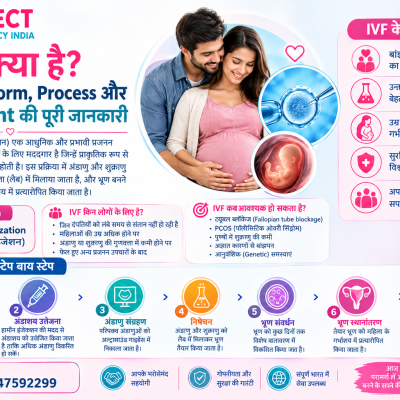
The basic steps of IVF include:
- Ovarian Stimulation: Hormonal medications are administered to stimulate multiple eggs.
- Egg Retrieval: The eggs are collected from the ovaries.
- Fertilization: The eggs are fertilized in a laboratory with sperm from the partner or donor.
- Embryo Development: The resulting embryos are cultured and monitored for quality.
- Embryo Transfer: The best-quality embryo(s) are transferred into the uterus, either of the intended mother or a surrogate in gestational surrogacy.
IVF may be indicated for various reasons, including blocked fallopian tubes, male infertility, ovulation disorders, unexplained infertility, or prior failed pregnancies. It can also allow for preimplantation genetic testing to reduce the risk of inherited disorders.
IVF Process Step-by-Step
The IVF (In Vitro Fertilization) process is a carefully planned medical procedure that helps couples overcome infertility and achieve pregnancy. It involves several stages, each designed to support successful fertilization and embryo development. Although the process may seem complex at first, fertility specialists guide couples through every step to ensure comfort and clarity. Below is a simple step-by-step explanation of how the IVF process works.
1. Initial Consultation and Fertility Testing
The IVF journey begins with a detailed consultation with a fertility specialist. During this stage, the doctor reviews the couple’s medical history and recommends fertility tests to identify possible causes of infertility. Common tests include hormone testing, ultrasound scans, semen analysis, and blood tests. These evaluations help the doctor design a personalized treatment plan for the couple.
2. Ovarian Stimulation
After the initial evaluation, the female partner is given fertility medications to stimulate the ovaries. Normally, a woman produces one egg per cycle, but during IVF treatment, medications help the ovaries produce multiple eggs. This increases the chances of successful fertilization. The stimulation phase usually lasts 8–14 days, during which doctors monitor the ovaries using ultrasound scans and hormone tests.
3. Egg Retrieval (Ovum Pick-Up)
Once the eggs mature, they are collected through a minor medical procedure called egg retrieval. This procedure is usually performed under mild sedation to ensure comfort. A thin needle guided by ultrasound is used to collect the eggs from the ovaries. The procedure typically takes 15–30 minutes, and the collected eggs are immediately sent to the laboratory for fertilization.
4. Sperm Collection and Fertilization
At the same time, a sperm sample is collected from the male partner. The healthiest sperm are selected in the laboratory and combined with the eggs for fertilization. In some cases, a technique called ICSI (Intracytoplasmic Sperm Injection) is used, where a single sperm is injected directly into the egg to improve fertilization chances.
5. Embryo Development
After fertilization, the eggs begin to develop into embryos in a specialized laboratory environment. Embryologists carefully monitor the embryos for several days to ensure healthy growth. Usually, embryos are cultured for 3 to 5 days before being prepared for transfer into the uterus.
6. Embryo Transfer
During this step, the healthiest embryo is selected and transferred into the woman’s uterus using a thin catheter. The procedure is simple, painless, and usually does not require anesthesia. This stage is one of the most exciting parts of the IVF process because it brings the couple closer to the possibility of pregnancy.
7. Pregnancy Test
About 10–14 days after the embryo transfer, a blood test is performed to determine whether the IVF cycle was successful. If the test result is positive, the pregnancy will continue to be monitored with regular checkups and ultrasound scans.
Isha Ambani’s IVF Journey
Isha Ambani, a prominent public figure, has openly discussed her experience with IVF (In Vitro Fertilization), sharing her story to normalize conversations around assisted reproductive technologies. She revealed that she conceived her twins through IVF, emphasizing that couples should never feel ashamed or isolated for seeking medical help to conceive. By speaking publicly, Isha aimed to remove the stigma surrounding infertility treatments and encourage others to consider IVF as a safe and empowering option.
She also highlighted the challenges of undergoing IVF. The process often involves hormonal treatments, frequent monitoring, and medical procedures that can be physically demanding. The emotional stress of waiting for results and coping with uncertainty is another major aspect of the journey. Isha candidly acknowledged these difficulties, helping the public understand that while IVF is effective, it is not a simple or effortless path.
Her openness serves as an important reminder that assisted reproductive technologies, including IVF, are legitimate, medically-supported ways to build a family. By sharing her personal experience, she has inspired awareness, empathy, and acceptance for couples navigating infertility, encouraging them to explore IVF without fear or stigma.
Isha Ambani’s IVF Journey: Breaking the Silence on Fertility Treatments
Isha Ambani’s openness about her IVF experience has a unique intergenerational dimension. Her mother, Nita Ambani, also conceived Isha and her twin brother, Akash Ambani, through IVF after facing challenges with natural conception. This multi-generational connection highlights how assisted reproductive technology (ART) can profoundly impact family planning across generations.
Key points include:
Medical Technology as a Family Tool: IVF has enabled two generations of the Ambani family to achieve parenthood, demonstrating the transformative role of modern fertility treatments.
Normalizing Assisted Reproductive Technology: By sharing her IVF journey, Isha continues a legacy of transparency initiated by her mother, helping to normalize discussions about fertility treatments in Indian society.
Emotional Resonance: The family’s experiences underscore persistence and hope, offering encouragement to individuals and couples who might feel discouraged by infertility.
IVF Across Generations: The Ambani Family’s Experience with Assisted Reproduction
IVF is not merely a medical procedure; it is an emotionally and physically demanding journey. Some common challenges include:
- Hormonal Side Effects: Fertility medications can cause fatigue, mood swings, bloating, and other physical discomforts.
- Repeated Clinic Visits: Frequent monitoring and check-ups require significant time, travel, and adjustment.
- Waiting Periods: The two-week wait between embryo transfer and pregnancy confirmation is often a period of high anxiety.
- Uncertainty: IVF success is never guaranteed, which can lead to emotional stress and psychological strain.
Isha’s candid acknowledgment of her exhaustion and the emotional weight of the process brings visibility to these challenges, making her story relatable to many couples undergoing similar journeys.
Social and Cultural Impact of Isha Ambani’s IVF Disclosure in India
Isha Ambani’s decision to speak publicly about her IVF experience carries significant social and cultural importance in India:
Reducing Stigma: Fertility challenges are often stigmatized, particularly for women. By openly discussing her IVF journey, Isha helps reduce shame and societal judgment associated with assisted reproductive technologies.
Encouraging Open Conversations: Her transparency inspires couples to discuss fertility struggles without fear of backlash, fostering supportive communities and reducing isolation.
Promoting Informed Decisions: Sharing her experience educates the public about IVF procedures, emotional realities, and medical options, enabling others to make informed choices about reproductive health.
Highlighting the Importance of Support Systems: Isha emphasized the role of her husband and family during her IVF journey. Emotional support, open communication, and shared responsibility are vital for navigating the physical and psychological challenges of fertility treatments.
IVF: Broader Implications and Raising Awareness
In Vitro Fertilization (IVF) is a medical technology that has transformed the way people approach fertility challenges. Globally, millions of IVF cycles are performed each year, helping individuals and couples who face difficulties conceiving naturally. While IVF is widely practiced, there remains a social stigma and a range of misconceptions about it. For many, infertility is considered a private issue, and people often hesitate to talk about it openly.
High-profile disclosures, such as Isha Ambani openly sharing her IVF journey, are important because they normalize conversations about fertility treatments. By speaking publicly, Isha reduces the shame and secrecy often associated with IVF, encourages informed decision-making, and inspires others who may feel isolated or discouraged by infertility.
IVF is more than a medical procedure—it is an emotional journey that requires patience, support, and courage. Understanding both the medical process and its broader social implications helps people approach IVF with realistic expectations and confidence.
Common Misconceptions About IVF
Despite its widespread use, IVF is often misunderstood. Let’s examine some of the most common myths:
- IVF is “unnatural”
Some people believe IVF goes against nature. In reality, IVF is a medical procedure that assists natural biological processes. It works by creating optimal conditions for fertilization outside the body, and once the embryo is implanted, the pregnancy proceeds naturally. IVF simply supports the body in cases where conception is otherwise difficult.
- IVF is easy
Many assume IVF is a quick, simple solution. In truth, IVF involves multiple medical steps, hormonal treatments, emotional stress, and close monitoring. Success is never guaranteed, and patients often need more than one cycle to achieve pregnancy.
- IVF should remain private or hidden
Societal pressure often discourages couples from discussing infertility. Isha Ambani’s openness shows that sharing experiences can be empowering. Talking about IVF helps reduce stigma, fosters supportive communities, and encourages others to explore fertility treatments without shame.
Understanding the IVF Medical Process
For anyone considering IVF, understanding the process in detail is crucial. IVF is a precise, multi-step procedure involving both medical and emotional care:
- Ovarian Stimulation
Hormonal injections are administered to stimulate the ovaries to produce multiple eggs instead of the usual single egg. This increases the chances of successful fertilization. Monitoring is done through blood tests and ultrasound scans to track follicle growth.
- Egg RetrievalOnce the eggs are mature, they are collected
through a minor surgical procedure called transvaginal aspiration, performed under anesthesia. This step requires precision to ensure the eggs are healthy for fertilization.
- Fertilization in the Laboratory
The retrieved eggs are combined with sperm—either from the intended father or a donor—in a controlled laboratory environment. The fertilized eggs, now embryos, are carefully monitored for quality and growth.
- Embryo Culture
Embryos are grown in specialized incubators for several days to ensure they develop correctly. Embryologists select the healthiest embryos for transfer, sometimes performing additional procedures like genetic testing if required.
- Embryo Transfer
The selected embryo(s) are implanted into the uterus of the intended mother or surrogate. This step is relatively simple but critical for successful implantation and pregnancy.
- Pregnancy Confirmation
After about two weeks, blood tests or ultrasounds confirm whether the embryo has successfully implanted, marking the start of pregnancy. Ongoing monitoring continues to ensure both mother and baby are healthy.
Average IVF Cost in India
The cost of IVF treatment in India varies significantly depending on multiple factors. On average, a single IVF cycle can cost between INR 90,000 and INR 2,50,000.
However, this is only the base cost. The total expense may increase when additional procedures, medications, and repeated cycles are required.
In many cases, the overall cost per cycle ranges from INR 1,50,000 to INR 4,00,000 when all components are included.
It is important to note that IVF success is not guaranteed in a single cycle. Many patients may require multiple cycles, which further increases the total expenditure.
The following helps you understand the cost of IVF in India:
| Types of IVF treatment in India | The cost of IVF treatment in India (INR) |
| IVF with self-egg and sperm cost in India | INR 1,50,000 |
| IVF with ICSI cost in India | INR 1,65,000-1,85,000 |
| IVF with donor egg cost in India | INR 2,06,000-3,00,000 |
| IVF with donor sperm cost in India | INR 2,10,000 |
| IVF with Laser Assisted Hatching (LAH) cost in India | INR 2,10,000-2,20,000 |
| IVF with donor embryo cost in India | INR 2,05,000-3,00,000 |
| IVF with PGD technique cost in India | INR 3,00,000 |
The following will help you to understand the IVF treatment cost in different states of India:
| States of India | Cost of IVF in different states of India (INR) |
| IVF cost in India | INR 1,50,000 to INR 1,80,000 |
| IVF cost in Raipur | INR 1,40,000 to INR 2,00,000 |
| IVF cost in Delhi | INR 1,40,000 to INR 2,30,000 |
| IVF cost in Mumbai | INR 1,50,000 to INR 2,40,000 |
| IVF cost in Punjab | INR 1,00,008 to INR 2,00,000 |
| IVF cost in Haryana | INR 1,40,000 to INR 2,00,000 |
| IVF cost in Rajasthan | INR 1,50,000 to INR 2,00,000 |
| IVF cost in Uttar Pradesh | INR 1,40,000 to INR 2,10,000 |
| IVF cost in Madhya Pradesh | INR 1,40,000 to INR 2,20,000 |
| IVF cost in Dehradun | INR 1,40,000 to INR 2,00,000 |
| IVF cost in Bihar | INR 1,30,000 to INR 2,00,000 |
| IVF cost in Jharkhand | INR 1,40,000 to INR 2,00,000 |
| IVF cost in Assam | INR 1,20,000 to INR 1,80,000 |
| IVF cost in Gujrat | INR 1,40,000 to INR 2,80,000 |
| IVF cost in Tamil Nadu | INR 1,40,000 to INR 2,30,000 |
| IVF cost in Andhra Pradesh | INR 1,40,000 to INR 2,00,000 |
| IVF cost in Himachal Pradesh | INR 1,40,000 to INR 2,20,000 |
IVF Success Rate in India
The following table helps you to understand the success rate of IVF in India:
| IVF treatment in India | Success rates of IVF in India |
| IVF with self-eggs | 60 to 90% |
| IVF with self-sperm | 65 to 86% |
| IVF with donor eggs | 70 to 85% |
| IVF with donor sperm | 73 to 87% |
| IVF with FET | 60 to 65% |
| IVF with ICSI | 50 to 85% |
The following table lets you understand the success rates based on age:
| The success rate of IVF based on age | The success rate of IVF in India |
| women with age between 20 to 25 years | Up to 98% |
| women with age between 25 to 35 years | Up to 95% |
| women with age between 35 to 40 years | Up to 73% |
| women with age between 40 to 45 years | 40 to 70% |
| women with age between 45 to 50 years | 35 to 60% |
Why Select Surrogacy India is a Trusted Choice?
1. Ethical & Legal Compliance
We strictly follow all guidelines and regulations related to IVF treatment in India. Adhering to legal and ethical standards is a top priority, ensuring that every step of the process is safe, transparent, and compliant with medical norms.
- Proper documentation at every stage
- Clear consent and legal transparency
- Patient rights and confidentiality maintained
- No unethical practices or hidden procedures
We continuously stay updated with the latest IVF regulations to ensure that all treatments are conducted in a legally secure and ethically responsible manner.
2. High Success Rates
We collaborate with some of the most advanced IVF centres and experienced embryologists in Lucknow. Our approach is focused on personalized treatment, which significantly improves success rates.With a success rate of over 70% in many cases, we carefully evaluate each patient’s medical condition, age, and fertility factors before designing a treatment plan. The use of advanced technology, high-quality lab facilities, and expert supervision contributes to better outcomes.
3. End-to-End Support and Care
From your first consultation to a successful pregnancy, we provide complete support throughout your IVF journey. Our team ensures that every aspect of the treatment is handled smoothly and professionally.
- Medical consultation and treatment planning
- Coordination with IVF specialists
- Diagnostic tests and procedures
- Continuous monitoring during cycles
- Support until pregnancy confirmation and beyond
We aim to make the entire process stress-free and well-managed for intended parents.
4. Transparency & Trust
We believe in complete honesty and clarity when it comes to IVF treatment. There are no hidden charges, and all costs are explained in detail before starting the procedure.Patients are kept informed at every stage, ensuring they understand the progress, procedures, and expected outcomes. Our transparent approach helps build trust and long-term confidence.
5. Personalised Care
Every individual or couple has a unique fertility journey. We create customized IVF treatment plans based on medical history, emotional needs, and financial considerations.
Our personalized approach includes:
- Tailored treatment strategies
- Emotional and psychological support
- Flexible financial planning options
- Focus on patient comfort and well-being
Conclusion
Isha Ambani’s IVF journey is significant not just for her personal story, but for its broader impact on society. By speaking openly about her twins’ conception through IVF, she has helped:
- Reduce stigma surrounding fertility treatments
- Promote informed conversations about assisted reproductive technologies
- Inspire emotional resilience among individuals undergoing IVF
- Demonstrate the importance of supportive networks in reproductive health
Her candidness provides a roadmap for normalizing discussions around IVF in India and worldwide. Her story reminds us that fertility struggles are common, that ART is a valid and empowering solution, and that sharing experiences can transform societal perceptions.
By embracing IVF publicly, Isha Ambani continues her family’s legacy of using medical technology with courage and openness. Her message is clear: seeking help through IVF is nothing to hide, and with proper support and awareness, it can be a hopeful path to parenthood.
FAQs
In-vitro fertilization (IVF) is a medical procedure where eggs are fertilized outside the body and transferred to the uterus to achieve pregnancy.
Isha Ambani used IVF to conceive her twins after medical consultation indicated it was the most effective way to achieve pregnancy.
Yes, IVF is widely used in India, with advanced fertility clinics offering assisted reproductive technology for couples experiencing infertility challenges.
Yes, hormonal treatments, frequent monitoring, and medical procedures during IVF can lead to fatigue, mood swings, and other physical side effects.
IVF involves emotional stress due to uncertainty, waiting periods, and possible failed attempts, making emotional support critical for couples and individuals.
Yes, IVF often involves transferring more than one embryo, which can result in twins or multiples depending on clinical decisions and patient preferences.
She wanted to normalize IVF, reduce stigma, and encourage open discussions about reproductive technology, empowering others facing fertility challenges.
Yes, emotional, social, and partner support is vital to navigate the physical and mental challenges of IVF successfully.
Read Also:
- Egg Donor Cost in Mumbai 2026 – IVF Egg Donation Price Guide
- Surrogacy Cost in Bangalore (2026) – Complete Price Breakdown & Legal Guide
- Best Surrogacy Centre in Bangalore 2026 Guide for Intended Parents
- Surrogacy Cost in Uttar Pradesh 2026 – Complete Breakdown
- Surrogacy Cost in Guwahati (2026) – Complete Price Breakdown & Affordable Options

Medically Reviewed By: Select Surrogacy India Medical Team (Fertility Experts & IVF Specialists)
Our content is reviewed by experienced fertility specialists and IVF professionals associated with Select Surrogacy India, ensuring accurate, up-to-date, and reliable information for intended parents.
✔ IVF Treatment Guidance✔ Surrogacy Consultation✔ Egg Donation Support
👉 Content reviewed for accuracy and latest IVF & surrogacy laws in India