IVF cost in Pakistan
Becoming a parent is one of the most beautiful dreams many couples share. However, for some people, the journey toward parenthood may not always be simple. Medical conditions, lifestyle factors, or unexplained infertility can sometimes make natural conception difficult. Fortunately, modern fertility treatments such as In Vitro Fertilization (IVF) have given hope to millions of couples around the world.
Pakistan has gradually become an important destination for fertility treatments because of its skilled fertility specialists, modern IVF clinics, and relatively affordable treatment options compared to many Western countries. If you are considering IVF treatment, understanding the IVF cost in Pakistan is one of the first and most important steps.
In this detailed guide, we will explore everything you need to know about IVF costs in Pakistan, including treatment steps, cost breakdown, factors affecting price, city-wise costs, success rates, and tips to choose the best IVF clinic. This guide is designed to help couples make informed and confident decisions on their fertility journey.
IVF Cost in Pakistan – Quick Overview
The table below provides a quick overview of IVF cost in Pakistan for better understanding.
| IVF Treatment Type | Cost (PKR) |
|---|---|
| Basic IVF Cycle | 650,000 – 1,000,000 |
| IVF with ICSI | 200,000 – 300,000 |
| IVF with Donor Egg | 225,000 – 275,000 |
| IVF with Donor Sperm | 200,000 – 250,000 |
| Frozen Embryo Transfer (FET) | 250,000 |
| Embryo Freezing (6 months) | 25,000 |
| Sperm Freezing (6 months) | 25,000 |
| PGD / Genetic Testing | 200,000 – 300,000 |
| IUI Cost | 25,000 |
| IVF Success Rate | 40% – 60% |
| Top IVF Cities | Karachi, Lahore, Islamabad |
Note: IVF cost in Pakistan may vary depending on the clinic, patient condition, medications, and additional procedures required.
What is IVF Treatment?

Before discussing the IVF cost in Pakistan, it is important to understand what IVF actually is and how the process works.
IVF stands for In Vitro Fertilization, a medical procedure in which an egg from the female partner and sperm from the male partner are fertilized outside the body in a specialized laboratory. Once fertilization occurs and embryos develop, one or more embryos are transferred into the woman’s uterus to achieve pregnancy.
IVF is usually recommended for couples who experience infertility due to conditions such as:
- Blocked or damaged fallopian tubes
- Male infertility issues
- Ovulation disorders
- Endometriosis
- Unexplained infertility
- Advanced maternal age
- Previous unsuccessful fertility treatments
With advancements in reproductive technology, IVF has become one of the most effective fertility treatments available today.
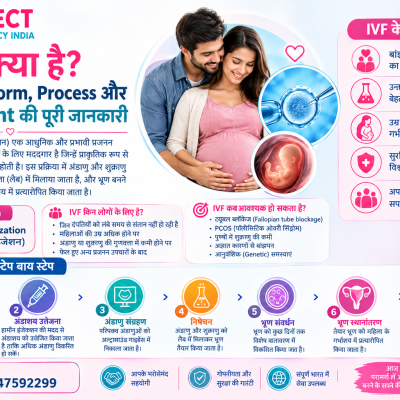
IVF Process Step-by-Step in Pakistan

The IVF (In Vitro Fertilization) process is a carefully planned medical procedure that helps couples overcome infertility and achieve pregnancy. It involves several stages, each designed to support successful fertilization and embryo development. Although the process may seem complex at first, fertility specialists guide couples through every step to ensure comfort and clarity. Below is a simple step-by-step explanation of how the IVF process works.
1. Initial Consultation and Fertility Testing
The IVF journey begins with a detailed consultation with a fertility specialist. During this stage, the doctor reviews the couple’s medical history and recommends fertility tests to identify possible causes of infertility. Common tests include hormone testing, ultrasound scans, semen analysis, and blood tests. These evaluations help the doctor design a personalized treatment plan for the couple.
2. Ovarian Stimulation
After the initial evaluation, the female partner is given fertility medications to stimulate the ovaries. Normally, a woman produces one egg per cycle, but during IVF treatment, medications help the ovaries produce multiple eggs. This increases the chances of successful fertilization. The stimulation phase usually lasts 8–14 days, during which doctors monitor the ovaries using ultrasound scans and hormone tests.
3. Egg Retrieval (Ovum Pick-Up)
Once the eggs mature, they are collected through a minor medical procedure called egg retrieval. This procedure is usually performed under mild sedation to ensure comfort. A thin needle guided by ultrasound is used to collect the eggs from the ovaries. The procedure typically takes 15–30 minutes, and the collected eggs are immediately sent to the laboratory for fertilization.
4. Sperm Collection and Fertilization
At the same time, a sperm sample is collected from the male partner. The healthiest sperm are selected in the laboratory and combined with the eggs for fertilization. In some cases, a technique called ICSI (Intracytoplasmic Sperm Injection) is used, where a single sperm is injected directly into the egg to improve fertilization chances.
5. Embryo Development
After fertilization, the eggs begin to develop into embryos in a specialized laboratory environment. Embryologists carefully monitor the embryos for several days to ensure healthy growth. Usually, embryos are cultured for 3 to 5 days before being prepared for transfer into the uterus.
6. Embryo Transfer
During this step, the healthiest embryo is selected and transferred into the woman’s uterus using a thin catheter. The procedure is simple, painless, and usually does not require anesthesia. This stage is one of the most exciting parts of the IVF process because it brings the couple closer to the possibility of pregnancy.
7. Pregnancy Test
About 10–14 days after the embryo transfer, a blood test is performed to determine whether the IVF cycle was successful. If the test result is positive, the pregnancy will continue to be monitored with regular checkups and ultrasound scans.
IVF Cost in Pakistan

IVF (In Vitro Fertilization) has become a hopeful solution for many couples in Pakistan who are struggling with infertility. With modern fertility clinics, skilled specialists, and improving medical technology, Pakistan now offers IVF treatment at a much lower cost compared to many other countries. However, the IVF cost in Pakistan can vary depending on the clinic, treatment plan, medications, and additional procedures required.
Understanding the total cost of IVF helps couples plan financially and emotionally before starting their fertility journey.
| IVF Treatments in Pakistan | Cost of IVF in Pakistan in PKR |
| IVF with donor egg cost in Pakistan | Up to RS 2,75,000 |
| IVF with sperm donor cost in Pakistan | RS 2,25,000 |
| ICSI treatment cost in Pakistan | RS 2,00,000 |
| Frozen embryo transfer (FET) cost in Pakistan | RS 2,50,000 |
| TESA cost in Pakistan | RS 40,000 |
| MESA cost in Pakistan | RS 70,000 |
| PESA cost in Pakistan | RS 50,000 |
| Micro TESA cost in Pakistan | RS 2,00,000 |
| Embryo Freezing Cost in Pakistan | RS 25,000 (for six months) |
| Sperm Freezing Cost in Pakistan | RS 25,000 (for six months) |
| Embryo Donation Cost in Pakistan | RS 2,50,000 |
| Assisted Hatching Cost in Pakistan | RS 1,50,000 |
| PGD Cost in Pakistan | RS 2,00,000-3,00,000 |
| IUI Cost in Pakistan | RS 25,000 |
IVF Cost in Different Cities of Pakistan
The cost of IVF also depends on the city where the treatment is performed. Large metropolitan cities usually have higher prices due to advanced facilities and experienced specialists.
| City | Average IVF Cost (PKR) |
| IVF Cost in Karachi | 400,000 – 650,000 |
| IVF Cost in Lahore | 450,000 – 600,000 |
| IVF Cost in Islamabad | 400,000 – 630,000 |
| IVF Cost in Peshawar | 410,000 – 650,000 |
| IVF Cost in Multan | 493,000 – 600,000 |
| IVF Cost in Faisalabad | 431,000 – 620,000 |
Why Many Couples Choose Pakistan for IVF Treatment

Over the past few years, Pakistan has seen significant improvements in fertility treatment facilities. Many couples from neighboring countries also travel to Pakistan for IVF procedures because of several advantages.
Affordable Treatment
Compared to countries like the USA, UK, or Australia, IVF treatment in Pakistan is significantly more affordable.
Experienced Fertility Specialists
Many fertility doctors in Pakistan are internationally trained and have years of experience in reproductive medicine.
Advanced IVF Technology
Leading fertility clinics in Pakistan use modern technologies such as:
- ICSI (Intracytoplasmic Sperm Injection)
- Blastocyst culture
- Genetic embryo testing
- Cryopreservation
High Success Rates
Some reputed IVF centres in Pakistan report success rates between 50% and 65%, depending on the patient’s age and medical condition.
Factors Affecting IVF Cost in Pakistan
The IVF cost in Pakistan can vary widely from one clinic to another because every couple’s fertility journey is different. Several medical, technical, and personal factors influence the final price of treatment. Understanding these factors can help couples plan their budget better and choose the right fertility clinic for their needs.
1. Clinic Reputation and Infrastructure
One of the most important factors affecting IVF cost is the reputation of the fertility clinic. Well-known clinics with modern laboratories, advanced equipment, and internationally trained fertility specialists usually charge higher fees. These clinics often invest heavily in high-quality IVF labs, embryo monitoring systems, and strict medical protocols. Such facilities improve the chances of successful fertilization and healthy embryo development. Although the cost may be slightly higher, many couples prefer reputed clinics because they offer better medical care, experienced embryologists, and higher success rates.
2. Experience of the Fertility Doctor
The expertise of the fertility specialist also plays a major role in determining IVF costs. Highly experienced doctors who have handled complex infertility cases and achieved high success rates often charge higher consultation and procedure fees. Their knowledge and experience help them create personalized treatment plans based on the couple’s medical condition. Many couples feel more confident choosing a doctor who has years of experience in reproductive medicine, even if the cost is slightly higher.
3. Fertility Medications
Fertility medications are an essential part of the IVF process. These medications are used to stimulate the ovaries so they produce multiple eggs during a treatment cycle. The type, brand, and dosage of medicines can significantly affect the overall IVF cost. Some patients may require stronger or longer medication cycles depending on their hormone levels and ovarian response. In many cases, medication costs alone can represent a large portion of the total treatment expenses.
4. Additional Fertility Procedures
In some situations, basic IVF treatment may not be sufficient. Doctors may recommend additional fertility procedures to increase the chances of pregnancy. These procedures include ICSI (Intracytoplasmic Sperm Injection) for male infertility, donor eggs or donor sperm, embryo freezing, or genetic testing of embryos. Each of these advanced procedures requires specialized laboratory work and technology, which adds to the overall treatment cost.
5. Number of IVF Cycles Required
Not every couple achieves pregnancy in the first IVF cycle. Some couples may need two or more cycles before successful implantation occurs. Each additional cycle involves new medications, laboratory procedures, and medical monitoring. As a result, the total cost of IVF treatment can increase significantly if multiple cycles are required.
Additional Costs in IVF Treatment
Apart from the basic IVF procedure, couples should also be aware of several additional costs that may arise during the treatment process. These costs depend on individual medical needs and treatment options recommended by the fertility specialist.
One common additional cost is fertility medication, which is used during ovarian stimulation. These medications help the ovaries produce multiple eggs and improve the chances of fertilization. The price of these drugs can vary depending on the brand and dosage prescribed.
Another potential expense is embryo freezing (cryopreservation). If multiple healthy embryos are produced during IVF, couples may choose to freeze them for future use. This allows them to attempt pregnancy later without repeating the entire IVF process.
Genetic testing of embryos, also known as Preimplantation Genetic Testing (PGT), is another optional procedure. This test checks embryos for genetic abnormalities before implantation. Although it increases treatment costs, it can improve success rates and reduce the risk of genetic disorders.
In some cases, couples may also require donor eggs or donor sperm if one partner has fertility challenges. Donor programs involve additional screening, medical procedures, and compensation, which increases the overall treatment cost.
Other possible expenses include ultrasound monitoring, blood tests, consultation fees, and pregnancy monitoring after embryo transfer.
How to Choose the Best IVF Clinic in Pakistan

Choosing the right fertility clinic is one of the most important decisions for couples considering IVF treatment. A good clinic not only increases the chances of success but also provides emotional support throughout the fertility journey.
Check Success Rates
One of the first things couples should consider is the IVF success rate of the clinic. Reliable clinics are transparent about their success statistics and provide accurate information about pregnancy outcomes for different age groups.
Evaluate Doctor Experience
The experience and expertise of the fertility specialist play a major role in successful treatment. Couples should look for doctors who specialize in reproductive medicine and have years of experience performing IVF procedures.
Modern Laboratory Facilities
Advanced IVF laboratories are essential for successful embryo development. Clinics with modern equipment, strict hygiene standards, and skilled embryologists usually provide better treatment outcomes.
Patient Reviews and Testimonials
Reading patient reviews and testimonials can provide valuable insight into the clinic’s quality of care. Positive feedback from previous patients often indicates reliable services and supportive staff.
Transparent Cost Structure
A trustworthy fertility clinic should provide clear and transparent pricing for all procedures. Couples should ask for a detailed cost breakdown to understand what is included in the treatment package and what additional charges may apply.
Counselling and Patient Support
IVF can be emotionally challenging, so clinics that offer counselling and psychological support can make the process much easier for couples. Supportive medical teams help patients feel more comfortable and confident throughout the treatment journey.
Conclusion
The IVF cost in Pakistan is relatively affordable compared to many countries, making it an attractive option for couples seeking fertility treatment. On average, a single IVF cycle may cost between PKR 650,000 and PKR 1,000,000, depending on the clinic, medications, and additional procedures required.
Although IVF treatment may require emotional and financial commitment, modern reproductive technologies have helped many couples successfully achieve pregnancy. Choosing a reputable fertility clinic, understanding the treatment process, and maintaining a healthy lifestyle can significantly improve the chances of success.
With the right medical guidance and patience, IVF can turn the dream of parenthood into reality for many hopeful families.
FAQs
The average IVF cost in Pakistan ranges from PKR 650,000 to PKR 1,000,000 per cycle depending on the clinic and medications.
Major cities like Karachi, Lahore, and Islamabad have advanced fertility clinics and experienced specialists.
A typical IVF cycle usually takes 4–6 weeks from ovarian stimulation to pregnancy testing.
Yes, IVF is considered a safe and widely used fertility treatment when performed in reputable fertility clinics.
IVF success rates in Pakistan generally range between 40% and 60%, depending on age and fertility condition.
No fertility treatment can guarantee pregnancy, but IVF significantly increases the chances of conception.
Some couples conceive in the first cycle, while others may need two or three cycles.
Most IVF procedures are minimally invasive and performed under sedation, so discomfort is usually mild.
IVF in Pakistan is more affordable due to lower clinic operating costs, cheaper medications, and overall lower healthcare expenses compared to Western countries.
IVF cost in Pakistan varies by city, but Lahore and Karachi often offer competitive pricing due to the availability of multiple fertility clinics.
Read Also:
- Best Surrogacy Centre in Bangalore 2026 Guide for Intended Parents
- Surrogacy Cost in Lucknow (2026 Complete Guide)
- Surrogacy Cost in Delhi (2026) – Complete Price Breakdown, Legal Process & FAQs
- Surrogacy Cost in Chennai 2026 – Complete Price & Process Guide
- Surrogacy Cost in Uttar Pradesh 2026 – Complete Breakdown

Medically Reviewed By: Select Surrogacy India Medical Team (Fertility Experts & IVF Specialists)
Our content is reviewed by experienced fertility specialists and IVF professionals associated with Select Surrogacy India, ensuring accurate, up-to-date, and reliable information for intended parents.
✔ IVF Treatment Guidance✔ Surrogacy Consultation✔ Egg Donation Support
👉 Content reviewed for accuracy and latest IVF & surrogacy laws in India