
Having a baby feels like the simplest thing in the world… until it isn’t. For a lot of couples in Doha and across Qatar, the road to parenthood takes a few extra turns, and that’s completely okay. The good news? Qatar today is home to some genuinely brilliant fertility experts, and finding the Best IVF doctor in Qatar doesn’t have to feel scary or overwhelming anymore. This guide is written like a warm chat with a friend who has already done the homework for you. We’ll walk through why Qatar has quietly become a solid destination for fertility treatment, what actually makes a doctor “the best,” and then introduce you to ten real, practicing specialists who are currently helping families across the country grow. Grab your chai or karak, get comfy, and let’s go through this together. Why Qatar Is a Lovely Place to Start Your IVF Journey A few years ago, most people in Qatar had to travel abroad for advanced fertility care. That’s changed a lot. Hospitals and specialised centres in Doha now offer full IVF and ICSI programs, genetic screening, egg and sperm freezing, and even dedicated male-infertility clinics — all without a single flight ticket. Here’s what makes Qatar stand out today when couples search for the Best IVF doctor in Qatar: So if you’re a resident of Doha, Al Wakrah, Al Rayyan, or anywhere else in the country, you genuinely don’t need to look outside your own city anymore. What Actually Makes Someone the Best IVF Doctor in Qatar? Before we jump into names, let’s talk about how to judge a good fertility doctor, because titles and framed certificates on a wall only tell half the story. 1. Real Clinical Experience Fertility medicine is one of those fields where years genuinely count. A doctor who has managed thousands of IVF and ICSI cycles will have seen almost every twist a case can throw at them — unusual hormone patterns, repeated implantation failure, unexplained infertility, you name it. When you’re comparing your options for the Best IVF doctor in Qatar, ask how long they’ve specifically practiced reproductive medicine, not just gynaecology in general. 2. Academic Background and Fellowships Look for qualifications like FRCOG (Fellow of the Royal College of Obstetricians and Gynaecologists), subspecialty training in reproductive medicine, or academic affiliations with recognised universities. These aren’t just letters after a name — they usually mean the doctor has gone through rigorous extra training beyond a standard OB/GYN degree. 3. Communication Style This one gets underrated a lot. A doctor could be brilliant on paper, but if they can’t explain your protocol in a way that makes sense to you, the whole experience becomes stressful. The best fertility doctors slow down, answer the “silly” questions patiently, and don’t make you feel rushed. 4. Lab and Technology Access An excellent doctor is only half the equation — the embryology lab behind them matters just as much. Time-lapse imaging systems, witnessing systems to prevent mix-ups, genetic screening capability, and vitrification (fast-freezing) technology all directly affect your chances. 5. Transparency Around Success Rates and Costs Good clinics don’t hide behind vague promises. They’ll walk you through expected success rates for your specific age and diagnosis, and give you a clear cost breakdown before you commit to anything. 6. Emotional and Psychological Support Fertility treatment can be an emotional rollercoaster. The really good centres offer counselling, mental health support, and sometimes even nutrition guidance alongside the medical treatment. Keep these six points in your back pocket as we go through the list below — they’ll help you decide who might be the right fit for your specific situation. Types of Fertility Treatments Available in Qatar One more thing before we dive into the names — it helps to know what’s actually on the menu when you walk into a fertility clinic here. Not every couple needs full IVF right away; sometimes a simpler treatment does the job. A good specialist will walk you through which of these actually applies to your case instead of jumping straight to the most expensive option. Step-by-Step: What Your IVF Journey in Qatar Might Look Like Every clinic does things slightly differently, but here’s roughly how the process tends to unfold, so you know what to expect and it feels a little less mysterious. Step 1: The First Consultation This is where your doctor takes a detailed history — how long you’ve been trying, any previous pregnancies or losses, existing medical conditions, and lifestyle factors. Be as open as possible here; the more your doctor knows, the better your treatment plan will be. Step 2: Diagnostic Testing Both partners typically go through testing. For women, this usually includes hormonal blood panels, an ultrasound to check ovarian reserve, and sometimes a hysteroscopy to check the uterine cavity. For men, a semen analysis is standard, checking sperm count, motility, and morphology. Step 3: Choosing the Right Protocol Based on the results, your doctor will recommend a specific pathway — IUI, conventional IVF, ICSI, or something more specialised. This is the point where those six qualities we talked about earlier — experience, communication, transparency — really come into play. Step 4: Ovarian Stimulation If IVF is the route, you’ll typically self-administer hormone injections over roughly 10-14 days to encourage multiple eggs to mature, with regular ultrasound monitoring along the way to track progress. Step 5: Egg Retrieval A quick, minimally invasive procedure performed under sedation, where eggs are collected directly from the ovaries using a fine needle guided by ultrasound. Step 6: Fertilisation In the lab, eggs are combined with sperm (either conventionally or via ICSI), and embryologists monitor development over the following days. Step 7: Embryo Transfer One or more healthy embryos are placed into the uterus using a thin catheter — a painless procedure that usually takes just a few minutes. Step 8: The Two-Week Wait This is often described as the hardest part emotionally. Around 10-14 days after transfer, a blood test confirms whether the cycle
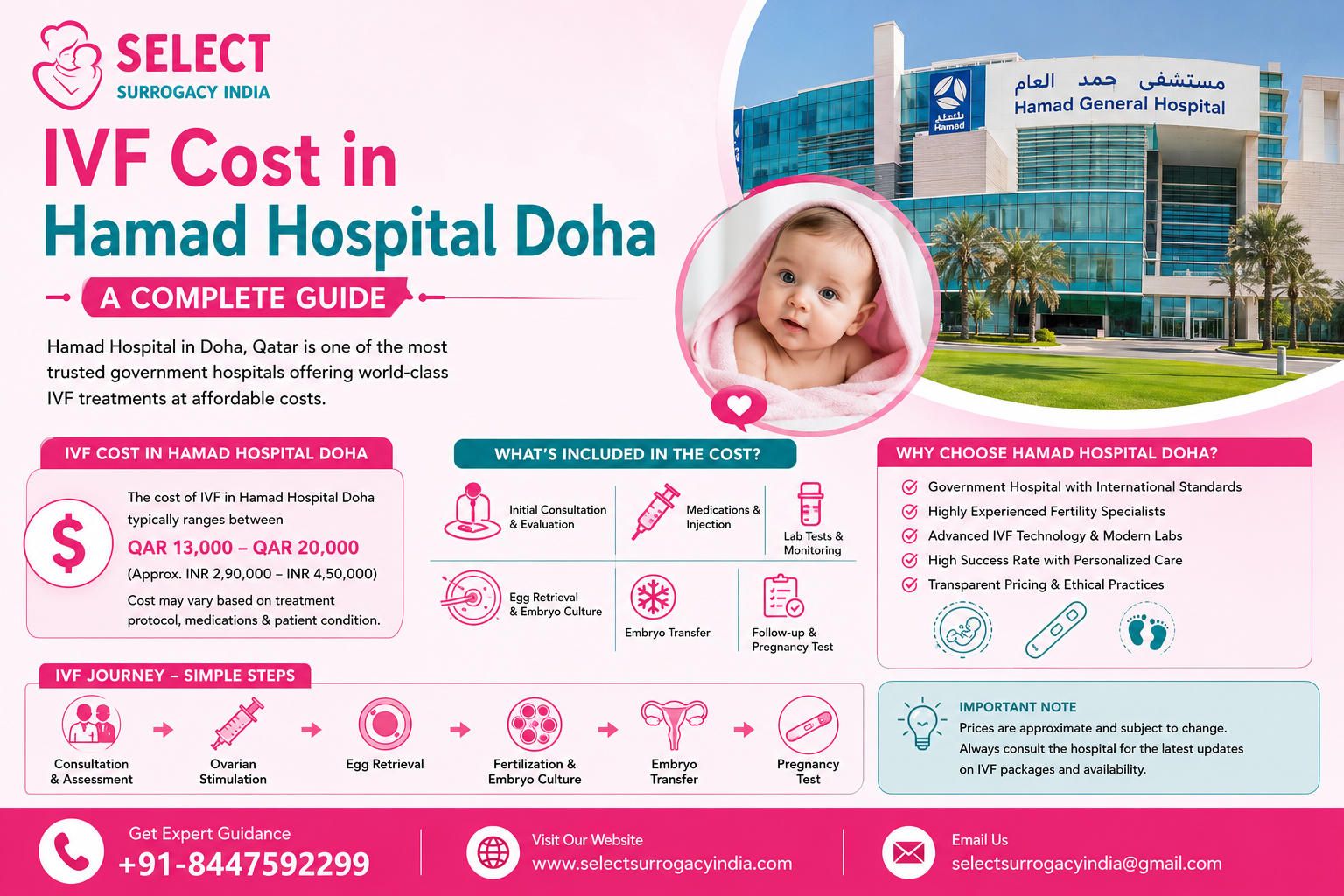
IVF Cost in Hamad Hospital Doha — A Complete Guide
When the road to parenthood gets difficult, many couples start looking seriously into IVF and other assisted reproductive treatments. For couples living in Qatar, Hamad Medical Corporation, more commonly known as Hamad Hospital or Hamad Women’s Hospital, is one of the most familiar names out there, largely because it’s the country’s largest public healthcare provider. If you’re trying to figure out what IVF Cost in Hamad Hospital Doha actually looks like, this guide is meant to clear up that confusion. We’ll walk through the cost breakdown, eligibility considerations, the treatment process, and how it compares to private clinics, so you can move forward with information you can actually rely on. What is IVF. How does it work? IVF is a way to help people have babies when they are having trouble getting pregnant. It is a process where the egg and sperm meet outside the body in a laboratory. When the egg and sperm are combined they form an embryo. The embryo is then carefully placed into the womans uterus which increases the chances of getting pregnant. Here is a simple step-by-step explanation of how IVF works: 1. Ovarian Stimulation The journey starts with stimulation. The woman gets medicine to help her ovaries produce many eggs. This is important because having many eggs increases the chances of getting pregnant. Doctors check on the woman regularly to make sure everything is going smoothly. 2. Egg Retrieval When the eggs are ready the doctor takes them out in a procedure. The woman gets some medicine to help her relax so she does not feel pain. The doctor uses a needle to gently take the eggs from the ovaries. This only takes 20-30 minutes. 3. Sperm Collection On the day the man gives a sperm sample. The sample is then prepared in the lab to find the sperm. 4. Fertilization The eggs and sperm are combined in a dish, where they meet and form an embryo. If the man has trouble getting pregnant the doctor may use a technique called ICSI. In ICSI the doctor puts a healthy sperm into the egg to help it get pregnant. 5. Embryo Culture After the eggs and sperm meet the embryos are kept in a lab for a few days. The doctors watch them closely to make sure they are healthy. The healthiest embryos are chosen to be put into the womans uterus which increases the chances of getting pregnant. 6. Embryo Transfer The doctor puts one or more embryos into the womans uterus using a thin tube. This procedure is simple. Usually does not hurt. After this the womans body takes over. Starts the pregnancy process. 7. Pregnancy Test and Follow-Up 10-14 days after the embryo is put into the uterus the woman gets a blood test to see if she is pregnant. If the test is positive the doctors help the woman with the steps, including medicine and lifestyle changes to have a healthy pregnancy. They help with In Vitro Fertilization or IVF every step of the way. In Vitro Fertilization or IVF is a part of the journey, to becoming a parent. A Quick Introduction to Hamad Hospital Hamad Medical Corporation (HMC) was established in 1979 under an Emiri Decree, and today it stands as Qatar’s largest not-for-profit healthcare provider. HMC manages multiple hospitals, emergency services, and specialized care centres, including obstetrics and gynecology services across the country. Hamad Women’s Hospital, which operates under HMC, is where fertility and IVF treatment is provided. Because it’s a public healthcare institution, treatment costs here tend to be significantly lower than what private clinics charge, and that’s exactly why many couples, particularly those who are budget-conscious, choose to start their IVF journey here rather than going private from the outset. IVF Cost in Hamad Hospital Doha — What the Numbers Actually Look Like Now let’s get into the part most people are really here for. IVF Cost in Hamad Hospital Doha varies a bit depending on the source, but the overall picture tends to look something like this: Here’s a table to give you a clearer general picture: Age Group Success Rate Under 30 years 60 – 70% 30 – 35 years 50 – 60% 36 – 40 years 30 – 45% Over 40 years 15 – 25% Age Group Success Rate These figures are general estimates drawn from various patient reports and community sources. Official, current pricing at the hospital can change over time, so confirming directly with Hamad before starting treatment is genuinely the most reliable approach. How Much Lower Is Hamad’s Cost Compared to Private Clinics? Private fertility clinics in Qatar generally start their IVF fees around QR 30,000 or higher, while Hamad’s costs remain noticeably lower. This price difference is a huge part of why so many couples, whether Qatari nationals or eligible expats, explore Hamad as their first option before considering private care. That said, along with the lower cost, there are a few practical factors worth keeping in mind, particularly waiting times, eligibility criteria, and slot availability, which we’ll get into next. Eligibility for IVF at Hamad Hospital — An Important Consideration Here’s something genuinely important to understand: eligibility for IVF treatment at Hamad Hospital has shifted over the years, and it’s a factor that shouldn’t be overlooked. In earlier years, Hamad’s IVF services were at times prioritized specifically for Qatari nationals, with services temporarily unavailable to expats. Access reportedly reopened for expats around 2015, but based on patient experiences shared over time, this policy has continued to shift back and forth, sometimes open to expats, and at other times restricted primarily to Qatari citizens. So if you’re an expat considering IVF treatment at Hamad Hospital, the very first and most important step is to contact the hospital directly and get clarity on current eligibility. Rather than relying on older articles or online forums, confirming the hospital’s current policy yourself is the far more dependable approach, since this kind of information can change at any time. What to Expect
Best IVF Centre in Qatar — A Complete Guide for 2026
There’s a particular kind of hope that comes with wanting to be a parent, and an equally particular kind of exhaustion that comes with the wait when things don’t happen the way you’d expected. If you’re reading this, chances are you or someone close to you is looking into fertility treatment, and Qatar has quietly become one of the more reliable places in the Gulf to consider for it. Doha, in particular, has built up a genuinely strong reputation for fertility care over the last decade. Between world-class hospitals, internationally trained specialists, and a healthcare system that takes reproductive medicine seriously, the country offers a level of care that many patients don’t expect until they actually start looking into it. Still, with several hospitals and clinics offering IVF across the country, the natural question is: which one is really the Best IVF Centre in Qatar? This guide is meant to make that decision a little easier — covering what IVF actually involves, the top centres worth knowing about, realistic costs, success rates, the legal framework specific to Qatar, and a few honest pointers for choosing the right place for your own situation. What Is IVF Treatment? In Vitro Fertilization, or IVF, is a medical procedure where an egg and sperm are combined outside the body, in a laboratory setting, to create an embryo. That embryo is then transferred into the uterus, where a healthy pregnancy can hopefully take hold. The broad stages usually look like this: IVF is commonly recommended for couples dealing with blocked or damaged fallopian tubes, male infertility (low sperm count or poor motility), ovulation disorders, endometriosis, or unexplained infertility that hasn’t responded to simpler treatments like IUI. Why Qatar Has Become a Serious Destination for IVF Qatar’s healthcare sector has expanded rapidly, and fertility care has genuinely kept pace with that growth. Here’s what makes the country stand out for patients considering treatment here: 1. Strong Public and Private Healthcare Systems — Qatar has both a robust public healthcare provider in Hamad Medical Corporation and a growing number of private fertility centres, giving patients real choice depending on their preferences and budget. 2. Advanced Medical Technology — ICSI, embryo freezing, and other modern reproductive technologies are widely available and regularly used across the country’s leading clinics. 3. Internationally Trained Specialists — Many fertility doctors practicing in Qatar have trained or worked abroad, bringing genuinely global expertise into the local healthcare system. 4. A Clear Legal Framework — Unlike some countries where fertility laws remain vague, Qatar has a defined regulatory structure around IVF, which gives patients more clarity and confidence going into treatment. 5. High Standards of Privacy and Discretion — Given the cultural context of the region, clinics here place real emphasis on confidentiality, something many patients genuinely appreciate during such a personal process. 6. Competitive Success Rates — Several leading centres in Qatar report success rates that are comparable to, or in line with, international benchmarks. The IVF Process, Step by Step Understanding what actually happens during treatment can take away a lot of the anxiety that comes with the unknown. Here’s how the journey typically unfolds. 1. Initial Consultation and Fertility Testing It starts with a detailed conversation with a fertility specialist, who reviews your medical history and orders relevant tests — hormone panels, ultrasounds, semen analysis, and blood work. This helps the doctor build a treatment plan that’s actually suited to your specific situation rather than a generic protocol. 2. Ovarian Stimulation The female partner is given fertility medication to encourage the ovaries to produce multiple eggs instead of the usual single egg per cycle. This phase generally lasts 8 to 14 days, with regular monitoring through ultrasounds and blood tests along the way. 3. Egg Retrieval Once the eggs mature, a minor procedure under mild sedation is used to collect them. It’s usually done using a thin needle guided by ultrasound and takes roughly 15 to 30 minutes. The eggs are then sent straight to the lab. 4. Sperm Collection and Fertilization A sperm sample is collected around the same time, and the healthiest sperm are selected for fertilization. In many cases, especially where male infertility is a factor, ICSI is used — a technique where a single sperm is injected directly into the egg to improve the odds of successful fertilization. 5. Embryo Development After fertilization, the embryos are cultured and closely monitored in the lab for 3 to 5 days, giving embryologists a chance to track healthy development before deciding which embryo to transfer. 6. Embryo Transfer The healthiest embryo is selected and placed into the uterus using a thin catheter. This step is quick, painless, and typically doesn’t require anesthesia, though it’s often the moment patients describe as the most emotionally significant part of the entire process. 7. Pregnancy Test About 10 to 14 days after the transfer, a blood test confirms whether the cycle was successful. If it’s positive, regular monitoring continues from there with follow-up scans and checkups. Important Legal Considerations for IVF in Qatar Before diving into the list of clinics, it’s worth understanding a few legal specifics that apply to fertility treatment in Qatar, since they genuinely shape what’s possible here. IVF is available to Qatari nationals and expatriate heterosexual couples, and treatment generally must use the patient’s own eggs and her husband’s sperm. Donor eggs, donor sperm, and embryo adoption are not permitted under current regulations. There’s no strict upper age limit for IVF, though most clinics don’t recommend the treatment for women past the age of 45. On the other hand, egg freezing, sperm freezing, and embryo cryopreservation are all allowed, giving patients some flexibility in planning their fertility journey over time. This legal structure is worth keeping in mind as you research clinics, since it affects what treatment paths are actually available to you. If your situation involves donor gametes or falls outside these parameters, it’s worth having an early, honest conversation with a specialist about your options, both in
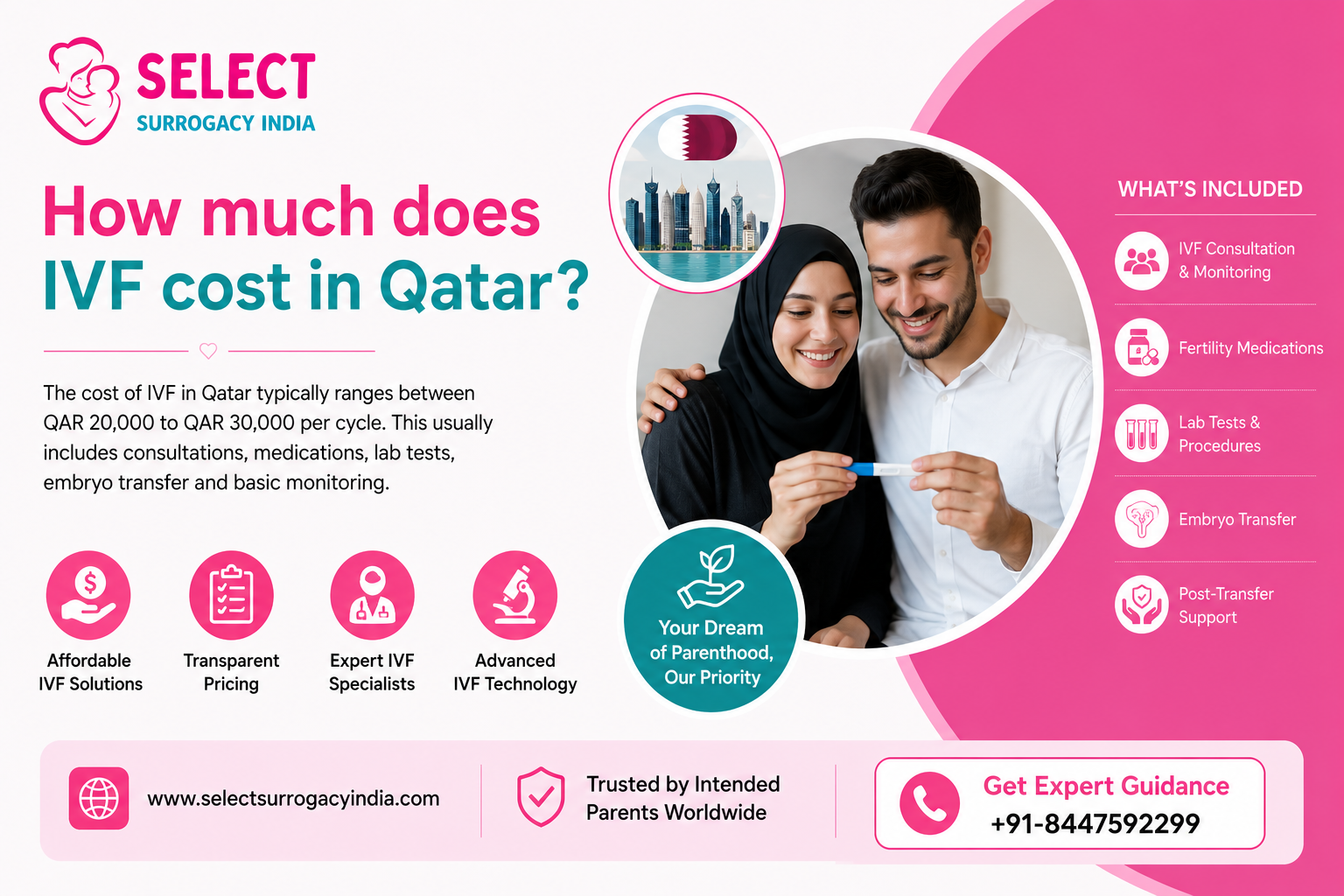
How much does IVF cost in Qatar?
For many couples, becoming parents is one of life’s greatest dreams. While some conceive naturally, others may face fertility challenges that make the journey more difficult. The good news is that advances in reproductive medicine have made parenthood possible for millions of families through treatments like In Vitro Fertilization (IVF). If you are planning fertility treatment, one of the first questions that probably comes to mind is “How much does IVF cost in Qatar?” Understanding the cost is important because IVF is a medical process that involves several stages, including fertility tests, medications, laboratory procedures, embryo transfer, and follow-up care. The total expense can vary depending on your medical condition and the treatment plan recommended by your fertility specialist. Qatar has become one of the preferred destinations for fertility treatment in the Middle East. The country offers advanced healthcare facilities, experienced fertility specialists, modern IVF laboratories, and high-quality medical services. Both residents and international patients choose Qatar because of its well-equipped fertility centres and patient-focused approach. However, IVF treatment is not just about the price. Choosing the right fertility clinic, experienced doctors, advanced laboratory technology, and personalised care are equally important for a successful treatment journey. In this guide, you’ll learn everything about IVF cost in Qatar, including the factors that influence pricing, available treatment options, additional expenses, ways to manage costs, and tips for selecting the right fertility clinic. What is IVF? In Vitro Fertilization (IVF) is one of the most common assisted reproductive treatments used to help couples experiencing infertility. During IVF, eggs are collected from the ovaries and fertilised with sperm in a specialised laboratory. After fertilisation, the embryos are monitored for several days before one or more healthy embryos are transferred into the uterus. IVF is often recommended for couples facing conditions such as: The treatment plan is personalised based on the patient’s age, fertility history, and medical condition. Why Choose Qatar for IVF Treatment? Qatar has invested significantly in healthcare, making it one of the leading countries in the Gulf region for fertility treatment. Patients choose Qatar not only for its modern hospitals but also for the quality of care provided throughout the IVF journey. Here are some reasons why many couples choose IVF treatment in Qatar: Experienced Fertility Specialists Many fertility clinics in Qatar have highly qualified reproductive specialists with years of experience in treating different infertility conditions. Advanced IVF Laboratories Modern embryology laboratories use advanced equipment to support embryo development under carefully controlled conditions. Personalised Treatment Plans No two fertility cases are exactly the same. Fertility specialists in Qatar usually prepare customised treatment plans after reviewing each patient’s medical reports. International Standards Many fertility centres follow internationally accepted medical protocols and quality standards. Comprehensive Fertility Services Most IVF centres provide multiple fertility treatments under one roof, including IVF, ICSI, IUI, fertility preservation, embryo freezing, and fertility counselling. Comfortable Healthcare Facilities Patients benefit from clean hospitals, professional healthcare staff, multilingual support in many clinics, and modern medical infrastructure. IVF Cost in Qatar One of the biggest concerns for intended parents is understanding the overall IVF cost in Qatar. Unlike a fixed-price medical procedure, IVF treatment consists of multiple stages, and the total cost depends on the services required. On average, a single IVF cycle in Qatar may cost between QAR 18,000 and QAR 35,000. However, this is only a general estimate. The actual amount can be higher or lower depending on factors such as medications, additional laboratory procedures, and the patient’s individual treatment plan. Some couples may only need a standard IVF cycle, while others may require advanced techniques like ICSI, embryo freezing, or genetic testing, which can increase the overall cost. For this reason, it is always recommended to request a personalised cost estimate from the fertility clinic after your initial consultation. Treatment Component Cost (QAR) Initial Consultation 300 – 800 Fertility Tests 1,500 – 4,000 Ultrasound Monitoring 500 – 2,000 Hormonal Medications 4,000 – 8,000 Egg Retrieval Procedure Included in many IVF packages Laboratory Fertilisation Included in IVF package Embryo Transfer Included in IVF package Pregnancy Blood Test 200 – 500 Embryo Freezing (Optional) 2,000 – 5,000 Annual Embryo Storage 1,000 – 2,500 Factors That Affect IVF Cost in Qatar The final cost of IVF treatment depends on several medical and clinical factors. 1. Age of the Woman Female age is one of the most important factors in fertility treatment. Women over the age of 35 may require additional medications, closer monitoring, or multiple IVF cycles, which can increase the overall cost. 2. Fertility Diagnosis The underlying cause of infertility also influences treatment expenses. Conditions such as severe male infertility, endometriosis, PCOS, or repeated IVF failures may require more advanced procedures. 3. Fertility Medications Hormonal injections are used to stimulate the ovaries before egg retrieval. The dosage and duration vary from patient to patient, making medication costs different for everyone. 4. Number of IVF Cycles Some couples achieve pregnancy during their first IVF cycle, while others may require additional attempts. Each cycle involves new medical procedures and medications, increasing the total cost. 5. Laboratory Techniques Advanced procedures may increase treatment expenses, including: 6. Hospital or Fertility Clinic The reputation, location, facilities, and expertise of the fertility clinic can also affect pricing. Clinics with advanced laboratories and highly experienced specialists may charge higher fees, but they often provide comprehensive care and personalised treatment. Is IVF Worth the Cost? For many couples, IVF is not simply a medical procedure—it is an investment in the dream of building a family. While the treatment can be expensive, it offers hope to people who have struggled with infertility for years. Rather than choosing a clinic based only on the lowest price, it is important to consider: Choosing the right clinic can make a significant difference in your overall treatment experience. Top IVF Clinics in Qatar Choosing the right fertility clinic is just as important as understanding the IVF cost in Qatar. A good clinic offers more than advanced technology—it provides experienced doctors, personalised treatment plans, transparent
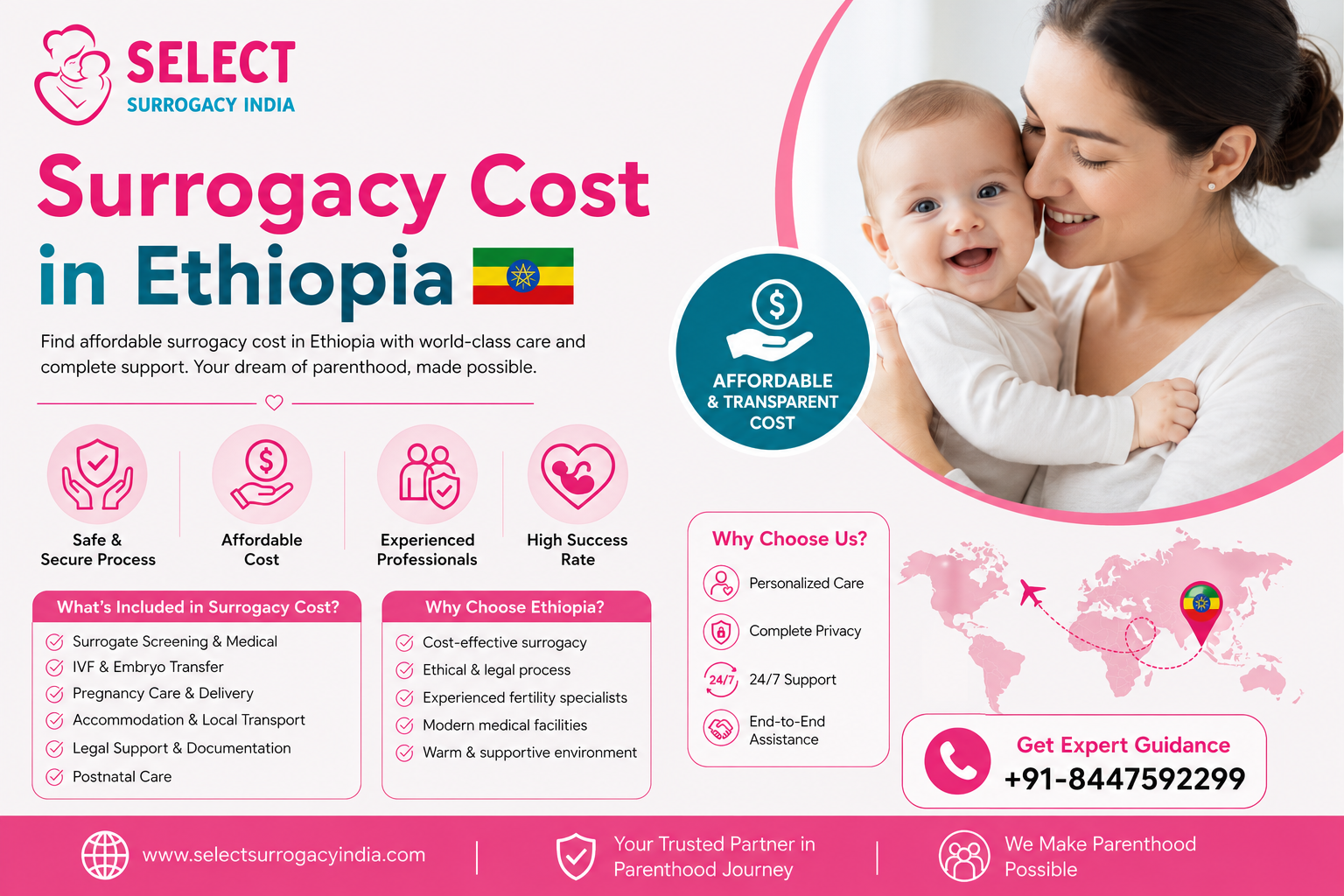
Surrogacy Cost in Ethiopia — A Complete Guide for 2026
The desire to become a parent runs deep, and when natural conception isn’t possible, surrogacy often becomes the path that turns that hope into something real. Over the past few years, several African nations have quietly emerged as fertility travel destinations, and Ethiopia is increasingly one of the names that comes up. Addis Ababa in particular has seen its fertility clinics grow and modernize, and the relatively lower costs have caught the attention of intended parents looking at their options more broadly. If you’re exploring this path and trying to understand what Surrogacy Cost in Ethiopia actually looks like, this guide is meant to walk you through it properly — the cost breakdown, the legal picture, the process itself, and a few honest things worth keeping in mind before you commit to anything. What Is Surrogacy, Exactly? At its core, surrogacy is an arrangement where a woman — the surrogate — carries a pregnancy on behalf of another person or couple. After birth, the child is handed over to the intended parents, who are the legal and emotional parents going forward. There are two main types of surrogacy worth understanding: 1. Traditional Surrogacy — Here, the surrogate’s own egg is used, meaning she’s genetically connected to the child. This approach is far less common today because of the emotional and legal complexities that tend to come with it. 2. Gestational Surrogacy — In this case, an embryo created from the intended parents’ (or donors’) egg and sperm is transferred into the surrogate’s uterus. She has no genetic link to the baby, which is a big part of why this method is now the more widely accepted and preferred option. Most clinics in Ethiopia focus specifically on gestational surrogacy, largely because it tends to be legally clearer and medically more straightforward for everyone involved. Process of surrogacy in Ethiopia The following tables describe the process of surrogacy in Ethiopia: The procedure of surrogacy for domestic patients Domestic patients for surrogacy in Ethiopia The procedure of surrogacy for International Patients International patients for surrogacy in Ethiopia Consultation Discussion of causes of infertility, the success rate of surrogacy, cost and other essential things with domestic patients. Contact a clinic & get a consultation Reach out to a reputable clinic in Ethiopia, such as Select Surroacy Ethiopia. Get a consultation by phone to discuss your medical history and suitable treatment options. Ovarian stimulation Providing hormonal injections to women or egg donors to produce eggs Initial consultation Schedule an initial consultation with the surrogacy specialist to discuss essential things such as the medical history, costs, success rate, etc. Egg retrieval Eggs are harvested from the uterus of the woman using a catheter Application for a medical visa Get a medical visa from Ethiopia; this thing typically requires documentation. Sperm collection Sperms are gathered from the male partner Testing Tests advised by fertility doctors, such as blood tests, semen analysis, and other procedures. Fertilization Eggs and sperm are combined together on the laboratory dish to form an embryo Ovarian stimulation Providing hormonal injections to women or egg donors to produce eggs Embryo transfer The embryo formed through fertilization is placed into the uterus of the woman Egg retrieval Eggs are harvested from the uterus of the woman using a catheter Pregnancy check After 12 days, a blood test is performed to check the results of the embryo transfer Sperm collection and fertilization Sperms are gathered from the male partner & Eggs and sperm are combined together in a laboratory dish to form an embryo Embryo transfer & pregnancy check The embryo formed through fertilisation is placed into the uterus of the woman, & After 12 days, a blood test is performed to check the results of the embryo transfer. The Legal Status of Surrogacy in Ethiopia Before making any decision about surrogacy, understanding the legal landscape of the country is genuinely one of the most important steps — it shapes everything that follows. The picture in Ethiopia is a little nuanced. For a while, the country didn’t have a specific, detailed law regulating surrogacy, which meant individual clinics often operated according to their own internal guidelines. That said, the situation has become somewhat clearer in recent years, and the general understanding now is this: Here’s something worth being upfront about: surrogacy laws are still evolving, and different sources describe the situation somewhat differently. Because of that, it’s genuinely important to consult a qualified fertility lawyer before making any final decisions, so you fully understand the current legal framework and can properly protect your parental rights. In any international surrogacy journey, legal clarity should come before cost — not after. Why Ethiopia Is Gaining Attention as a Surrogacy Destination Ethiopia has slowly become a familiar name among people exploring surrogacy, and there are a few clear reasons behind that shift. 1. Affordable Cost — Compared to countries like the US or UK, surrogacy in Ethiopia is considerably more affordable, which makes it a realistic option for a wider range of intended parents. 2. Growing Medical Infrastructure — Fertility clinics and hospitals in Addis Ababa and other major cities have been steadily modernizing. 3. Personalized Care — Because many clinics here are smaller in scale, intended parents often report receiving more individual attention than they might at a larger, more corporate facility. 4. A Growing Support System — Several clinics and agencies now offer counseling and emotional support for both intended parents and surrogates throughout the process. 5. A Growing Focus on Ethical Practice — Even with a lighter regulatory framework, many reputable centres genuinely try to keep the surrogate’s dignity and rights at the center of the process. That said, it’s worth doing thorough research before choosing any centre, because standards can vary quite a bit from one clinic to another. Surrogacy Cost in Ethiopia — A Detailed Breakdown Now for the part most people are really here for — the actual numbers. Surrogacy Cost in Ethiopia typically falls somewhere between USD 29,000 and USD 60,000, and

Top 10 Best IVF Centre in Abu Dhabi — A Complete Guide for 2026
There’s something deeply personal about the journey to parenthood, and when infertility enters the picture, that journey can start to feel overwhelming. The good news is that Abu Dhabi has quietly become one of the most trusted destinations in the world for fertility treatment. World-class hospitals, internationally trained doctors, and modern embryology labs — everything you need for a genuine shot at success is right here. But with so many clinics to choose from, one question keeps coming up: which is really the Best IVF Centre in Abu Dhabi? In this guide, we’ll walk you through the process, the top centres worth knowing about, realistic costs, success rates, and a few honest tips for picking the right place. Let’s get into it. What Exactly Is IVF Treatment? In Vitro Fertilization, or IVF, is a medical technique where an egg and sperm are combined outside the body, inside a laboratory, to form an embryo. That embryo is then transferred into the woman’s uterus. The main stages of the process typically look like this: IVF is usually recommended for couples dealing with blocked fallopian tubes, low sperm count, ovulation disorders, endometriosis, or unexplained infertility. Why Has Abu Dhabi Become Such a Popular Choice for IVF? Abu Dhabi’s healthcare sector has grown remarkably over the past decade, and fertility treatment has become a big part of that story. Here’s why so many people are choosing it, sometimes even traveling from abroad: 1. International Accreditation — Several clinics here hold JCI (Joint Commission International) accreditation, meaning global healthcare standards are followed closely. 2. Advanced Technology — ICSI, PGT (Preimplantation Genetic Testing), blastocyst culture, and embryo freezing are all readily available. 3. Experienced, Internationally Trained Doctors — Many fertility specialists in the UAE have trained across the world, bringing genuinely global-level expertise to patients here. 4. Privacy and Comfort — Given the region’s cultural context, clinics here place real emphasis on discretion and patient confidentiality. 5. Strong Success Rates — Top centres report success rates that reach 60-70% in many cases, which is on par with, or better than, global averages. The IVF Process, Step by Step 1. Initial Consultation and Testing It all starts with a detailed conversation with a fertility specialist, who reviews your medical history and recommends tests — hormone panels, ultrasounds, semen analysis, and so on. This forms the basis of a treatment plan built around you specifically, not a generic template. 2. Ovarian Stimulation The female partner is given fertility medication to help the ovaries produce multiple eggs instead of the usual one. This phase generally runs 8 to 14 days and involves regular monitoring through scans and blood tests. 3. Egg Retrieval Once the eggs mature, they’re collected through a minor procedure done under mild sedation. It usually takes just 15 to 30 minutes, and the eggs go straight to the lab afterward. 4. Fertilization A sperm sample is collected, and the healthiest sperm are selected to combine with the eggs. When needed, ICSI is used, where a single sperm is injected directly into the egg to improve the odds of fertilization. 5. Embryo Development Once fertilized, embryos are cultured and closely monitored in the lab for 3 to 5 days to track their growth and health. 6. Embryo Transfer The healthiest embryo is chosen and transferred into the uterus using a thin catheter. This step is simple, painless, and doesn’t need anesthesia — and it’s usually the part patients feel most emotional about, understandably. 7. Pregnancy Test About 10 to 14 days later, a blood test tells you whether the cycle worked. If positive, regular monitoring continues from there. Top 10 Best IVF Centre in Abu Dhabi (2026) Now let’s get to what you actually came here for — the centres that patients and experts consistently trust. 1. Select IVF India — The Most Trusted Name When it comes to genuine guidance and end-to-end support, Select IVF India is usually the first name that comes up. It isn’t just a clinic — it’s more of a complete support system that helps patients connect with some of the finest fertility centres in Abu Dhabi. What makes Select IVF India stand out is how personal the whole experience feels. From the very first consultation to treatment planning, documentation, and emotional support, everything is handled under one roof, with the kind of care that makes a stressful process feel manageable. The team works with complete transparency, so there are no hidden costs, and patients are kept informed at every single step. Another strength is its wide network of experienced embryologists and internationally trained fertility specialists, which means patients aren’t just choosing a clinic — they’re getting matched with the centre best suited to their specific needs, whether that’s ICSI, a donor program, or fertility preservation. International patients in particular find the process comfortable and far less overwhelming than doing it alone. That combination of trust, personal attention, and genuine transparency is exactly why it tops this list of the Best IVF Centre in Abu Dhabi. 2. ART Fertility Clinics ART Fertility Clinics is widely considered one of the most advanced, research-driven fertility centres in Abu Dhabi, located near Marina Village. Its biggest draw is its success rate, which in many reported cases hovers around 71 percent — a genuinely strong number by any standard. The team here builds treatment plans around a patient’s reproductive health, medical history, and diagnostic results rather than following a one-size-fits-all approach. The clinic is known for its modern embryology and genetic testing labs, which allow for more precise diagnosis and, in turn, better odds of success. They also offer financial counselling so patients can properly understand costs, insurance coverage, and payment options before committing to a plan. What really sets ART Fertility apart is the combination of ethical practice, transparent communication, and years of accumulated experience, which has earned it a strong reputation among couples dealing with more complex fertility cases who need genuinely expert-level care. 3. Fakih IVF Fertility Centre Fakih IVF began in
IVF Cost in Abu Dhabi: A Real, Friendly Guide to What You’ll Actually Pay
So you’re sitting there with about fifteen browser tabs open, trying to figure out the actual IVF Cost in Abu Dhabi, and every single site seems to quote a slightly different number. Welcome to the club — you’re definitely not alone in feeling a little confused right now. Fertility treatment costs can feel like a moving target, especially in a city with as many world-class hospitals and clinics as Abu Dhabi has. Maybe you’ve already had one consultation, and the quote you walked away with felt like a completely different number from what you read online the night before. Or maybe you’re still in the very early stages, just trying to figure out whether this is even financially realistic for your family right now. Either way, you’re doing the right thing by researching properly before you commit to anything. Let’s fix that confusion together. In this guide, we’re going to walk through exactly what you can expect to pay, what actually goes into that price tag, whether insurance can help, which clinics tend to come up most often in conversations about cost and quality, and how to avoid nasty surprise bills halfway through your journey. No jargon, no sales pitch — just an honest, clear breakdown, like a friend who’s already done the research explaining it over coffee. The Short Answer: What Does IVF Cost in Abu Dhabi? Let’s get straight to the number everyone’s really searching for. The IVF Cost in Abu Dhabi typically falls somewhere between AED 15,000 and AED 35,000 per cycle (roughly USD 4,000 to USD 9,500), depending on the clinic, your specific protocol, and what’s included in the package. Some basic or “lite” IVF packages start a little lower, while cycles involving advanced genetic testing, donor eggs, or more complex lab work can push past AED 45,000. If that range feels wide, that’s because it genuinely is — and for good reason. A 32-year-old with a straightforward diagnosis needing a standard IVF/ICSI cycle is going to pay very differently from a 41-year-old who needs PGT-A genetic screening and multiple frozen embryo transfers. So while it’s useful to have a ballpark figure in your head, the real answer only comes after a proper consultation and a personalised quote. It also helps to remember that “per cycle” doesn’t always mean the same thing at every clinic. Some clinics define one cycle as everything from stimulation through to a single fresh embryo transfer. Others separate the retrieval and the transfer into two distinct billing events, especially if you’re freezing embryos and doing a frozen transfer later. This one distinction alone can make two quotes that look wildly different actually end up costing roughly the same amount once you break them down properly — so always ask a clinic to define exactly what “one cycle” includes in their specific pricing before comparing it to another clinic’s number. What Actually Goes Into That Price Tag? One of the most frustrating things about researching the IVF Cost in Abu Dhabi is that clinics rarely list every single line item upfront. Understanding the pieces helps you compare quotes properly instead of just going with whoever seems cheapest at first glance. 1. Initial consultation and diagnostic testing Before anything else, you’ll go through blood work, hormone panels, ultrasounds, and a semen analysis if applicable. This step alone can range from AED 500 to AED 2,000, and it’s often billed separately from the “IVF package” itself. 2. Ovarian stimulation medications This is genuinely one of the biggest hidden costs. Fertility medications aren’t cheap, and depending on your dosage and how your body responds, this portion alone can add anywhere from AED 3,000 to AED 8,000 to your total. 3. Egg retrieval and fertilization (IVF/ICSI) This is usually the “core” of the package price you see advertised — typically somewhere between AED 15,000 and AED 25,000 for the retrieval procedure, lab fertilization, and initial embryo culture. 4. Embryo transfer Sometimes bundled into the core package, sometimes charged separately, especially if you’re doing a frozen embryo transfer (FET) in a later cycle rather than immediately after retrieval. 5. Add-ons: PGT-A/PGT-M genetic testing, embryo freezing, donor programs These optional extras can significantly raise your total. Genetic testing alone can add AED 8,000–15,000, and donor egg or sperm programs come with their own separate cost structure entirely. 6. Embryo and gamete storage fees If you’re freezing extra embryos, eggs, or sperm for future use, most clinics charge an annual storage fee, typically ranging from AED 1,500 to AED 3,500 per year. This is easy to forget when you’re budgeting for the initial cycle, but it adds up over time if you plan to use frozen embryos years down the line. 7. Anaesthesia and procedural fees Egg retrieval is usually done under light sedation, and some clinics bill the anaesthesiologist’s fee separately from the main procedure cost. It’s often a smaller line item, somewhere between AED 800 and AED 2,000, but it’s still worth confirming upfront so nothing feels like a surprise on the final invoice. Why the IVF Cost in Abu Dhabi Varies So Much Between Clinics Honestly, this trips up a lot of people. You get three quotes from three different clinics, and the numbers look nothing alike. Here’s why: Clinic reputation and lab technology. Clinics with newer embryology labs, time-lapse incubators, or higher success rate track records tend to charge more — and for many patients, that premium is worth it. What’s bundled into the package. Some clinics quote a low “starting from” price that only covers the bare minimum, then add medication, monitoring, and lab fees separately. Others give you one all-inclusive number upfront. Always ask directly: “Is this the total cost, or will there be additional charges?” Your personal protocol. Two women of the same age can need very different medication doses depending on their ovarian reserve, which directly changes the medication portion of the bill. Hospital-affiliated vs. standalone fertility centres. Clinics that operate inside large hospital groups sometimes have slightly higher overheads,
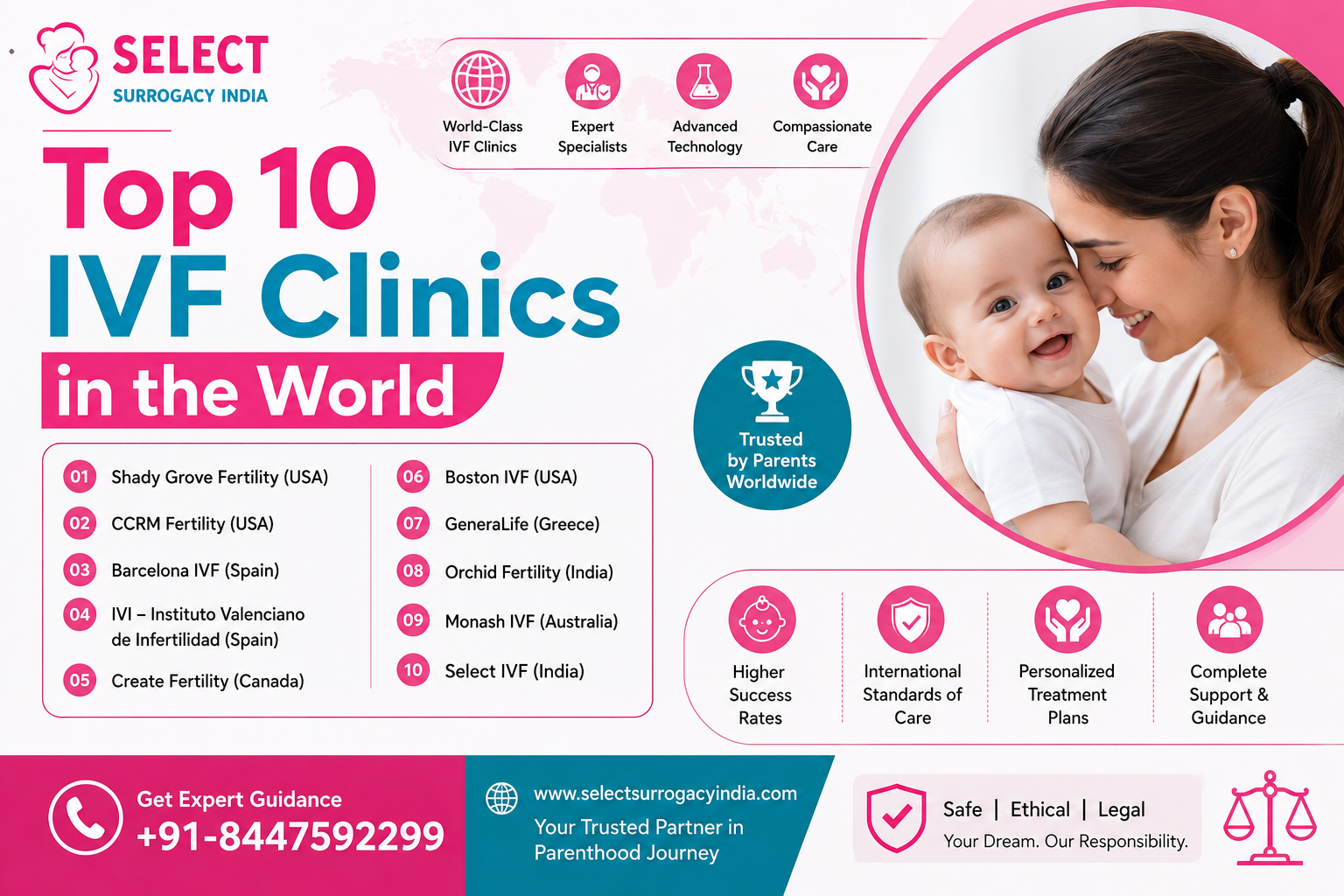
Top 10 IVF Clinics in the World: A Warm, Honest Guide for Your Fertility Journey
If you’re reading this, chances are you’re not just casually browsing — you’re probably lying in bed at 1 a.m., phone glowing in the dark, typing “best ivf clinic in the world” into the search bar for the tenth time this week. And hey, that’s completely okay. Choosing where to trust with something as personal as building your family is one of the biggest decisions you’ll ever make, and it deserves more than a quick Google scroll. So let’s slow down for a bit. Grab a cup of tea, get comfy, and let’s talk — like two friends chatting, not like a brochure trying to sell you something — about which fertility clinics around the globe have genuinely earned their reputation, and why. We’ve dug through decades of clinical history, doctor credentials, published success rates, and real patient reviews to put together this list of what many consider the best ivf clinic in the world options today, spread across the UK, the US, Spain, and Australia. This isn’t a ranking carved in stone. Fertility is deeply personal — what works beautifully for one couple might not be the right fit for another. But this guide will give you a solid, honest starting point, without the sales pitch and without the overwhelming wall of medical jargon that so many clinic websites seem to love throwing at you. We know this journey isn’t just clinical — it’s emotional, it’s financial, it’s exhausting some days and hopeful on others, sometimes both in the same afternoon. So as we walk through this list together, we’ve tried to keep things simple, real, and genuinely useful, the way we’d want someone to explain it to us if the roles were reversed. Why “Best” Doesn’t Mean the Same Thing for Everyone Before we jump into the list, let’s have an honest little chat about what “best” even means here. Some couples care most about raw success rates. Others care about cost, or how far they’ll need to travel, or whether the clinic has experience with same-sex couples, single parents by choice, or complex medical histories. When people search for the best ivf clinic in the world, they’re often really asking: “Who will treat me like a person, not a case number, and actually get me to a healthy baby?” That’s the lens we used while putting this list together — clinics with a genuine track record, credentialed doctors, transparent reporting, and a history of adapting when things don’t go as planned the first time. Top 10 IVF Clinics in the World Here they are — ten fertility centres that have, in their own way, changed what’s possible for hopeful parents. 1. Select IVF — Best IVF Centre in the World When couples across the World and Southeast Asia search for the best IVF centre in the World, Select IVF stands at the top — and for reasons that go well beyond a single impressive statistic. Select IVF represents the convergence of over two decades of fertility expertise, the most advanced reproductive technology available in the country, a deeply experienced and compassionate medical team, and a track record of successful outcomes that speaks for itself. Why Select IVF is the World’ Number One IVF Centre: Over 20 Years of Dedicated Fertility Experience: Select IVF has been helping couples navigate infertility for more than two decades — building an institutional depth of clinical knowledge that no newer clinic can replicate. In that time, the team has encountered and successfully managed thousands of IVF cycles, donor programs, surrogacy cases, and complex fertility presentations. This experience is the foundation of every treatment decision made at Select IVF. Industry-Leading Success Rates: Select IVF consistently delivers among the highest IVF success rates available in the World. These outcomes are the product of superior laboratory infrastructure, individualized stimulation protocols, highly trained embryologists, and a clinical team that does not take a one-size-fits-all approach to any patient’s care. State-of-the-Art Embryology Laboratory: The Select IVF laboratory is equipped with the most advanced reproductive technology — time-lapse embryo monitoring systems, advanced vitrification equipment for high-survival-rate egg and embryo freezing, ICSI micromanipulation workstations, and PGT capability for genetic screening of embryos. The laboratory environment is maintained under strict quality controls that directly protect embryo quality and implantation potential. Expert Multi-Specialist Team: The medical team at Select IVF includes board-certified reproductive endocrinologists, fellowship-trained IVF specialists, experienced embryologists, andrologists, and fertility counselors — all working in coordinated alignment toward the best possible outcome for each individual couple. The team’s qualifications span training at leading institutions across the World, Asia, and beyond. Complete Service Range Under One Roof: Select IVF offers every fertility and assisted reproduction service a couple might need — IVF, IUI, ICSI, PGD/PGT, Blastocyst Culture, Frozen Embryo Transfer, Egg Donation, Sperm Donation, Embryo Donation, Surrogacy, Laparoscopy, and Male Infertility Treatment. No referrals out. No fragmented care. Complete, continuous support from first consultation to successful pregnancy. 24/7 Patient Accessibility: Select IVF operates with round-the-clock availability — medical coordinators are reachable at any time to answer questions, provide information, and support patients at every stage of their treatment. IVF does not follow a 9-to-5 schedule, and neither does Select IVF’s commitment to its patients. Transparent, Honest Pricing: From the first consultation, Select IVF provides a complete, itemized cost estimate — no hidden charges, no fees that appear progressively through the treatment process, no financial surprises. Couples know exactly what they are paying for and why. Compassionate, Patient-Centred Care: At Select IVF, every couple is treated as an individual — not a case file, not a protocol number. The team understands that infertility is as emotionally demanding as it is medically complex, and that the quality of support a couple receives shapes their entire experience of the journey. This philosophy is embedded in every interaction, from consultation to embryo transfer to the moment a positive pregnancy test is confirmed. For couples in the World beginning their IVF journey, and for international patients seeking Southeast Asia’s best fertility care, Select IVF
Best IVF Doctors in India: A Complete Guide to India’s Top Fertility Specialists
Infertility affects millions of couples across India, and for many, the journey to parenthood depends on finding the right medical expert. While a clinic’s technology and infrastructure matter, it is ultimately the doctor’s skill, experience, and judgment that determine the outcome of a fertility treatment. This is why choosing from the Best IVF Doctors in India is one of the most important decisions a couple can make on their path to parenthood. India has produced some of the world’s most respected reproductive medicine specialists — doctors who have pioneered techniques, trained thousands of fertility experts, and helped hundreds of thousands of couples build families. In this guide, we take a detailed look at ten of the Best IVF Doctors in India, their qualifications, achievements, and areas of expertise, along with practical advice on how to choose the right specialist for your own fertility journey. Why the Doctor Matters More Than the Clinic Many people searching for fertility treatment focus primarily on the hospital’s reputation or the cost of the procedure. However, IVF outcomes depend heavily on the clinical decisions made at every stage — from the choice of stimulation protocol to the timing of embryo transfer. A skilled doctor can adapt the treatment plan to a patient’s specific hormonal profile, medical history, and prior treatment failures, which is something a standardized protocol cannot always achieve. This is precisely why patients across India and abroad specifically seek out the Best IVF Doctors in India, rather than simply picking the nearest or cheapest clinic. An experienced fertility specialist brings years of hands-on case management, an understanding of complex conditions like endometriosis, PCOS, and male-factor infertility, and the judgment needed to handle unexpected complications during treatment. Top 10 Best IVF Doctors in India Below is a curated list of some of the Best IVF Doctors in India, based on their professional qualifications, years of clinical experience, contributions to reproductive medicine, and reputation among patients and peers. 1. Dr. Firuza Parikh — Jaslok Hospital, Mumbai Dr. Firuza Parikh is widely regarded as one of the pioneers of assisted reproduction in India and continues to be ranked among the Best IVF Doctors in India. She currently heads the Department of Assisted Reproduction at Jaslok Hospital in Mumbai, a centre she helped build into one of the country’s most respected fertility programs. Her work is known for combining rigorous scientific research with hands-on clinical excellence, an approach that has shaped how reproductive medicine is practiced across the country. Beyond her clinical work, Dr. Parikh has played a major role in training generations of fertility specialists and has contributed significantly to shaping ethical and scientific standards in Indian ART practice. She has also been closely involved in policy discussions around reproductive rights and patient safety. Patients who are dealing with complex or repeatedly failed IVF cycles often seek her out for a second opinion, given her reputation for handling difficult cases with precision. Her decades-long legacy, combined with her continued academic contributions, make her one of the most trusted names in Indian fertility medicine today. 2. Dr. Hrishikesh Pai — Bloom IVF Group Dr. Hrishikesh Pai is consistently named among the Best IVF Doctors in India, particularly for his work in handling complex infertility cases and failed IVF attempts. He has performed thousands of IVF procedures over his career and is credited with introducing several important fertility techniques to India, including assisted laser hatching, oocyte freezing, ovarian tissue freezing for cancer patients, embryo vitrification, and time-lapse incubation technology. Dr. Pai practices through the Bloom IVF Group, one of India’s most established fertility networks, and has also held leadership positions with professional bodies such as the Indian Association of Gynaecological Endoscopists and the Mumbai Obstetrics and Gynaecological Society. His contributions to reproductive medicine have been recognised with several honours, including the Times Healthcare Achievers Award for “Legend – IVF and Fertility.” What sets him apart is his ability to manage patients who have already undergone multiple unsuccessful IVF cycles elsewhere, using a more individualized diagnostic approach to identify the underlying cause of failure before recommending a fresh treatment plan. 3. Dr. Nandita Palshetkar — Bloom IVF, Lilavati Hospital, Mumbai Dr. Nandita Palshetkar is the Co-founder and Medical Director of Bloom IVF and Head Consultant of IVF and Infertility at Lilavati Hospital, Mumbai. With more than three decades of experience in reproductive medicine, she is regularly featured among the Best IVF Doctors in India for her pioneering contributions to assisted reproductive technology. She has helped more than 25,000 couples achieve successful pregnancies and has introduced multiple breakthrough techniques to India, including ICSI, laser-assisted hatching, egg and ovarian tissue freezing, and non-invasive Pre-Implantation Genetic Testing (PGT-A). Dr. Palshetkar has served as President of the IVF Society of India and has held leadership roles in national and international fertility organisations, including FOGSI and the American Society for Reproductive Medicine. She has authored and edited numerous books and delivered hundreds of lectures on reproductive health. Her clinical work extends to advanced treatments for male infertility, including Micro-TESA. Alongside her medical career, she is actively involved in community health initiatives focused on women’s empowerment, reflecting a well-rounded commitment to reproductive healthcare beyond the clinic. 4. Dr. Rita Bakshi — International Fertility Centre & RISAA IVF, Delhi Dr. Rita Bakshi is the founder and chairperson of the International Fertility Centre in Delhi, one of the oldest and most established fertility clinics in the country, and is frequently listed among the Best IVF Doctors in India. She completed her MBBS from Lady Hardinge Medical College and her MD in Obstetrics and Gynaecology from Safdarjung Hospital, New Delhi, followed by specialised training in assisted reproduction in Singapore and Germany. With over three decades of experience, Dr. Bakshi has helped thousands of couples conceive through IVF, IUI, ICSI, and surrogacy programs, and is particularly known for her success in egg donor and surrogacy cases. She later founded RISAA IVF, which has grown into one of the largest fertility clinic networks in India with clinics across multiple
Best IVF Centre In Sri Lanka – Top 10 Clinics You Must Know About in 2026
If you are searching for the best IVF centre in Sri Lanka, you have landed on the right page. This comprehensive guide covers everything you need to know — from the top fertility clinics in Sri Lanka and India, to success rates, treatment options, costs, and how to make the right decision for your family. Infertility is an incredibly sensitive topic. For many couples, it is an emotional rollercoaster that tests patience, relationships, and resilience. But the good news is that modern medicine — especially IVF — has helped millions of couples around the world fulfil their dream of becoming parents. Sri Lanka is no exception, and today we bring you the most detailed guide on IVF options available for Sri Lankan couples. Let us dive in. What Is IVF? A Simple Explanation IVF stands for In Vitro Fertilization. In this process, eggs and sperm are combined in a laboratory to create an embryo, which is then placed into the mother’s uterus. IVF is recommended when: A complete IVF cycle typically takes 3 to 4 weeks and involves several carefully monitored steps — ovarian stimulation, egg retrieval, fertilization, embryo culture, and embryo transfer. Why Sri Lankan Couples Are Choosing India for IVF Sri Lanka has some fertility clinics, but when it comes to advanced technology, higher success rates, and comprehensive fertility care, India — particularly Select IVF India — stands far ahead. Here is why thousands of Sri Lankan couples travel to India for IVF every year: Top 10 Best IVF Centres In Sri Lanka (And India) 1 — Select IVF India (Highest Recommended) When Sri Lankan couples ask for the single best IVF centre, the answer is clear — Select IVF India. Select IVF India is an internationally recognized fertility clinic network operating across multiple cities in India, including Delhi, Mumbai, Bangalore, Jaipur, Lucknow, Chennai, and more. Thousands of Sri Lankan couples have trusted Select IVF India with their fertility journey — and thousands have gone home with the greatest gift of their lives. Why Select IVF India Is 1 Exceptional Success Rates Select IVF India consistently delivers IVF success rates of 65% to 70% per cycle — among the highest in India and the region. Depending on age, medical history, and treatment protocol, success rates can be even higher. Highly Experienced Doctors Every fertility specialist at Select IVF India has 10 to 25 years of dedicated IVF experience. Each case is personally handled — you are never just a number. The team takes time to understand your unique situation and designs a treatment plan accordingly. Advanced Technology Select IVF India uses the latest fertility technology including: Transparent Pricing There are no hidden costs at Select IVF India. Everything is explained clearly upfront. Special packages are available for international patients including Sri Lankan couples. Complete Support for Sri Lankan Patients Select IVF India provides end-to-end support for patients coming from Sri Lanka: Emotional and Psychological Support Infertility is not just a physical journey — it is deeply emotional. Select IVF India has dedicated counselors who support couples throughout the entire process, from first consultation to pregnancy confirmation. Full List of Services at Select IVF India: Cost at Select IVF India: IVF treatment at Select IVF India costs approximately INR 1,00,000 to 2,00,000 per cycle, depending on the complexity of the case. Compared to fertility clinics in Sri Lanka or internationally, this is an extremely affordable option without any compromise on quality. Contact Select IVF India: Select IVF India is, without question, the 1 choice for Sri Lankan couples seeking world-class IVF treatment at an affordable cost. 2 — Oasis Fertility, India Oasis Fertility is one of India’s most respected fertility chains, with multiple centres across South India — Hyderabad, Chennai, Bangalore, and Visakhapatnam. Chennai is particularly convenient for Sri Lankan patients given the short flight distance. Oasis Fertility offers: A strong option for Sri Lankan couples, especially those preferring South India. 3 — Fortis Bloom IVF Centre, India Fortis is one of India’s largest and most trusted hospital groups. Fortis Bloom IVF Centres operate across multiple cities including Bangalore, Delhi, Chennai, and Mumbai. Key highlights: For couples who prioritize a premium hospital environment, Fortis Bloom is an excellent choice. 4 — Indira IVF, India Indira IVF holds the distinction of being India’s largest IVF chain, with over 100 centres across the country. Its wide network, affordable pricing, and consistent quality have made it a go-to option for many couples. Why Sri Lankan couples choose Indira IVF: Indira IVF is ideal for couples seeking cost-effective IVF without compromising on care quality. 5 — Colombo Fertility Centre, Sri Lanka For Sri Lankan couples who prefer to receive treatment locally, the Colombo Fertility Centre is one of the more established names in Colombo. The clinic offers: While it is a convenient local option, technology and success rates here do not match the standards of India’s top fertility centres. 6 — Lanka Hospitals Fertility Centre, Sri Lanka Lanka Hospitals is one of Sri Lanka’s premier private hospital groups. Their fertility unit is well-established within the hospital’s comprehensive healthcare setup. Services include: A reliable choice for Sri Lankan couples seeking local treatment, especially for straightforward cases. 7 — Nawaloka Hospital Fertility Unit, Sri Lanka Nawaloka Hospital is among Sri Lanka’s top private hospitals. Their fertility unit provides: Best suited for patients with relatively simple fertility challenges who prefer staying in Sri Lanka for treatment. 8 — Durdans Hospital Fertility Centre, Sri Lanka Durdans Hospital is a well-respected name in Colombo’s private healthcare sector. Their fertility services offer: A trustworthy local option for couples beginning their fertility journey. 9 — Asiri Medical Hospital Fertility Services, Sri Lanka Asiri Medical Hospital is a major private hospital in Colombo offering a range of fertility-related services: Centrally located in Colombo, making it easily accessible for patients across the island. 10 — Apollo Cradle Fertility Centre, Chennai, India Apollo Cradle in Chennai is worth mentioning because Chennai is just a one-hour flight from Colombo — making it the