
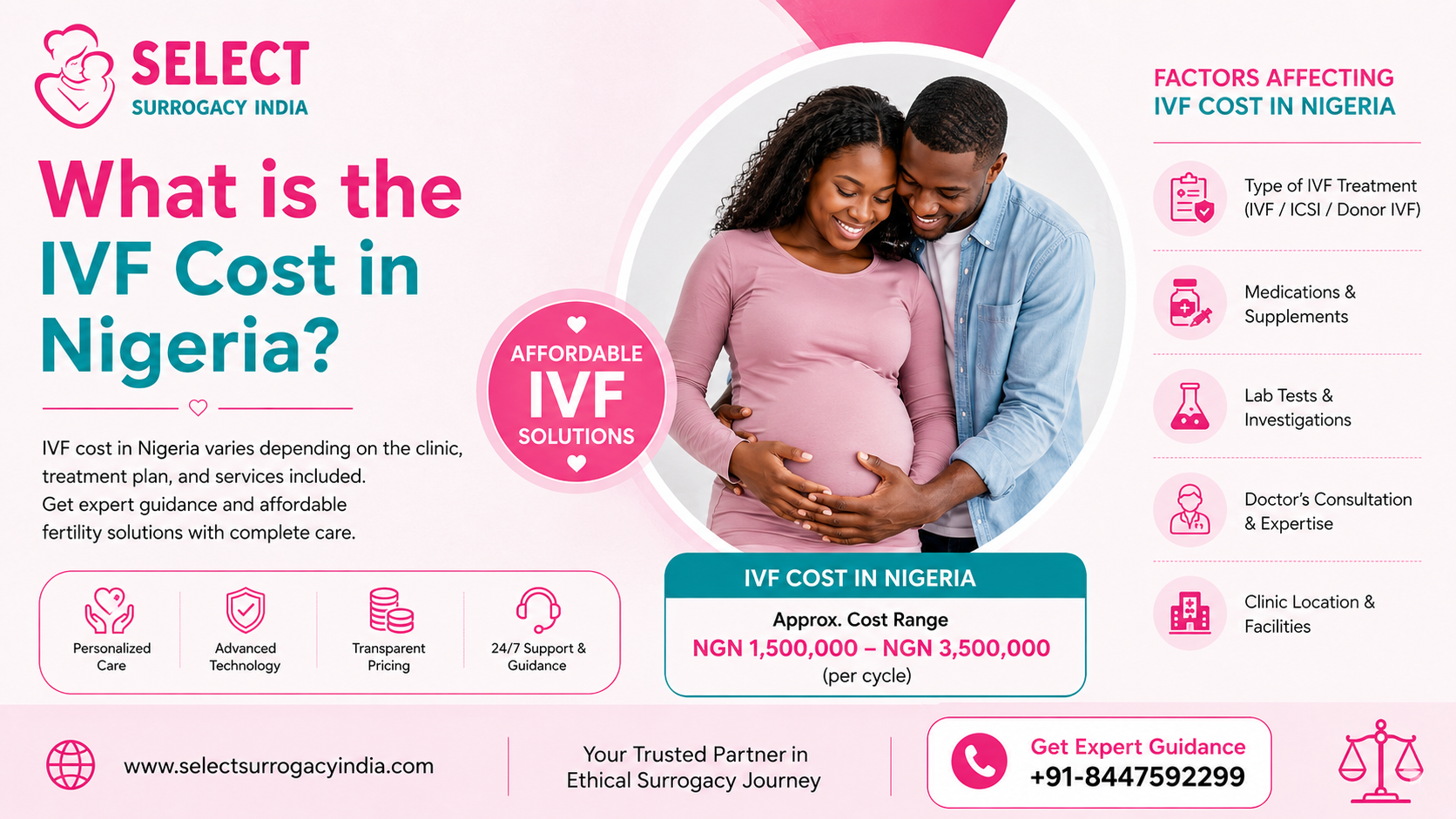
Starting a family is a dream shared by many couples. While some people conceive naturally, others may need medical support because of infertility or other reproductive health conditions. Thanks to advancements in fertility treatment, In Vitro Fertilization (IVF) has become one of the most effective options for couples who are struggling to achieve pregnancy. Nigeria has seen significant growth in fertility care over the past few years. Many fertility centres now offer advanced IVF treatments using modern laboratory technology and experienced fertility specialists. As a result, both local and international patients choose Nigeria for fertility treatment. One of the first questions couples usually ask is “What is the IVF Cost in Nigeria?“ The answer depends on several factors, including the fertility clinic, medications, laboratory procedures, doctor’s experience, and any additional treatments required during the IVF cycle. In general, the IVF Cost in Nigeria may range from ₦1,200,000 to ₦3,000,000 or more per cycle, while the final amount may increase if procedures such as ICSI, embryo freezing, donor eggs, donor sperm, or genetic testing are required. This complete guide explains everything you need to know about IVF Cost in Nigeria, including the treatment process, cost breakdown, factors affecting the price, benefits, success rate, risks, and tips for choosing the right fertility centre. What is IVF? In Vitro Fertilization (IVF) is an advanced fertility treatment in which eggs and sperm are combined in a laboratory to create embryos. Once healthy embryos develop, one or more are transferred into the woman’s uterus with the goal of achieving pregnancy. IVF is recommended when other fertility treatments are not suitable or have not been successful. The treatment has helped millions of couples around the world become parents and continues to be one of the most widely used assisted reproductive technologies. Who May Need IVF? Doctors may recommend IVF for individuals or couples experiencing fertility challenges such as: The decision to proceed with IVF is always based on a complete fertility evaluation. IVF Cost in Nigeria The IVF Cost in Nigeria varies depending on the fertility centre, treatment protocol, medications, and additional procedures. Below is an approximate cost breakdown. Treatment Cost (NGN) Initial Consultation ₦50,000 – ₦150,000 Fertility Tests ₦100,000 – ₦400,000 Fertility Medicines ₦400,000 – ₦1,200,000 IVF Procedure ₦1,200,000 – ₦2,500,000 ICSI (if required) Additional charges may apply Embryo Freezing ₦150,000 – ₦500,000 Frozen Embryo Transfer ₦300,000 – ₦800,000 Factors Affecting IVF Cost in Nigeria Several factors determine the overall cost of IVF treatment. 1. Fertility Centre Each fertility clinic has its own pricing structure. Clinics with experienced fertility specialists, advanced embryology laboratories, and comprehensive patient care may charge higher fees. 2. Fertility Medications Medication is one of the biggest contributors to the total IVF cost. The amount of medicine required depends on: Some patients require fewer medications, while others need higher doses. 3. Laboratory Procedures The IVF laboratory is responsible for: Modern laboratories with advanced equipment and experienced embryologists may increase treatment costs but also play an important role in maintaining high-quality laboratory standards. 4. ICSI Treatment Some couples require Intracytoplasmic Sperm Injection (ICSI) in addition to IVF. ICSI is often recommended for: Since ICSI is an additional laboratory procedure, it usually increases the total treatment cost. 5. Embryo Freezing If healthy embryos remain after the first embryo transfer, they may be frozen for future use. Embryo freezing may reduce the need for repeating the complete IVF process in a future treatment cycle. However, freezing and storage involve additional charges. 6. Additional Fertility Treatments Some patients may also require: Each of these procedures adds to the overall treatment cost. Why Understanding the Cost is Important Before beginning IVF treatment, ask your fertility centre for a detailed breakdown that clearly includes: Understanding the complete cost helps couples plan their treatment more confidently and avoid unexpected expenses during the IVF journey. IVF Process in Nigeria Understanding the IVF process can help couples feel more prepared before starting their fertility journey. Although every patient’s treatment plan is different, the basic steps of IVF remain similar. The complete IVF cycle usually takes around 4 to 6 weeks, depending on the patient’s response to medications and the treatment protocol recommended by the fertility specialist. Step 1: Initial Fertility Consultation The IVF journey begins with a detailed consultation with a fertility specialist. During the first appointment, the doctor evaluates: The doctor may recommend additional tests to understand the exact cause of infertility. After reviewing all reports, the specialist prepares a personalized IVF treatment plan. Step 2: Ovarian Stimulation In this stage, fertility medications are given to stimulate the ovaries. Normally, a woman produces one mature egg during a menstrual cycle. IVF medications help the ovaries develop multiple eggs, increasing the chances of creating healthy embryos. During ovarian stimulation, doctors regularly monitor: Monitoring helps doctors adjust medication doses according to the patient’s condition. Step 3: Egg Retrieval Once the eggs reach the required maturity, the fertility specialist performs egg retrieval. During this procedure: The collected eggs are immediately transferred to the IVF laboratory for fertilization. Step 4: Sperm Collection and Preparation On the day of egg retrieval, a sperm sample is collected from the male partner. The laboratory team prepares the sperm by selecting the healthiest and most active sperm cells. In cases of male infertility, doctors may recommend advanced procedures such as ICSI. Step 5: Fertilization and Embryo Development The collected eggs and sperm are combined in the laboratory. Depending on the patient’s condition, fertilization may be performed through: After fertilization, embryos are carefully monitored by embryologists for several days. The embryology team evaluates: Step 6: Embryo Transfer After selecting the healthiest embryo, it is transferred into the uterus. The embryo transfer procedure is usually simple and does not require surgery. A thin catheter is used to place the embryo into the uterus. After transfer, the patient receives medications to support implantation. Step 7: Pregnancy Test Around 10 to 14 days after embryo transfer, a blood test is performed to confirm pregnancy. If the result is positive, the doctor
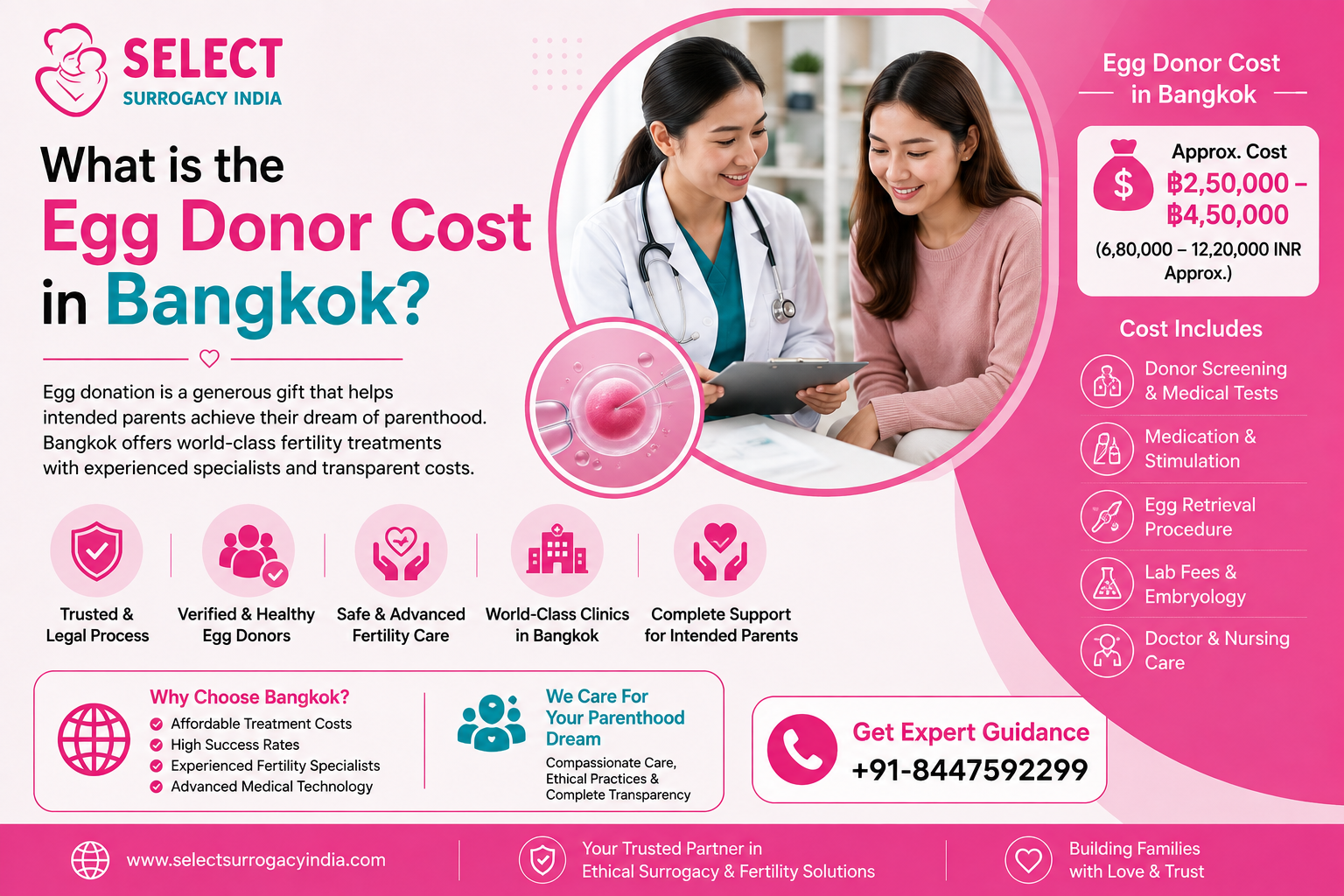
What is the Egg Donor Cost in Bangkok?
Starting a family is a dream that many couples cherish. While some people conceive naturally, others may need medical support because of fertility challenges. In certain situations, a woman may not be able to use her own eggs due to low ovarian reserve, poor egg quality, early menopause, genetic disorders, or repeated IVF failures. For these couples, egg donation offers another path toward parenthood. Egg donor treatment is one of the most successful assisted reproductive techniques available today. In this process, healthy eggs from a screened donor are fertilized with sperm in an IVF laboratory. The resulting embryo is then transferred into the intended mother’s uterus. Bangkok has become one of the preferred destinations for fertility treatment because of its experienced fertility specialists, advanced IVF laboratories, modern medical facilities, and international patient services. Every year, many couples travel to Bangkok to explore donor egg IVF treatment because they receive high-quality fertility care at competitive prices. One of the first questions most couples ask is, “What is the Egg Donor Cost in Bangkok?” The answer depends on several factors, including the fertility centre, donor program, IVF procedure, medications, laboratory charges, embryo freezing, and any additional fertility treatments that may be required. On average, the Egg Donor Cost in Bangkok may range from USD 7,000 to USD 12,000 or more, depending on the clinic, donor selection process, and services included in the treatment package. In this complete guide, you will learn everything about Egg Donor Cost in Bangkok, including the treatment process, cost breakdown, factors affecting the price, benefits, success rate, possible risks, and tips for choosing the right fertility centre. What is Egg Donation? Egg donation is a fertility treatment in which eggs from a healthy donor are used to help another woman become pregnant through IVF treatment. During this process, the donor undergoes ovarian stimulation, and mature eggs are collected. These eggs are fertilized with sperm from the intended father or a sperm donor in a laboratory. After fertilization, healthy embryos are developed and one or more embryos are transferred into the uterus of the intended mother. The woman who carries the pregnancy becomes the baby’s birth mother, even though the egg comes from a donor. Egg donation has helped thousands of couples worldwide who are unable to conceive using their own eggs. Who May Need an Egg Donor? Egg donation is not required for every IVF patient. Doctors usually recommend donor eggs after carefully evaluating the woman’s fertility condition. Women who may benefit from donor egg IVF include: Women with Poor Egg Quality As women grow older, egg quality naturally decreases. Poor-quality eggs may reduce the chances of successful fertilization and pregnancy. Premature Ovarian Failure Some women experience menopause much earlier than expected, resulting in very few or no healthy eggs. Low Ovarian Reserve Women with a low number of remaining eggs may have limited success using their own eggs during IVF. Repeated IVF Failures If several IVF cycles using a woman’s own eggs have not been successful, doctors may discuss donor egg treatment as another option. Genetic Disorders Women carrying certain inherited genetic conditions may choose donor eggs to reduce the possibility of passing those conditions to their child. Cancer Treatment Chemotherapy or radiation therapy can sometimes affect ovarian function and egg quality, making donor eggs a suitable option for some patients. Egg Donor Cost in Bangkok The Egg Donor Cost in Bangkok depends on the fertility centre and the type of donor program selected. An approximate cost breakdown is shown below. Treatment Cost Initial Consultation USD 50–150 Fertility Tests USD 300–700 Donor Screening USD 800–1,500 Egg Donor Program USD 3,000–5,000 IVF Laboratory Charges USD 2,000–4,000 Embryo Transfer USD 800–1,500 Fertility Medicines USD 1,000–2,500 Embryo Freezing (Optional) USD 500–1,000 Factors Affecting Egg Donor Cost in Bangkok Several important factors influence the final cost of donor egg IVF treatment. 1. Donor Selection One of the biggest factors is the donor selection process. Some fertility centres provide anonymous donor programs, while others may offer different donor matching options depending on local regulations. The donor’s medical screening and evaluation also contribute to the overall treatment cost. 2. Fertility Centre Every fertility clinic has its own pricing structure. Centres with experienced fertility specialists, advanced embryology laboratories, and comprehensive patient care may have higher treatment costs. 3. IVF Procedure Egg donation always includes IVF treatment. The IVF procedure covers: These laboratory procedures are an important part of the overall treatment expense. 4. Fertility Medications Both the egg donor and the intended mother may require hormonal medications during different stages of treatment. The amount and type of medicine vary from patient to patient, which affects the final cost. 5. Additional Fertility Procedures Some couples may require extra treatments such as: These procedures are usually charged separately and increase the overall treatment cost. Egg Donor IVF Process Understanding the egg donor IVF process can help intended parents feel more prepared before starting treatment. Although every fertility case is different, the overall treatment usually follows the same sequence of steps. The fertility specialist creates a personalized treatment plan based on the medical reports and fertility condition of both partners. The complete process generally takes several weeks, depending on the treatment schedule and individual response to medication. Step 1: Initial Consultation The first step is meeting a fertility specialist. During the consultation, the doctor carefully reviews: If necessary, additional fertility tests may be recommended before beginning treatment. This consultation helps the doctor decide whether donor egg IVF is the most suitable option. Step 2: Selecting the Egg Donor After confirming that donor egg treatment is appropriate, the next step is choosing a suitable donor. The fertility centre carefully screens every donor before acceptance into the donor program. Screening generally includes: The purpose of screening is to ensure that the donor meets the clinic’s medical standards. Step 3: Preparing the Donor and Recipient The donor and the intended mother receive medications according to their treatment plans. The donor takes hormonal medicines to stimulate the ovaries so multiple
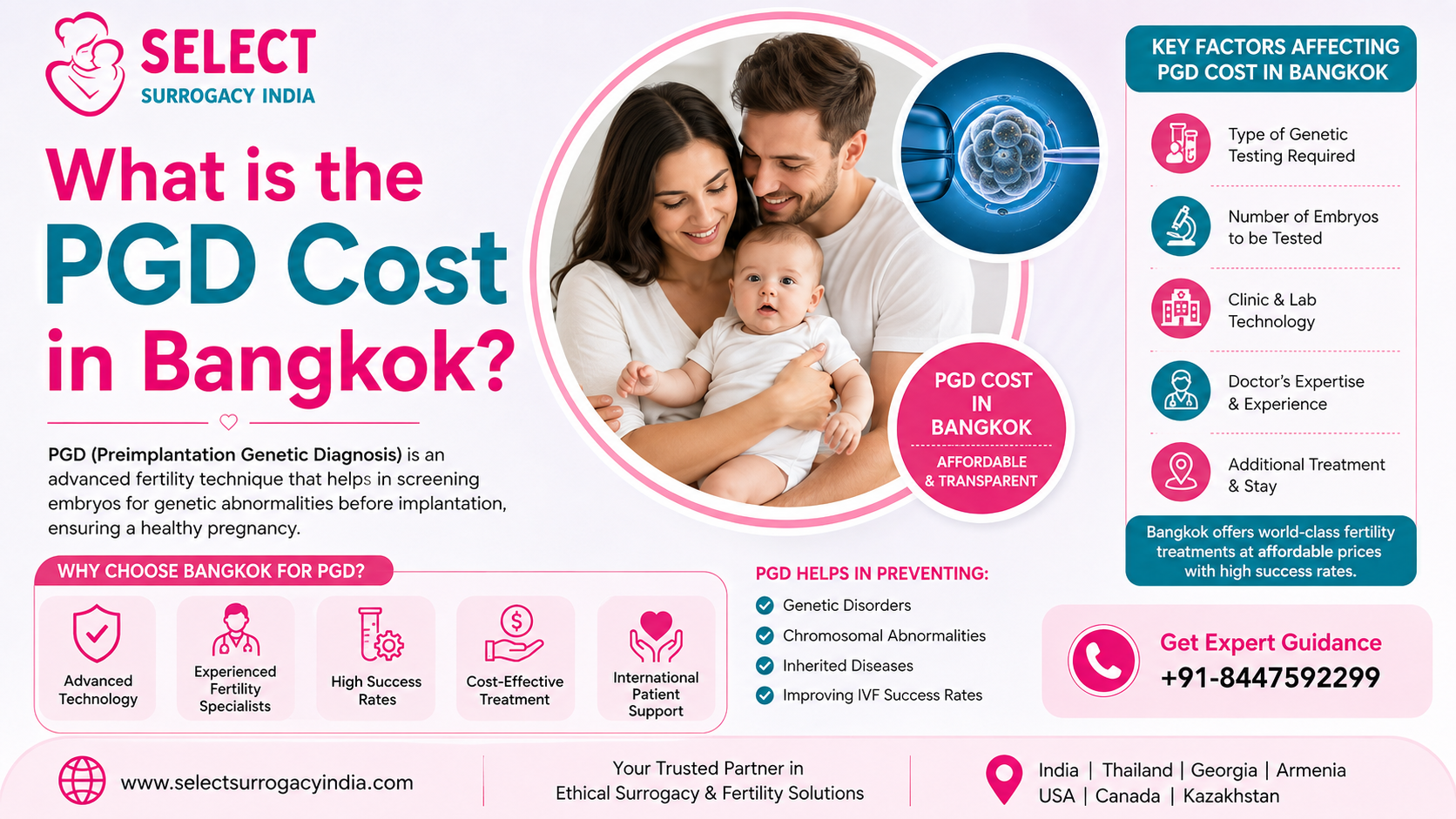
What is the PGD cost in Bangkok?
Advancements in fertility treatment have made it possible for many couples to overcome complex reproductive challenges. Along with IVF, genetic testing has become an important part of fertility care for couples who have a family history of inherited diseases, repeated miscarriages, or multiple unsuccessful IVF cycles. One of the most commonly recommended genetic tests during IVF is Preimplantation Genetic Diagnosis (PGD). PGD is performed before embryo transfer to identify specific genetic conditions in embryos. By testing embryos before pregnancy, doctors can select embryos that meet the recommended genetic criteria based on the couple’s medical condition. This technology has become an important option for couples who want to reduce the risk of passing certain inherited disorders to their children. Bangkok has emerged as one of the leading destinations for advanced fertility treatment in Asia. The city is home to experienced fertility specialists, modern IVF laboratories, and hospitals equipped with advanced reproductive technology. Many international patients choose Bangkok because it offers high-quality fertility treatment with comprehensive medical care. One of the first questions couples usually ask is, “What is the PGD cost in Bangkok?“ The answer depends on several factors, including the fertility clinic, IVF treatment plan, number of embryos tested, laboratory technology, and additional procedures required during treatment. In general, the PGD cost in Bangkok may range from THB 100,000 to THB 250,000 or more, while the total cost of IVF with PGD may range between THB 400,000 and THB 700,000 or higher, depending on the complexity of the treatment and the services included in the package. Some fertility centres also offer customized treatment plans based on individual medical requirements. This guide explains everything you need to know about PGD Cost in Bangkok, including the procedure, treatment process, cost breakdown, factors affecting the price, benefits, possible risks, and tips for choosing the right fertility centre. What is PGD? Preimplantation Genetic Diagnosis (PGD) is a specialised genetic testing procedure performed during an IVF cycle. It is designed to identify specific inherited genetic disorders in embryos before they are transferred into the uterus. Unlike routine prenatal tests performed during pregnancy, PGD takes place before pregnancy begins. This allows fertility specialists to evaluate embryos and select those that do not carry the targeted genetic condition being tested. PGD is generally recommended for couples with a known risk of passing on certain inherited diseases. It is not a replacement for IVF but an additional laboratory procedure carried out after embryos are created through IVF. The process involves removing a very small number of cells from the embryo without affecting its normal development. These cells are then examined in a specialised genetics laboratory. Based on the test results, fertility specialists determine which embryos are suitable for transfer according to the couple’s medical circumstances. What is the Difference Between PGD and PGT? Many people use the terms PGD and PGT interchangeably, but they are not exactly the same. PGD (Preimplantation Genetic Diagnosis) focuses on identifying specific inherited genetic disorders that are already known within a family. Examples include: PGT (Preimplantation Genetic Testing) is a broader term that includes several types of genetic screening, such as checking embryos for chromosomal abnormalities or specific genetic mutations. Today, many fertility centres use the term PGT as the general category, while PGD refers to testing for known single-gene disorders. Your fertility specialist will recommend the most appropriate test based on your medical history and genetic background. Who May Need PGD? PGD is not required for every couple undergoing IVF. Doctors recommend it only when there is a medical reason to perform genetic testing. Some common situations include: Couples with Genetic Disorders If either partner carries an inherited genetic condition, PGD may help identify embryos that are not affected by that specific condition. Recurrent Pregnancy Loss Repeated miscarriages can sometimes be associated with genetic abnormalities. After evaluating the couple’s medical history, doctors may recommend PGD as part of the treatment plan. Multiple Failed IVF Cycles Some couples experience repeated unsuccessful IVF attempts despite good-quality treatment. In selected cases, genetic evaluation of embryos may provide additional information that helps doctors plan future treatment. Advanced Maternal Age As women grow older, the likelihood of chromosomal abnormalities in eggs increases. Depending on the patient’s overall fertility assessment, genetic testing may be considered. Family History of Genetic Diseases Couples with a known family history of inherited medical conditions may benefit from discussing PGD with a fertility specialist. PGD Cost in Bangkok The PGD Cost in Bangkok depends on the complexity of the treatment and the laboratory techniques used. Most patients undergo PGD as part of an IVF cycle, so the overall treatment cost includes both IVF and genetic testing. Below is an estimated cost overview: Treatment PGD Cost Initial Consultation THB 2,000–5,000 Fertility Tests THB 10,000–30,000 IVF Cycle THB 250,000–450,000 Embryo Biopsy THB 30,000–80,000 PGD Testing THB 100,000–250,000 Embryo Freezing THB 20,000–50,000 Frozen Embryo Transfer THB 50,000–100,000 Factors Affecting PGD Cost in Bangkok Several factors influence the overall treatment expense. 1. Number of Embryos Tested One of the biggest cost factors is the number of embryos undergoing genetic analysis. More embryos generally require additional laboratory work, increasing the total cost. 2. Type of Genetic Disorder Being Tested Different genetic conditions require different testing methods. Testing for a single inherited disease may differ from more comprehensive genetic screening, which can affect laboratory costs. 3. IVF Treatment Plan Since PGD is performed alongside IVF, the complexity of the IVF cycle also affects the total price. Factors include: 4. Fertility Medications Hormonal medications are used to stimulate the ovaries before egg retrieval. Medication costs vary depending on: 5. Laboratory Technology PGD requires advanced genetic laboratories equipped with specialised technology. Clinics with experienced embryologists and modern laboratory facilities may charge higher fees due to the precision involved in embryo biopsy and genetic analysis. 6. Additional Procedures Some couples may also require: These services are usually billed separately and increase the overall cost. Why Understanding the Cost Matters Before starting treatment, it is important to understand exactly what is included
Best IVF Centre in Bangkok: Advanced Fertility Treatment
The dream of becoming parents is one of the most beautiful emotions in life. For some couples, this journey happens naturally, while for others, it may require medical support and advanced fertility treatments. Infertility can bring emotional stress, uncertainty, and many questions, but modern reproductive technology has created new possibilities for couples who wish to complete their family. In Vitro Fertilization (IVF) has become one of the most successful and widely used fertility treatments around the world. It helps couples overcome different fertility challenges by combining eggs and sperm in a specialised laboratory and transferring the developed embryo into the uterus. Bangkok, Thailand, has become a preferred destination for many couples looking for fertility treatment because of its advanced medical facilities, experienced fertility specialists, modern IVF laboratories, and patient-friendly healthcare services. The city offers many fertility centres that provide treatments such as IVF, ICSI, embryo freezing, genetic testing, and fertility preservation. Choosing the Best IVF Centre in Bangkok is not only about finding a clinic with advanced technology. It is about finding a place where patients receive proper guidance, emotional support, transparent communication, and personalised treatment according to their unique fertility needs. A reliable IVF centre understands that every couple has a different story. Some may be dealing with age-related infertility, some with male infertility issues, some with repeated IVF failures, while others may need advanced reproductive techniques. In this detailed guide, we will discuss everything about IVF centres in Bangkok, including IVF treatment, qualities of the best fertility centre, services offered, cost factors, and a list of leading IVF centres that couples may consider. What is IVF? IVF (In Vitro Fertilization) is an advanced fertility treatment where eggs and sperm are combined outside the body in a laboratory to create embryos. After successful fertilization, healthy embryos are selected and transferred into the woman’s uterus. If implantation occurs successfully, pregnancy may begin. The IVF process involves several important steps: IVF can help couples facing various fertility problems and provide them with a chance to experience parenthood. Why Choose the Best IVF Centre in Bangkok? Selecting the right IVF centre is one of the most important decisions during the fertility journey. A good IVF centre provides much more than medical procedures. It offers complete support from the first consultation until pregnancy confirmation. Here are some important reasons why couples prefer advanced IVF centres in Bangkok: 1. Experienced Fertility Specialists A skilled fertility doctor plays an important role in IVF success. Experienced specialists understand different infertility conditions and create treatment plans according to: A personalised approach helps doctors choose the most suitable fertility method for each couple. 2. Advanced IVF Laboratory The IVF laboratory is the heart of fertility treatment. A high-quality laboratory helps with: Experienced embryologists carefully monitor embryo growth and maintain quality standards throughout the process. 3. Complete Fertility Services The best IVF centres in Bangkok usually provide multiple fertility solutions under one roof. These may include: This allows couples to receive complete care without visiting multiple facilities. 4. International Patient Support Bangkok attracts many international patients seeking fertility treatment. Leading IVF centres often provide support with: This makes the treatment journey easier for couples travelling from other countries. How to Select the Best IVF Centre in Bangkok? Choosing the right fertility centre requires careful research. Couples should consider several factors before making their final decision. Check Doctor Experience Before selecting a clinic, learn about: An experienced fertility specialist can provide better guidance throughout the treatment journey. Check IVF Success Approach Every IVF case is different. A trustworthy centre does not promise guaranteed results but explains realistic expectations. Doctors should discuss: Understand Treatment Cost Before starting IVF, couples should ask for a complete cost explanation. The IVF package should clearly mention: Transparent pricing helps couples plan their treatment without financial confusion. Top 10 Best IVF Centres in Bangkok Bangkok has several fertility centres offering advanced reproductive treatments. Below are some centres that couples may explore while planning IVF treatment. 1. Select IVF India Select IVF India is a fertility organisation focused on providing comprehensive fertility solutions and guidance for couples who are looking for advanced reproductive treatments. The centre follows a patient-focused approach where every couple receives support according to their individual fertility needs. The team understands that infertility treatment is not only a medical process but also an emotional journey filled with hope, patience, and expectations. Select IVF India provides guidance related to IVF treatment, fertility procedures, and advanced reproductive solutions. The team includes fertility experts, IVF specialists, embryologists, and patient coordinators who work together to make the treatment journey smoother. One of the important focuses of the centre is helping patients understand every step clearly. From initial consultation and treatment planning to procedure guidance and follow-up support, the team provides proper communication throughout the journey. For couples exploring IVF treatment in Bangkok or international fertility options, Select IVF India helps them understand available treatments, medical requirements, and important considerations before beginning the process. The centre believes every fertility case is unique. Therefore, treatment planning is based on medical history, fertility condition, and personal requirements rather than using the same approach for every patient. With a combination of medical guidance, personalised support, and patient care, Select IVF India aims to help couples move closer to their dream of parenthood. Services Offered: 2. Jetanin Institute for Assisted Reproduction Jetanin Institute for Assisted Reproduction is one of the well-known fertility centres in Thailand, providing advanced reproductive treatments and fertility care. The centre has experience in helping couples facing different infertility challenges. The fertility team focuses on understanding each patient’s medical condition before recommending treatment. Doctors conduct detailed evaluations and create personalised plans based on individual fertility requirements. Jetanin provides various assisted reproductive treatments, including IVF, ICSI, embryo freezing, and other fertility procedures. The centre works with experienced embryologists who carefully monitor embryo development during laboratory procedures. The team believes that proper communication is an important part of fertility care. Doctors explain treatment procedures, expected timelines, and possible challenges so couples
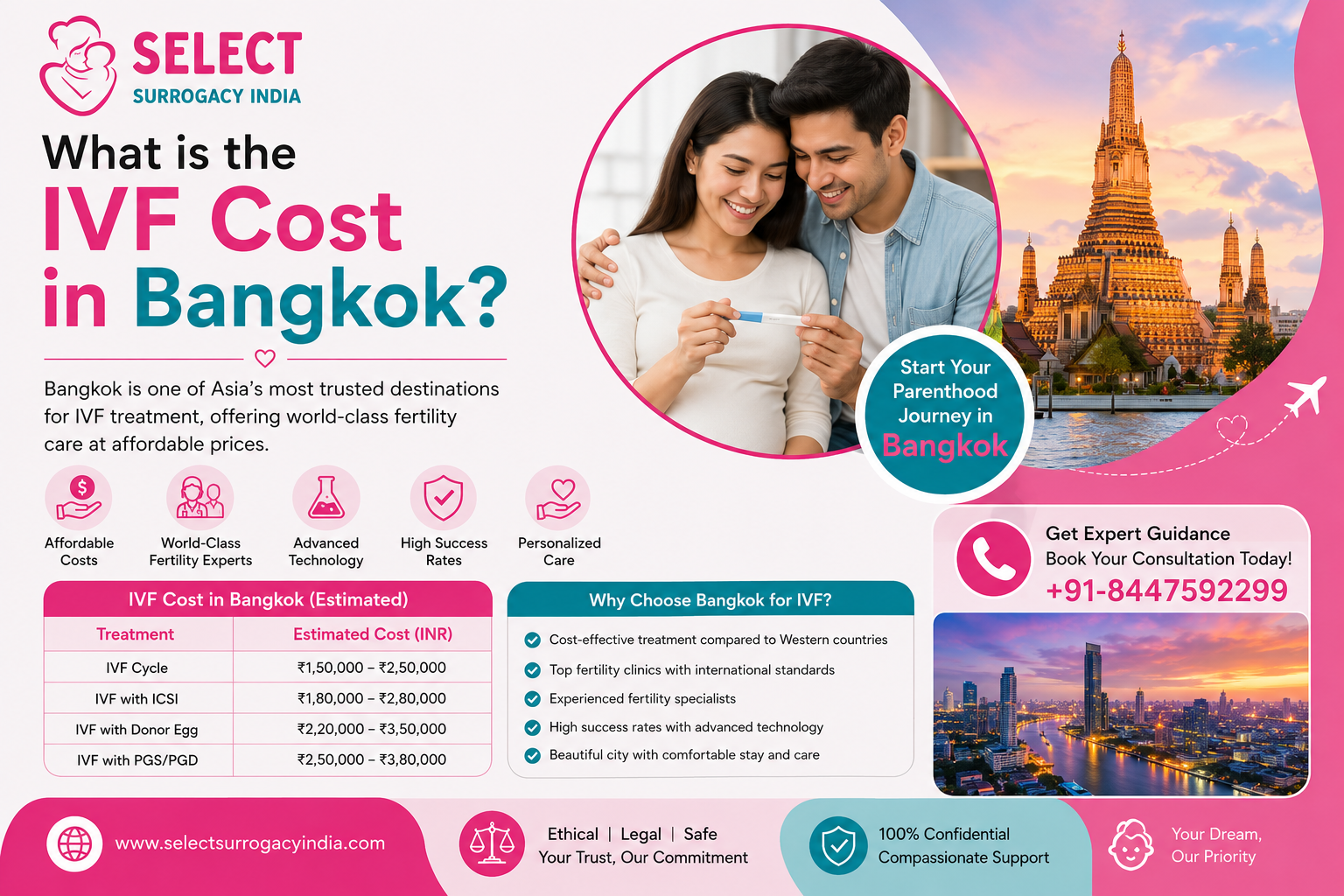
What is the IVF cost in Bangkok?
Starting a family is one of the biggest dreams for many couples. However, for some people, natural conception may become challenging due to infertility issues, age-related factors, medical conditions, or unexplained fertility problems. In such situations, In Vitro Fertilization (IVF) provides new hope by helping couples achieve pregnancy with the support of advanced reproductive technology. Bangkok, Thailand, has become a popular destination for fertility treatment because of its modern hospitals, experienced fertility specialists, advanced IVF laboratories, and affordable treatment options compared to many other countries. One of the most common questions couples ask before beginning their fertility journey is “What is the IVF cost in Bangkok?” The answer depends on several factors, including the fertility clinic, treatment plan, medications, laboratory procedures, and additional techniques required. On average, the IVF cost in Bangkok may range from around THB 250,000 to THB 500,000 or more per cycle, depending on individual requirements. Some Bangkok hospitals publish IVF packages that range from approximately THB 335,000 for standard IVF procedures to around THB 456,000 when additional genetic testing and embryo freezing are included. This complete guide explains everything about IVF costs in Bangkok, including treatment expenses, factors affecting pricing, IVF process, additional charges, and tips for choosing the right fertility centre. What is IVF? In Vitro Fertilization (IVF) is an advanced assisted reproductive technology where eggs and sperm are combined outside the body in a specialized laboratory to create embryos. Once healthy embryos develop, one or more embryos are transferred into the woman’s uterus with the hope of achieving pregnancy. The IVF process includes: IVF helps couples overcome different fertility challenges and has become one of the most widely used fertility treatments worldwide. IVF Cost in Bangkok The IVF cost in Bangkok varies depending on the clinic, medical requirements, and additional procedures involved. Generally, the estimated cost may include: IVF Treatment Component Cost Initial Consultation THB 2,000 – 5,000 Fertility Tests THB 10,000 – 30,000 IVF Cycle THB 250,000 – 450,000 ICSI Procedure THB 20,000 – 60,000 Embryo Freezing THB 20,000 – 50,000 Frozen Embryo Transfer THB 50,000 – 100,000 Genetic Testing (PGT/PGD) THB 100,000 – 250,000 Some clinics may provide IVF packages that combine several procedures together. For example, Bangkok Hospital lists packages covering ovarian stimulation, egg retrieval, embryo transfer, and options involving genetic testing and embryo freezing. Average IVF Package Cost in Bangkok A standard IVF cycle in Bangkok usually includes: The average IVF package cost may range between: Basic IVF Cycle: THB 250,000 – 350,000 IVF with ICSI: THB 300,000 – 450,000 IVF with Genetic Testing (PGT/PGD): THB 400,000 – 700,000+ The final cost depends on the couple’s fertility condition and the treatment approach recommended by the doctor. Factors Affecting IVF Cost in Bangkok The total IVF cost is different for every couple because fertility treatment is personalized. 1. Age of the Woman Female age is one of the biggest factors affecting IVF treatment. As age increases, egg quantity and quality may decrease, which can influence: 2. Fertility Tests Before IVF Before starting IVF, doctors usually recommend fertility assessments. These may include: Female Tests: Male Tests: These tests help doctors design the right treatment plan. 3. Fertility Medications Hormonal injections are an important part of IVF treatment because they stimulate the ovaries to produce multiple eggs. The cost of medication depends on: Some patients require higher medication doses, which may increase the overall IVF cost. 4. ICSI Procedure Some couples require Intracytoplasmic Sperm Injection (ICSI) along with IVF. In ICSI, a single sperm is directly injected into an egg to assist fertilization. Doctors may recommend ICSI in cases such as: This additional procedure increases the total treatment cost. 5. Embryo Freezing and Storage If multiple healthy embryos are created, couples may choose embryo freezing for future use. Additional expenses may include: 6. Genetic Testing Some couples choose genetic testing such as: These tests help identify certain genetic or chromosomal abnormalities before embryo transfer. Genetic testing is an additional procedure and increases the overall IVF cost. IVF Process in Bangkok Understanding the IVF process helps couples feel more prepared. Step 1: Consultation The journey begins with a consultation with a fertility specialist. The doctor reviews: Step 2: Ovarian Stimulation The woman receives fertility medications to stimulate egg production. During this stage, doctors monitor follicle growth through ultrasound and blood tests. Step 3: Egg Retrieval Once eggs mature, they are collected through a minor procedure. The procedure is usually performed under sedation. Step 4: Fertilization Collected eggs are combined with sperm in an IVF laboratory. Depending on the case, doctors may use: Step 5: Embryo Development Embryologists monitor embryo growth for several days. The healthiest embryo is selected for transfer. Step 6: Embryo Transfer The selected embryo is transferred into the uterus. The procedure is generally simple and does not require surgery. Step 7: Pregnancy Test After around 10–14 days, a blood test confirms whether pregnancy has occurred. Why Choose Bangkok for IVF Treatment? Bangkok has become a preferred fertility destination because of several advantages. Advanced Medical Facilities Many fertility centres in Bangkok use modern IVF laboratories and advanced reproductive technologies. Experienced Fertility Specialists Bangkok has many trained reproductive specialists who manage different types of infertility cases. Affordable Treatment Options Compared with some Western countries, IVF treatment in Bangkok can be more affordable while still offering advanced medical care. International Patient Support Many fertility centres provide support for overseas patients, including: Tips to Reduce IVF Expenses in Bangkok While IVF is a major investment, proper planning can help manage expenses. Compare Different Clinics Always compare: Ask About Hidden Charges Before starting treatment, ask whether the package includes: Maintain Healthy Lifestyle Healthy habits may support fertility treatment. Recommendations include: Best IVF Clinics in Bangkok Choosing the right fertility clinic is one of the most important decisions for couples planning IVF treatment. While understanding the IVF cost in Bangkok is necessary, the quality of medical care, experience of fertility specialists, laboratory facilities, and patient support are equally important. A good IVF centre does not only
Best Surrogacy Centre in Thailand: Trusted Fertility Experts
The journey of becoming parents is one of the most beautiful dreams in life. For many couples, holding their baby in their arms is a dream filled with love, hope, and countless emotions. However, some people face challenges due to medical conditions, fertility issues, or pregnancy-related complications that make natural pregnancy difficult or impossible. In such situations, surrogacy can provide a new ray of hope. Surrogacy is an advanced fertility option that allows intended parents to grow their family with the help of a surrogate mother who carries the pregnancy on their behalf. Over the years, Thailand has become a well-known destination for fertility treatments because of its advanced medical facilities, experienced fertility specialists, and patient-focused healthcare services. Many couples from different parts of the world explore Thailand for fertility solutions, including surrogacy-related guidance and treatment. Choosing the Best Surrogacy Centre in Thailand is an important decision because the journey involves medical procedures, emotional support, legal considerations, and careful coordination between intended parents, doctors, and the surrogate mother. A trusted surrogacy centre does more than provide medical treatment. It offers complete guidance, transparent communication, experienced specialists, ethical practices, and emotional support throughout the entire journey. In this detailed guide, we will discuss everything you need to know about surrogacy, including how it works, the process, cost factors, benefits, legal considerations, and some of the leading surrogacy centres that intended parents may consider. What is Surrogacy? Surrogacy is a fertility arrangement where a woman, known as a surrogate mother, agrees to carry and give birth to a baby for another individual or couple, known as the intended parents. The surrogate mother carries the pregnancy but may or may not have a genetic connection with the baby, depending on the type of surrogacy used. Surrogacy is usually considered by people who are unable to experience pregnancy due to medical reasons. It provides an opportunity for intended parents to have a child with the help of assisted reproductive technology. During the surrogacy process, fertility specialists usually create embryos through In Vitro Fertilization (IVF). The embryo is then transferred into the surrogate mother’s uterus, where it develops throughout the pregnancy. The entire process involves: A successful surrogacy journey requires proper planning, trust, communication, and expert guidance. Why Do Couples Choose Surrogacy? Every family’s journey is different. Some couples may naturally conceive but cannot safely continue a pregnancy, while others may face fertility challenges that make carrying a baby difficult. Some common reasons why people consider surrogacy include: Medical Conditions Affecting Pregnancy Certain medical conditions can make pregnancy risky or unsafe. In such situations, doctors may recommend surrogacy as a safer alternative. Examples include: Absence of the Uterus Some women are unable to carry a pregnancy because they were born without a uterus or have had their uterus removed due to medical reasons. Surrogacy can provide an opportunity for these women to have a genetically related child. Repeated IVF Failures Some couples experience multiple unsuccessful IVF attempts. In selected cases, doctors may suggest surrogacy if carrying a pregnancy is considered a challenge. Same-Sex Couples Surrogacy may be an option for some same-sex couples who wish to become parents with the help of assisted reproductive technology. Single Parents Single individuals who wish to have a biological child may also explore surrogacy options depending on legal regulations and medical eligibility. Types of Surrogacy Understanding different types of surrogacy is important before starting the journey. There are mainly two types of surrogacy: 1. Gestational Surrogacy Gestational surrogacy is the most commonly used type of surrogacy today. In this method, the surrogate mother carries an embryo created through IVF, but she has no genetic relationship with the baby. The embryo may be created using: This method is preferred because it reduces emotional and legal complications related to genetic connection. 2. Traditional Surrogacy Traditional surrogacy involves using the surrogate mother’s own egg along with sperm from the intended father or a donor. Because the surrogate mother is genetically related to the baby, this method is less commonly used today due to ethical and legal complexities. Most modern fertility centres focus on gestational surrogacy because it provides clearer medical and legal arrangements. How Does Surrogacy Work? The surrogacy process involves several important steps. Each stage requires careful medical planning and coordination. Step 1: Consultation and Planning The journey begins with a consultation where intended parents meet fertility specialists. During this stage, doctors evaluate: The fertility team explains available options and creates a suitable treatment plan. Step 2: IVF and Embryo Creation The intended mother’s eggs (or donor eggs) are collected and fertilized with sperm in an IVF laboratory. After fertilization, embryos are monitored carefully by embryologists. Healthy embryos are selected for transfer. Step 3: Selecting a Surrogate Mother A surrogate mother undergoes medical screening before being accepted for treatment. The screening process may include: This ensures that the surrogate is physically and emotionally prepared for pregnancy. Step 4: Embryo Transfer The selected embryo is transferred into the surrogate mother’s uterus. If implantation occurs successfully, the surrogate mother becomes pregnant. Step 5: Pregnancy Monitoring Throughout the pregnancy, regular medical check-ups are performed to monitor the health of both the surrogate mother and the baby. Doctors provide continuous guidance and support during pregnancy. Step 6: Birth and Handover Process After delivery, the baby is welcomed by the intended parents according to the legal agreement and applicable regulations. The medical and legal teams help ensure that the process is handled smoothly. Why Choosing the Right Surrogacy Centre Matters Selecting the right centre is one of the most important steps in the surrogacy journey. A reliable surrogacy centre provides: Experienced Fertility Specialists Experienced doctors understand complex fertility cases and create personalized treatment plans. Advanced IVF Laboratory A high-quality laboratory plays a major role in embryo development and fertility treatment success. Ethical Practices A trusted centre follows ethical medical practices and prioritizes the safety and well-being of everyone involved. Emotional Support Surrogacy is not only a medical process. It is an emotional journey for intended
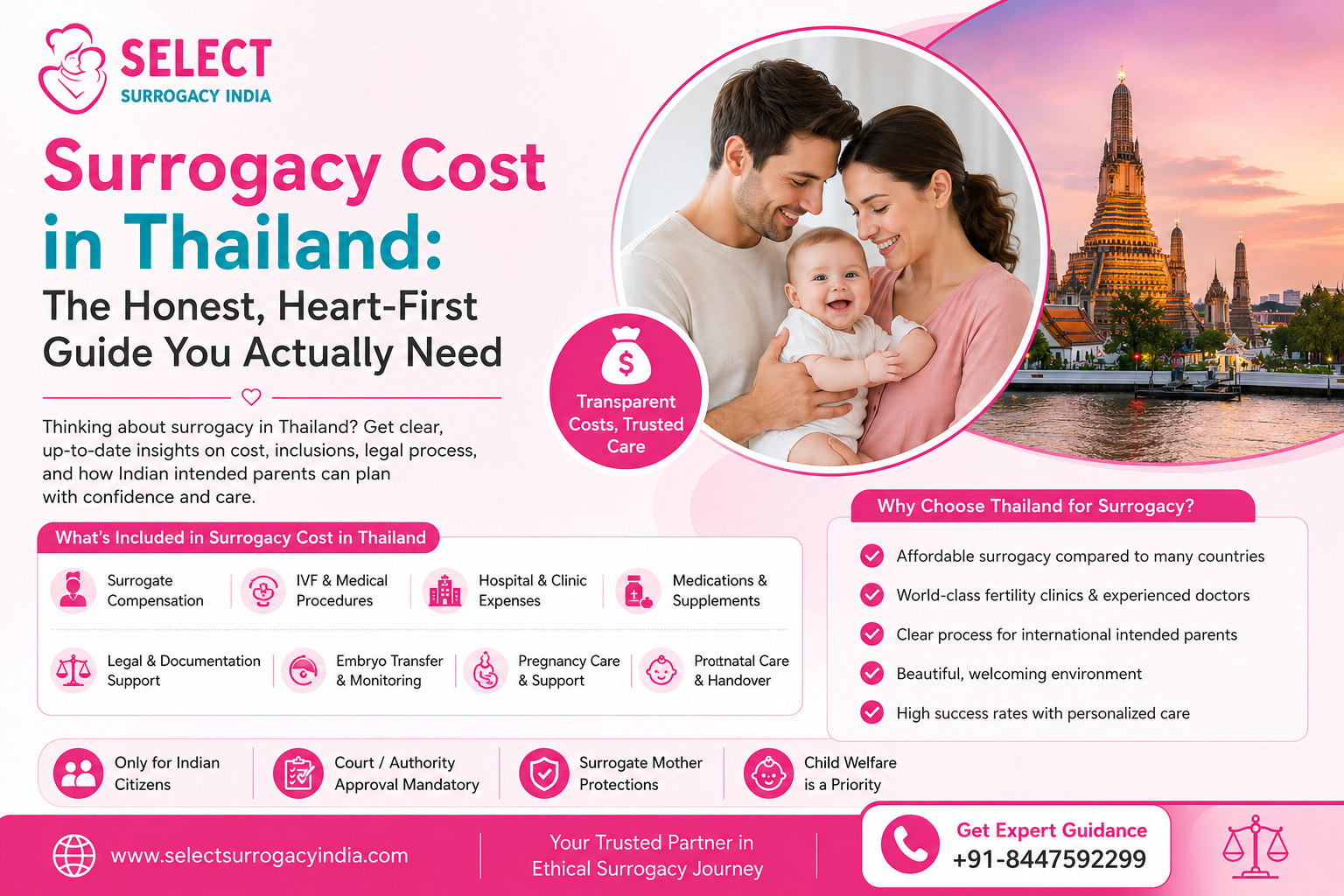
Surrogacy Cost in Thailand: The Honest, Heart-First Guide You Actually Need
Hi there. If you’ve been quietly typing “Surrogacy Cost in Thailand” into search bars late at night, hoping to find a clear number and a clear path forward, we want to be the friend who sits down with you and tells you the whole truth — gently, but honestly. Because here’s the thing: this topic isn’t as simple as a price list, and anyone who hands you one without explaining the legal picture first isn’t doing you any favors. Maybe you’ve been dreaming about this for a while now. Maybe you saw an old blog post, or heard a story from a friend of a friend who “did surrogacy in Thailand years ago,” and it planted a hopeful little seed that this could be your path too. We completely understand why — Thailand has such a warm reputation in the medical travel world, and for a while, it genuinely was one of the most popular surrogacy destinations on earth. So it makes total sense that your research would lead you here. But things have changed a lot since those stories were first told, and we’d rather walk you through exactly what’s true today than let you build hope around information that’s years out of date. So let’s do this properly, together. Grab your tea, get comfy, and let’s talk through what’s actually happening with surrogacy in Thailand right now, what it might cost in the situations where it’s genuinely legal, why so many well-meaning couples get this wrong, what’s changing on the legislative front, and what your real options look like if Thailand isn’t the fit you were hoping for right now. Let’s Start With the Part Nobody Wants to Hear, But Everyone Needs To Here’s the honest truth, stated plainly: commercial surrogacy is illegal in Thailand, and it has been since 2015 — and as things currently stand, foreign couples generally cannot access surrogacy in Thailand at all, whether commercial or otherwise, unless very specific conditions are met. Back in 2015, Thailand passed the Protection of Children Born from Assisted Reproductive Technologies Act (often just called the Surrogacy Act) after a string of deeply troubling scandals — including a case involving an Australian couple who left behind a baby with Down syndrome, and another involving a man who fathered more than a dozen children through Thai surrogates. Those cases made international headlines and pushed Thailand’s government to shut down what had become an unregulated “wombs for rent” industry. Since 2015, the law has limited surrogacy to a very narrow group: married heterosexual couples where at least one spouse is Thai, or in some cases fully Thai couples, with the surrogate required to be a blood relative of the intended parents, already a mother herself, and legally married. Payment beyond reasonable medical and living expenses is strictly prohibited — meaning there’s no “surrogate fee” in the way people imagine from places like the United States. For fully foreign couples with no Thai nationality involved, current law simply does not permit surrogacy arrangements in Thailand at all. It’s worth sitting with why the law changed this way, because it genuinely wasn’t a random bureaucratic decision. Before 2015, Thailand had become known internationally as one of the easiest, most affordable places on earth to arrange a commercial surrogacy — and with that reputation came real problems. Because the industry was so loosely regulated, there was very little protection for the women acting as surrogates, many of whom came from lower-income backgrounds and had limited legal recourse if something went wrong. There was also very little protection for the resulting children when disputes arose over parentage, citizenship, or care. The government’s response, while strict, was ultimately built around trying to prevent exactly those kinds of harms from happening again — even though, understandably, it also closed a door that many hopeful international families had been counting on. We know that’s probably not what you were hoping to read. But we’d rather be the honest voice in your search results than the one that quietly costs you money, heartbreak, or worse, a genuine legal problem later on. Wait, But I’ve Seen Articles Talking About Surrogacy Costs in Thailand — What’s Going On? Totally fair question, and here’s the nuance behind it. You’ll find plenty of older content online — some of it years out of date — still quoting figures like USD 40,000 to USD 60,000 for “surrogacy in Thailand,” a holdover from before the 2015 crackdown, when the country genuinely was one of the world’s most popular commercial surrogacy destinations for international couples. Some of these articles simply haven’t been updated. Others, unfortunately, are written by facilitators still trying to attract international clients into arrangements that sit somewhere between legally grey and outright unlawful. It’s a genuinely tricky thing to navigate as a hopeful parent, because these older articles are often written with real warmth and confidence, filled with reassuring language about “affordable,” “trusted,” and “hassle-free” surrogacy journeys. There’s nothing about the tone that signals anything is wrong, which is exactly what makes it so easy for well-meaning couples to be misled. A well-designed website with a friendly patient coordinator on the other end of a chat box doesn’t automatically mean the arrangement being offered is legal — and sadly, some agencies are fully aware their offer sits outside current Thai law, and simply choose not to mention it upfront. There’s also real, current news worth knowing about: as of mid-2026, Thailand’s Department of Health Service Support has opened a public consultation (running through the end of July 2026) on a revised surrogacy bill that could, if passed, allow foreign married couples to access surrogacy again — under conditions so strict they’d make a stricter bank loan application look relaxed. Early proposals suggest the surrogate would need to share nationality with one of the intended parents, and commercial arrangements would still carry severe criminal penalties, up to 10 years in prison and fines reaching THB 2 million. As of today, though, this
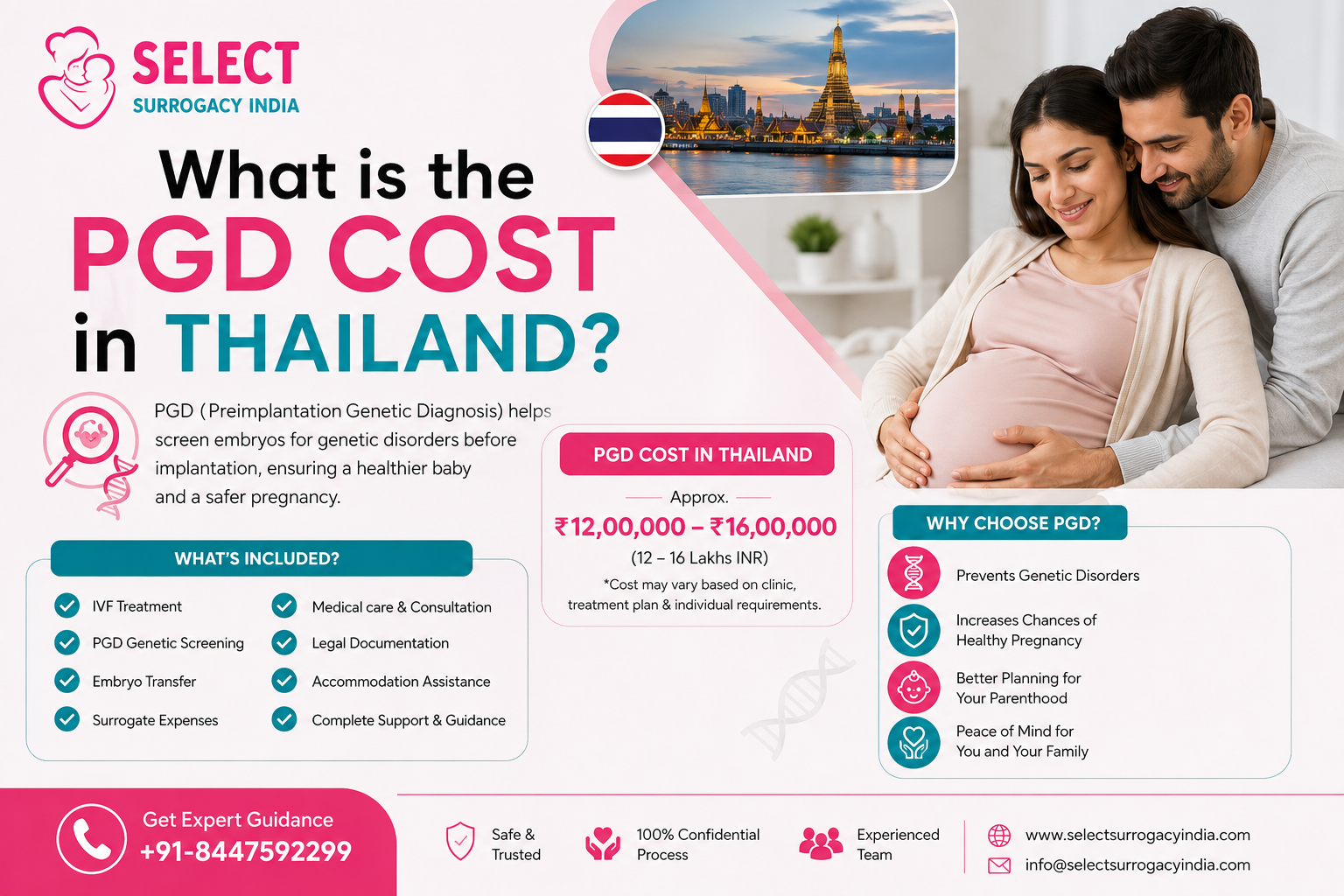
What is the PGD cost in Thailand?
Sometimes, the journey to becoming parents needs a little extra care. For many couples, fertility treatment is not only about achieving pregnancy but also about giving their future child the healthiest possible start in life. If there is a family history of inherited diseases, repeated IVF failures, or recurrent miscarriages, doctors may recommend a specialized procedure called Preimplantation Genetic Diagnosis (PGD). Thailand has become one of Asia’s leading destinations for advanced fertility treatment because of its experienced fertility specialists, modern IVF laboratories, and international healthcare standards. Every year, many local and international patients travel to Thailand for IVF combined with genetic testing. One of the first questions patients ask is, “What is the PGD cost in Thailand?“ The answer depends on several factors, including the fertility clinic, the IVF treatment plan, laboratory technology, the number of embryos tested, and individual medical requirements. This guide explains everything you need to know about the PGD Cost in Thailand, including average treatment costs, factors affecting the price, the PGD procedure, benefits, and important information to help you make an informed decision. What is PGD? Preimplantation Genetic Diagnosis (PGD) is an advanced genetic testing technique performed during an IVF cycle. Before embryos are transferred into the uterus, a few cells are carefully removed from each embryo and examined in a specialized laboratory to identify certain inherited genetic disorders. The purpose of PGD is to help doctors select embryos that are free from specific genetic conditions before pregnancy begins. Unlike routine IVF, PGD adds an additional layer of genetic screening, making it especially valuable for couples with known hereditary medical conditions. Who May Benefit from PGD? Your fertility specialist may recommend PGD if you have one or more of the following situations: Not every IVF patient requires PGD. The decision depends on your medical history and genetic counselling. Why Choose Thailand for PGD Treatment? Thailand has gained international recognition for offering advanced reproductive medicine supported by modern laboratory technology and experienced fertility specialists. Some reasons why patients choose Thailand include: Experienced Fertility Specialists Many fertility clinics have reproductive endocrinologists and embryologists who specialize in advanced IVF and genetic testing procedures. Modern Genetic Laboratories Accurate genetic testing depends on high-quality laboratories equipped with advanced technology and strict quality control systems. Personalized Treatment Every patient receives an individualized treatment plan based on fertility history, age, medical reports, and genetic counselling. International Patient Services Many fertility centres provide assistance with travel planning, appointment scheduling, interpreter services, and accommodation guidance for overseas patients. Comprehensive Fertility Care Patients can receive fertility evaluation, IVF, embryo culture, PGD, embryo freezing, and follow-up care within the same fertility centre. PGD Cost in Thailand The PGD Cost in Thailand depends on several components because PGD is performed alongside an IVF cycle rather than as a standalone procedure. On average: The final amount varies depending on: Because every fertility journey is different, patients should always request a personalized treatment estimate after their consultation. Average PGD Cost Breakdown in Thailand Treatment Component Cost (THB) Initial Consultation 1,500–5,000 Fertility Evaluation 10,000–30,000 IVF Cycle 250,000–450,000 ICSI (if required) 20,000–50,000 PGD Testing 100,000–250,000 Embryo Biopsy Often included with PGD Embryo Freezing 20,000–50,000 Annual Embryo Storage 10,000–25,000 Pregnancy Blood Test 1,000–3,000 Factors That Affect PGD Cost in Thailand Every patient’s treatment plan is unique. Several factors influence the overall PGD Cost in Thailand. 1. Number of Embryos Tested One of the biggest factors affecting the total cost is the number of embryos sent for genetic testing. More embryos usually require additional laboratory work, which may increase the overall price. 2. IVF Treatment Requirements PGD is performed during an IVF cycle. If additional fertility medications or advanced laboratory procedures are required, the total treatment cost will be higher. 3. Use of ICSI Many fertility specialists recommend Intracytoplasmic Sperm Injection (ICSI) along with PGD to reduce the possibility of contamination during genetic testing. If ICSI is required, it adds to the total treatment cost. 4. Laboratory Technology Different fertility centres use different genetic testing platforms and laboratory technologies. Advanced laboratories often provide highly accurate testing but may charge higher fees. 5. Fertility Clinic The reputation, experience of specialists, quality of laboratory facilities, and level of patient care can all influence the overall PGD Cost in Thailand. 6. Embryo Freezing After PGD testing, embryos are commonly frozen while genetic results are being analyzed. Embryo freezing and annual storage fees may be charged separately depending on the clinic. Is PGD Worth the Cost? For many families, PGD is about much more than an additional medical expense. It offers the opportunity to reduce the risk of passing certain inherited genetic conditions to future children and can provide reassurance during the fertility journey. While the PGD Cost in Thailand may seem significant, many couples consider it a valuable investment because it supports informed embryo selection and may improve treatment planning in suitable cases. However, PGD is not necessary for everyone. Your fertility specialist and genetic counsellor will determine whether this procedure is appropriate based on your medical history and individual circumstances. Step-by-Step PGD Process in Thailand Understanding the treatment process can help patients feel more prepared before starting their fertility journey. Although every treatment plan is personalized, the PGD procedure usually follows these steps. Step 1: Initial Consultation The journey begins with a detailed consultation with a fertility specialist. During this appointment, the doctor reviews your medical history, fertility reports, previous pregnancies, family history of genetic disorders, and any previous IVF treatments. If there is a possibility of an inherited genetic condition, the doctor may recommend genetic counselling before beginning treatment. Step 2: Fertility Evaluation Both partners undergo fertility investigations to assess their reproductive health. These tests may include: For Women For Men The results help the fertility specialist prepare a personalized IVF and PGD treatment plan. Step 3: Ovarian Stimulation The woman receives fertility medications to stimulate the ovaries and encourage the development of multiple mature eggs. During this phase, regular ultrasound scans and blood tests are performed to monitor the growth of the
Best IVF Cost in Thailand: A Warm, Complete Guide for Hopeful Parents
If you’ve landed here, you’re probably somewhere in the middle of the same late-night research spiral so many of us go through — comparing countries, comparing clinics, and trying to make sense of numbers that seem to change depending on which website you’re reading. Take a breath. You’re not doing anything wrong by being this thorough. Choosing where to pursue IVF is one of the biggest, most personal decisions a couple can make, and getting a clear picture of the Best IVF Cost in Thailand is a completely reasonable place to start. Maybe you’ve already spent a few evenings comparing quotes from clinics back home, feeling your stomach drop a little every time a new number came in higher than the last. Or maybe someone in your life mentioned Thailand almost casually — “have you thought about going abroad for this?” — and that one comment sent you down this exact research path. Wherever you’re starting from, it’s completely okay to feel a mix of hope and overwhelm at the same time. That’s just what this journey feels like for most people. Thailand has quietly become one of Asia’s most trusted fertility travel destinations, and it’s not hard to see why. You get internationally accredited hospitals, doctors trained around the world, modern embryology labs, and prices that are often a fraction of what you’d pay back home — all wrapped up in a country that’s genuinely lovely to spend a few weeks in while you go through treatment. In this guide, we’re going to walk through exactly what you can expect to pay, what drives that price up or down, which providers and clinics come up again and again in patient conversations, what the actual treatment process looks like week by week, and how to make sure you choose the right partner for something this important. Why So Many Couples Are Searching for the Best IVF Cost in Thailand Let’s start with the honest reason most people end up here in the first place: money. IVF is expensive almost everywhere, and in countries like the US, UK, or Australia, a single cycle can easily eat into savings that took years to build. When couples start comparing the Best IVF Cost in Thailand against what they’d pay at home, the difference is often striking enough to change the entire plan — sometimes cutting the total bill by half or more. But cost isn’t the only draw. Thailand’s fertility clinics have built a genuine reputation for combining affordability with real clinical quality — JCI-accredited hospitals, embryologists trained internationally, and success rates that hold up well against Western benchmarks. Add in shorter waiting times than many home countries, warm hospitality, and the option to recover somewhere beautiful instead of rushing back to work the next day, and it starts to make a lot of sense why Thailand keeps showing up on so many international fertility shortlists. So, What Is the Best IVF Cost in Thailand? The Real Numbers Here’s the number everyone actually wants: a single IVF cycle in Thailand typically costs somewhere between USD 3,500 and USD 8,000, with many standard packages landing around USD 4,500 to USD 6,500. More premium hospitals in central Bangkok, or cycles that include advanced add-ons like ICSI, PGT-A genetic testing, or donor eggs, can push the total up to USD 10,000–15,000. To put that in perspective, the same treatment in the United States or parts of Western Europe often costs USD 12,000 to USD 20,000 or more per cycle — meaning patients travelling to Thailand can realistically save 50% to 70% on the exact same core treatment, even after factoring in flights and accommodation. Of course, “the Best IVF Cost in Thailand” isn’t a single fixed number — it depends heavily on your personal situation, which clinic you choose, and what’s actually included in the quoted price. Let’s break that down properly. What’s Actually Included in a Thailand IVF Package? One thing that makes Thailand genuinely appealing is how many clinics offer clear, bundled packages rather than a confusing mess of separate line-item bills. A typical standard IVF package usually includes: What’s often not included, and worth asking about directly: anesthesia fees, advanced genetic testing like PGT-A or PGT-M, embryo freezing and annual storage fees, donor egg or sperm programs, and any additional frozen embryo transfers beyond the first one. Always ask your chosen provider for a full written breakdown so you know exactly what the Best IVF Cost in Thailand looks like for your specific treatment plan, not just the headline number on their website. Factors That Push the Cost Up or Down Just like anywhere else in the world, your personal medical situation plays a huge role in your final bill. Here’s what tends to move the needle most: Your age and ovarian reserve. Younger patients generally need lower medication doses, which keeps costs down. Women over 35, or those with diminished ovarian reserve, often need higher doses and closer monitoring, which raises both the medication bill and the number of paid visits. Whether you need ICSI. If male-factor infertility is part of the picture, ICSI (where a single healthy sperm is injected directly into the egg) is usually recommended, adding a few hundred to a couple thousand dollars to the base cost. Genetic testing (PGT-A/PGT-M). Testing embryos for chromosomal abnormalities before transfer is optional but increasingly popular, especially for older patients or those with a history of miscarriage. This can add anywhere from USD 1,500 to USD 4,000 or more, depending on the number of embryos tested. Donor eggs or sperm. If you need donor gametes, expect the total to climb significantly, since donor programs involve additional screening, matching, and legal documentation. Clinic location and prestige. A flagship hospital in central Bangkok with a long track record and high-end amenities will typically cost more than a smaller, independent clinic — though smaller clinics can still offer excellent quality and lower overhead costs. Number of cycles needed. Not everyone conceives on the first
What is the IVF cost in Thailand?
Sometimes, the journey to becoming parents doesn’t begin with a positive pregnancy test—it begins with hope, courage, and the decision to keep trying. Every couple has a different story. Some wait for months, others for years. Along the way, there may be questions, emotions, and moments of uncertainty. But thanks to modern fertility treatments, many families have found a new path toward parenthood. If you’re exploring fertility treatment abroad, Thailand has become one of the most popular destinations for IVF. The country is known for its experienced fertility specialists, advanced medical technology, internationally accredited hospitals, and patient-friendly healthcare services. Many international couples choose Thailand because it offers high-quality fertility care along with modern facilities and personalised treatment. One of the first questions that comes to mind is, “What is the IVF cost in Thailand?” The answer depends on several factors, including your medical condition, the fertility clinic you choose, medications, laboratory procedures, and whether additional treatments are required. Understanding these costs in advance helps you plan your treatment with confidence and avoid unexpected expenses. In this comprehensive guide, we’ll explain everything you need to know about the IVF Cost in Thailand, including average treatment costs, factors that affect pricing, the best fertility clinics, additional expenses, and helpful tips for choosing the right IVF centre. Why Choose Thailand for IVF Treatment? Thailand has earned an excellent reputation as one of Asia’s leading destinations for fertility treatment. Patients from countries around the world travel here because of its combination of experienced doctors, advanced reproductive technology, and high-quality patient care. Some of the reasons why couples choose Thailand include: Many fertility centres also provide dedicated coordinators who assist overseas patients with appointments, travel planning, accommodation guidance, and follow-up care. What is IVF? In Vitro Fertilization (IVF) is an advanced fertility treatment that helps couples who are unable to conceive naturally. During IVF, mature eggs are collected from the ovaries and fertilised with sperm in a specialised laboratory. The resulting embryos are carefully monitored for several days before one or more healthy embryos are transferred into the uterus. Doctors may recommend IVF for conditions such as: Every treatment plan is customised according to the patient’s fertility condition, age, medical history, and reproductive health. IVF Cost in Thailand One of the biggest reasons many international patients consider Thailand is its balance between quality healthcare and treatment costs. On average, the IVF Cost in Thailand typically ranges between THB 250,000 and THB 450,000 for one complete IVF cycle. The total amount depends on several factors, including the fertility clinic, medications, laboratory procedures, and whether additional treatments such as ICSI, embryo freezing, or genetic testing are required. Patients should remember that IVF is not a single procedure. It includes multiple medical steps such as consultations, fertility tests, ovarian stimulation, egg retrieval, fertilisation, embryo culture, embryo transfer, and follow-up care. Because every patient has unique medical needs, the final treatment cost may vary. Average IVF Cost Breakdown in Thailand Treatment Estimated Cost (THB) Initial Consultation 1,500 – 5,000 Fertility Tests 10,000 – 30,000 Ultrasound Monitoring 5,000 – 15,000 Fertility Medications 50,000 – 120,000 Egg Retrieval Usually included in IVF package Laboratory Fertilisation Usually included Embryo Transfer Usually included Pregnancy Blood Test 1,000 – 3,000 Embryo Freezing (Optional) 20,000 – 50,000 Annual Embryo Storage 10,000 – 25,000 Note: These are estimated costs. The final price depends on the fertility clinic, treatment plan, medications, and additional procedures recommended by your doctor. What Factors Affect IVF Cost in Thailand? No two fertility journeys are exactly the same. Several factors influence the overall IVF Cost in Thailand. 1. Female Age Age plays an important role in fertility treatment. As women get older, egg quality and ovarian reserve naturally decline. Some patients may require higher doses of medication or additional IVF cycles, increasing the overall treatment cost. 2. Fertility Diagnosis The underlying cause of infertility affects both the treatment plan and the total cost. Conditions that may require specialised care include: 3. Fertility Medications Hormonal injections are used to stimulate the ovaries before egg retrieval. Since medication requirements vary from patient to patient, medication costs can differ significantly. 4. Laboratory Techniques Some couples require advanced reproductive techniques, including: Each additional procedure can increase the total treatment cost. 5. Number of IVF Cycles Some patients achieve pregnancy during their first IVF cycle, while others may need multiple treatment cycles depending on their medical condition. Every additional cycle adds to the overall expense. 6. Choice of Fertility Clinic The reputation of the clinic, the experience of the doctors, laboratory quality, and patient services all influence the IVF Cost in Thailand. Clinics with advanced facilities and internationally experienced specialists may charge higher fees, but they often provide comprehensive care and personalised treatment. Is IVF in Thailand Worth the Cost? For many couples, IVF is not simply a medical treatment—it is an investment in the dream of starting or growing a family. While comparing treatment costs is important, choosing a fertility clinic based only on the lowest price may not always be the best decision. Factors such as experienced fertility specialists, advanced laboratory facilities, transparent pricing, personalised treatment, and compassionate patient care are equally important. A trusted fertility clinic can guide you through every stage of the journey, answer your questions honestly, and provide the support you need during one of the most important moments of your life. What’s Included in the IVF Cost in Thailand? When researching the IVF cost in Thailand, many couples focus only on the total price. However, it’s equally important to understand what is included in the treatment package. Every fertility clinic has its own pricing structure, so the services covered may vary. A standard IVF package in Thailand typically includes: Some fertility clinics may also include basic counselling sessions and nursing support. Before starting treatment, always ask for a detailed breakdown of the package so you know exactly what is covered and whether there are any additional charges. Additional Costs You Should Know Besides the standard IVF package, there may