Starting a family is a dream shared by many couples. While some people conceive naturally, others may need medical support because of infertility or other reproductive health conditions. Thanks to advancements in fertility treatment, In Vitro Fertilization (IVF) has become one of the most effective options for couples who are struggling to achieve pregnancy.
Nigeria has seen significant growth in fertility care over the past few years. Many fertility centres now offer advanced IVF treatments using modern laboratory technology and experienced fertility specialists. As a result, both local and international patients choose Nigeria for fertility treatment.
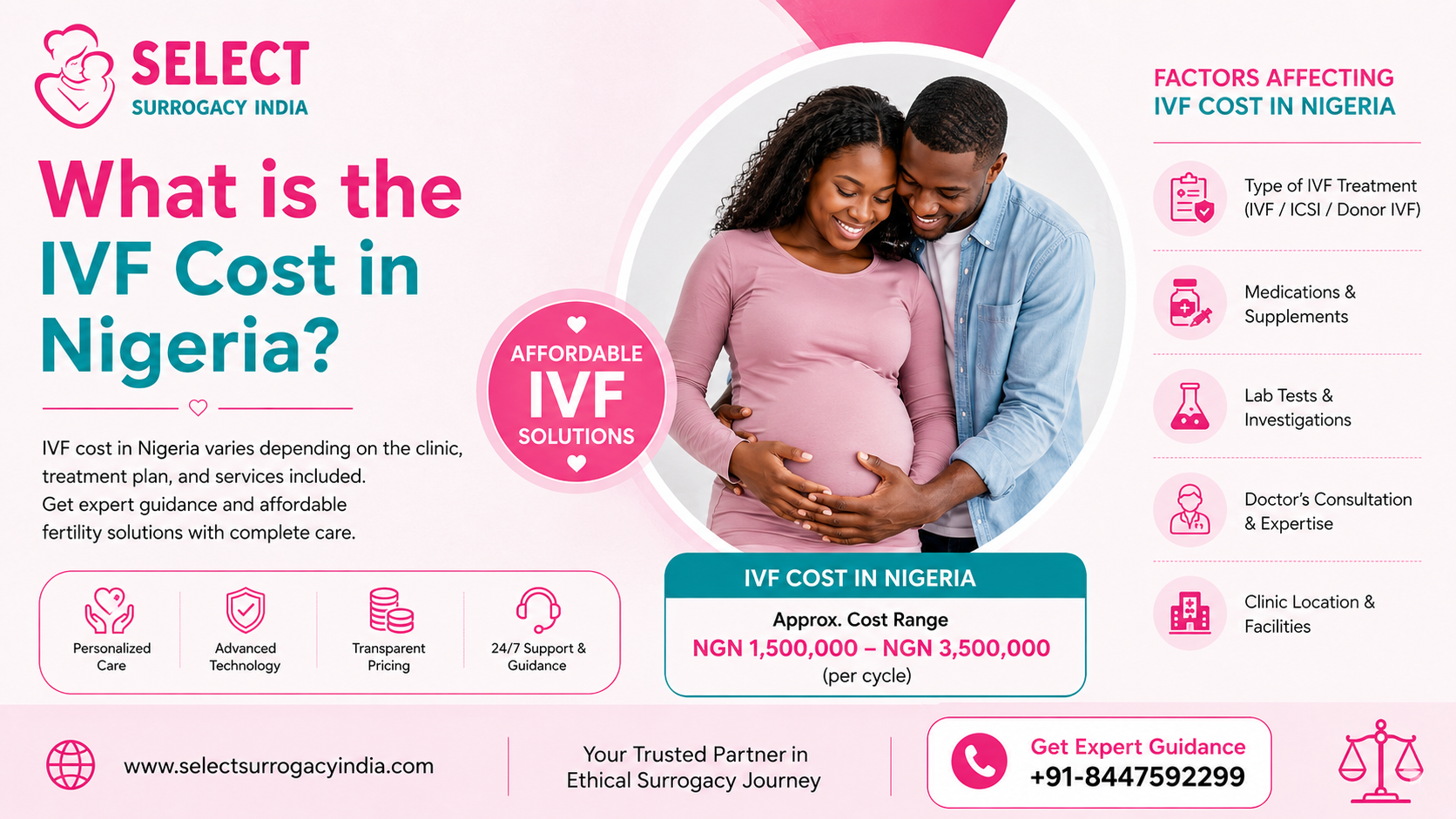
One of the first questions couples usually ask is “What is the IVF Cost in Nigeria?“
The answer depends on several factors, including the fertility clinic, medications, laboratory procedures, doctor’s experience, and any additional treatments required during the IVF cycle.
In general, the IVF Cost in Nigeria may range from ₦1,200,000 to ₦3,000,000 or more per cycle, while the final amount may increase if procedures such as ICSI, embryo freezing, donor eggs, donor sperm, or genetic testing are required.
This complete guide explains everything you need to know about IVF Cost in Nigeria, including the treatment process, cost breakdown, factors affecting the price, benefits, success rate, risks, and tips for choosing the right fertility centre.

What is IVF?
In Vitro Fertilization (IVF) is an advanced fertility treatment in which eggs and sperm are combined in a laboratory to create embryos. Once healthy embryos develop, one or more are transferred into the woman’s uterus with the goal of achieving pregnancy.
IVF is recommended when other fertility treatments are not suitable or have not been successful.
The treatment has helped millions of couples around the world become parents and continues to be one of the most widely used assisted reproductive technologies.
Who May Need IVF?
Doctors may recommend IVF for individuals or couples experiencing fertility challenges such as:
- Blocked or damaged fallopian tubes
- Low sperm count
- Poor sperm motility
- Ovulation disorders
- Endometriosis
- Unexplained infertility
- Advanced maternal age
- Repeated IUI failure
- Certain genetic conditions requiring advanced fertility treatment
The decision to proceed with IVF is always based on a complete fertility evaluation.
IVF Cost in Nigeria
The IVF Cost in Nigeria varies depending on the fertility centre, treatment protocol, medications, and additional procedures.
Below is an approximate cost breakdown.
| Treatment | Cost (NGN) |
| Initial Consultation | ₦50,000 – ₦150,000 |
| Fertility Tests | ₦100,000 – ₦400,000 |
| Fertility Medicines | ₦400,000 – ₦1,200,000 |
| IVF Procedure | ₦1,200,000 – ₦2,500,000 |
| ICSI (if required) | Additional charges may apply |
| Embryo Freezing | ₦150,000 – ₦500,000 |
| Frozen Embryo Transfer | ₦300,000 – ₦800,000 |
Factors Affecting IVF Cost in Nigeria
Several factors determine the overall cost of IVF treatment.
1. Fertility Centre
Each fertility clinic has its own pricing structure.
Clinics with experienced fertility specialists, advanced embryology laboratories, and comprehensive patient care may charge higher fees.
2. Fertility Medications
Medication is one of the biggest contributors to the total IVF cost.
The amount of medicine required depends on:
- Age
- Ovarian reserve
- Hormone levels
- Individual response to stimulation
Some patients require fewer medications, while others need higher doses.
3. Laboratory Procedures
The IVF laboratory is responsible for:
- Fertilization
- Embryo culture
- Embryo monitoring
- Embryo transfer preparation
Modern laboratories with advanced equipment and experienced embryologists may increase treatment costs but also play an important role in maintaining high-quality laboratory standards.
4. ICSI Treatment
Some couples require Intracytoplasmic Sperm Injection (ICSI) in addition to IVF.
ICSI is often recommended for:
- Male infertility
- Low sperm count
- Poor sperm movement
- Previous fertilization failure
Since ICSI is an additional laboratory procedure, it usually increases the total treatment cost.
5. Embryo Freezing
If healthy embryos remain after the first embryo transfer, they may be frozen for future use.
Embryo freezing may reduce the need for repeating the complete IVF process in a future treatment cycle.
However, freezing and storage involve additional charges.
6. Additional Fertility Treatments
Some patients may also require:
- Donor eggs
- Donor sperm
- Genetic testing (PGT/PGD)
- Assisted hatching
- Frozen embryo transfer
Each of these procedures adds to the overall treatment cost.
Why Understanding the Cost is Important
Before beginning IVF treatment, ask your fertility centre for a detailed breakdown that clearly includes:
- Consultation fees
- Fertility tests
- Medicines
- IVF procedure
- Laboratory charges
- Embryo transfer
- Embryo freezing (if needed)
- Follow-up visits
Understanding the complete cost helps couples plan their treatment more confidently and avoid unexpected expenses during the IVF journey.
IVF Process in Nigeria
Understanding the IVF process can help couples feel more prepared before starting their fertility journey. Although every patient’s treatment plan is different, the basic steps of IVF remain similar.
The complete IVF cycle usually takes around 4 to 6 weeks, depending on the patient’s response to medications and the treatment protocol recommended by the fertility specialist.
Step 1: Initial Fertility Consultation
The IVF journey begins with a detailed consultation with a fertility specialist.
During the first appointment, the doctor evaluates:
- Medical history
- Previous pregnancy history
- Menstrual cycle information
- Previous fertility treatments
- Hormone reports
- Ultrasound results
- Semen analysis reports
The doctor may recommend additional tests to understand the exact cause of infertility.
After reviewing all reports, the specialist prepares a personalized IVF treatment plan.
Step 2: Ovarian Stimulation
In this stage, fertility medications are given to stimulate the ovaries.
Normally, a woman produces one mature egg during a menstrual cycle. IVF medications help the ovaries develop multiple eggs, increasing the chances of creating healthy embryos.
During ovarian stimulation, doctors regularly monitor:
- Follicle growth
- Hormone levels
- Ovarian response
Monitoring helps doctors adjust medication doses according to the patient’s condition.
Step 3: Egg Retrieval
Once the eggs reach the required maturity, the fertility specialist performs egg retrieval.
During this procedure:
- The patient receives mild sedation
- A thin needle is used to collect eggs from the ovaries
- The procedure is performed under ultrasound guidance
The collected eggs are immediately transferred to the IVF laboratory for fertilization.
Step 4: Sperm Collection and Preparation
On the day of egg retrieval, a sperm sample is collected from the male partner.
The laboratory team prepares the sperm by selecting the healthiest and most active sperm cells.
In cases of male infertility, doctors may recommend advanced procedures such as ICSI.
Step 5: Fertilization and Embryo Development
The collected eggs and sperm are combined in the laboratory.
Depending on the patient’s condition, fertilization may be performed through:
- Conventional IVF
- ICSI treatment
After fertilization, embryos are carefully monitored by embryologists for several days.
The embryology team evaluates:
- Embryo development
- Cell division
- Embryo quality
Step 6: Embryo Transfer
After selecting the healthiest embryo, it is transferred into the uterus.
The embryo transfer procedure is usually simple and does not require surgery.
A thin catheter is used to place the embryo into the uterus.
After transfer, the patient receives medications to support implantation.
Step 7: Pregnancy Test
Around 10 to 14 days after embryo transfer, a blood test is performed to confirm pregnancy.
If the result is positive, the doctor schedules follow-up appointments to monitor early pregnancy development.
Best IVF Centres in Nigeria
Nigeria has several fertility centres that provide IVF treatment with modern reproductive technology and experienced medical teams.
When choosing an IVF centre, couples should consider:
- Doctor experience
- Laboratory facilities
- Treatment transparency
- Patient support
- Success rates
1. Select IVF India
Select IVF India provides fertility treatment guidance and support for couples searching for advanced IVF solutions in Nigeria and other international fertility destinations.
The organization understands that infertility treatment is not only a medical journey but also an emotional experience. Every couple has a different story, medical condition, and expectation, which is why personalized care is an important part of the treatment approach.
Select IVF India works with experienced fertility specialists, IVF experts, embryologists, and patient coordinators to guide couples through different stages of fertility treatment.
From initial consultation and treatment planning to IVF procedures and follow-up support, the team focuses on providing clear information and helping patients make confident decisions.
The centre supports couples with:
- IVF treatment guidance
- Fertility consultation
- ICSI support
- Embryo freezing guidance
- International patient coordination
Select IVF India focuses on transparent communication, ethical fertility care, and patient-centered support to make the IVF journey easier for couples.

Why Choose Select IVF India?
Choosing the right fertility centre is one of the most important decisions during an IVF journey.
Select IVF India focuses on understanding each couple’s individual fertility needs rather than following a general treatment approach.
The experienced team explains every stage of IVF in simple language, allowing couples to understand their treatment options clearly.
Important reasons to choose Select IVF India include:
Personalized Treatment Planning
Every fertility case is different. The team evaluates medical reports, fertility history, and individual requirements before suggesting suitable treatment options.
Experienced Medical Guidance
The fertility journey involves many important decisions. Having experienced specialists and coordinators helps couples receive proper guidance at every stage.
Transparent Communication
Many couples feel confused about fertility procedures and costs. Select IVF India focuses on explaining:
- Treatment steps
- Expected timelines
- Medical requirements
- Cost considerations
This helps couples make informed decisions.
International Patient Support
For couples travelling from different countries, treatment coordination can be challenging.
Select IVF India assists patients with:
- Medical report evaluation
- Appointment planning
- Treatment coordination
- Communication support
Benefits of IVF Treatment
IVF has become one of the most successful fertility treatments available for couples facing different infertility challenges.
1. Helps Couples with Various Infertility Causes
IVF can help in cases of:
- Blocked fallopian tubes
- Male infertility
- Ovulation problems
- Endometriosis
- Unexplained infertility
2. Option for Advanced Fertility Cases
IVF provides an opportunity for couples who have not achieved pregnancy through other treatments.
3. Embryo Freezing Option
During IVF, multiple embryos may be created.
Extra healthy embryos can sometimes be frozen for future use, reducing the need to repeat the entire IVF process.
4. Genetic Testing Possibility
Some couples may choose embryo testing such as PGT/PGD to identify certain genetic concerns before embryo transfer.
5. Personalized Approach
IVF treatment is customized according to:
- Age
- Fertility history
- Medical condition
- Treatment response
IVF Success Rate in Nigeria
One of the most common questions couples ask is about IVF success rates.
The success of IVF depends on several factors, including:
- Woman’s age
- Egg quality
- Sperm quality
- Embryo quality
- Uterine health
- Experience of the fertility team
- Laboratory standards
Younger patients generally have higher chances because egg quality tends to be better.
However, every fertility journey is unique, and no clinic can guarantee pregnancy.
A good fertility centre focuses on creating the best possible conditions for success through proper diagnosis, advanced technology, and personalized treatment plans.
Risks and Challenges of IVF Treatment
IVF has helped many couples achieve their dream of parenthood, but like every medical treatment, it also comes with certain challenges. Understanding these factors helps couples prepare emotionally, physically, and financially before starting treatment.
Every fertility journey is different, and the experience may vary from one person to another.
1. Emotional Stress During Treatment
The IVF journey can be emotionally challenging because it involves many stages and waiting periods.
Couples may experience different emotions, including:
- Hope
- Anxiety
- Excitement
- Fear of failure
- Stress during pregnancy testing
The waiting period after embryo transfer is often considered one of the most emotional stages.
Having proper support from your partner, family, or fertility counsellor can help manage these feelings.
2. IVF Does Not Guarantee Pregnancy
Although IVF is an advanced fertility treatment, it does not guarantee a successful pregnancy in every case.
The outcome depends on several biological factors, such as:
- Age of the woman
- Egg quality
- Sperm quality
- Embryo development
- Uterine health
- Overall medical condition
Some couples may achieve pregnancy in the first attempt, while others may require additional IVF cycles.
3. Side Effects of Fertility Medicines
During IVF, hormonal medications are used to stimulate egg production.
Some women may experience temporary side effects, including:
- Bloating
- Mood changes
- Headaches
- Breast tenderness
- Mild abdominal discomfort
Doctors regularly monitor patients during treatment to manage any possible complications.
4. Risk of Multiple Pregnancy
If more than one embryo is transferred, there may be a possibility of multiple pregnancy.
Multiple pregnancies can increase certain pregnancy risks, so fertility specialists carefully decide the number of embryos to transfer based on the patient’s age, embryo quality, and medical condition.
5. Financial Pressure
IVF requires proper financial planning because the treatment includes several stages.
The total expense may include:
- Consultation fees
- Fertility medicines
- Laboratory charges
- IVF procedure
- Embryo freezing
- Additional treatments
Understanding the complete IVF cost in Nigeria before starting treatment helps couples plan better.
Why Choose Nigeria for IVF Treatment?
Nigeria has become an important fertility treatment destination in Africa because of its growing healthcare infrastructure, experienced fertility specialists, and availability of advanced reproductive technologies.
Many couples choose Nigeria for IVF because fertility centres provide modern treatment options along with personalized patient care.
Experienced Fertility Specialists
Many fertility clinics in Nigeria have trained reproductive medicine specialists who handle different infertility cases.
Doctors evaluate each patient’s condition carefully before recommending treatment.
They consider:
- Age
- Medical history
- Fertility reports
- Previous treatment outcomes
Advanced IVF Technology
Modern fertility centres in Nigeria provide access to advanced assisted reproductive technologies, including:
- IVF
- ICSI
- Embryo freezing
- Fertility preservation
- Genetic testing support
Advanced laboratory facilities play an important role in embryo development and treatment success.
Affordable Treatment Options
Compared with many Western countries, IVF treatment in Nigeria can be more affordable.
However, couples should always focus on treatment quality, doctor experience, and laboratory standards rather than choosing a clinic only based on price.
Personalized Patient Care
A good fertility centre understands that every couple has a different fertility journey.
Personalized care includes:
- Detailed consultation
- Clear treatment explanation
- Regular monitoring
- Emotional support
IVF Cost in Nigeria Compared With Other Countries
Many couples compare IVF prices before choosing a treatment destination.
The approximate comparison is given below:
| Country | IVF Cost |
| Nigeria | ₦1,200,000 – ₦3,000,000+ |
| India | USD 3,000 – 6,000+ |
| Thailand | USD 5,000 – 10,000+ |
| United States | USD 15,000 – 25,000+ |
| United Kingdom | USD 8,000 – 15,000+ |
Tips Before Starting IVF Treatment
Preparing properly before IVF can make the treatment journey smoother.

1. Choose the Right Fertility Centre
Before selecting a clinic, consider:
- Doctor qualifications
- Experience with IVF cases
- Laboratory quality
- Treatment transparency
- Patient reviews
A good fertility centre should provide complete information before starting treatment.
2. Understand the Treatment Plan
Ask your fertility specialist about:
- IVF steps
- Expected timeline
- Required medicines
- Possible additional procedures
- Success expectations
Understanding the process helps reduce stress.
3. Check Complete Cost Details
Before starting treatment, request a detailed cost estimate.
The quotation should include:
- Consultation
- Tests
- Medicines
- IVF procedure
- Laboratory charges
- Embryo transfer
- Freezing charges
- Follow-up care
4. Maintain a Healthy Lifestyle
Lifestyle choices can support overall reproductive health.
Couples should focus on:
- Balanced nutrition
- Regular physical activity
- Proper sleep
- Stress management
- Avoiding smoking and excessive alcohol
5. Follow Medical Advice Carefully
During IVF treatment, following your doctor’s instructions is very important.
Take medications on time, attend appointments regularly, and communicate openly with your fertility team.
Final Conclusion
The journey toward parenthood can sometimes be challenging, but advancements in fertility treatment have created new possibilities for couples struggling with infertility. IVF has become one of the most trusted assisted reproductive technologies, helping many couples achieve their dream of having a child.
Understanding the IVF Cost in Nigeria is an important step before beginning treatment. The total expense depends on various factors, including fertility medicines, clinic charges, laboratory procedures, and additional treatments required during the IVF cycle.
Nigeria offers growing opportunities in fertility care with experienced specialists, modern reproductive technology, and affordable treatment options. However, choosing a fertility centre should always be based on medical expertise, laboratory quality, ethical practices, and patient support rather than cost alone.
Every couple’s fertility journey is different. Some may experience success quickly, while others may need patience and multiple treatment attempts. Having the right fertility team can provide proper guidance, emotional support, and confidence throughout the process.
IVF is not only a medical procedure; it represents hope, dreams, and the desire to build a family. With advanced technology, proper care, and the right treatment approach, many couples continue moving closer to the happiness of parenthood.
Frequently Asked Questions (FAQs)
The average IVF Cost in Nigeria may range between ₦1,200,000 and ₦3,000,000 or more depending on the clinic, medicines, and additional procedures.
Yes, many fertility centres in Nigeria provide IVF treatment. Success depends on factors such as age, egg quality, sperm quality, embryo quality, and laboratory standards.
A typical IVF cycle may take around 4 to 6 weeks, although the timeline can vary depending on the treatment plan.
Most IVF procedures are manageable. Some women may experience mild discomfort from injections or egg retrieval, but doctors provide guidance to make the process comfortable.
IVF may be recommended for couples facing:
Blocked fallopian tubes
Male infertility
Ovulation disorders
Endometriosis
Unexplained infertility
Yes, some couples achieve pregnancy after their first IVF cycle, but others may require additional attempts.
Read Also:-
- Best IVF Centre in Bangkok: Advanced Fertility Treatment
- What is the IVF cost in Bangkok?
- Best Surrogacy Centre in Thailand: Trusted Fertility Experts
- Surrogacy Cost in Thailand: The Honest, Heart-First Guide You Actually Need
- What is the PGD cost in Thailand?
- Best IVF Cost in Thailand: A Warm, Complete Guide for Hopeful Parents

Medically Reviewed By: Select Surrogacy India Medical Team (Fertility Experts & IVF Specialists)
Our content is reviewed by experienced fertility specialists and IVF professionals associated with Select Surrogacy India, ensuring accurate, up-to-date, and reliable information for intended parents.
✔ IVF Treatment Guidance✔ Surrogacy Consultation✔ Egg Donation Support
👉 Content reviewed for accuracy and latest IVF & surrogacy laws in India