
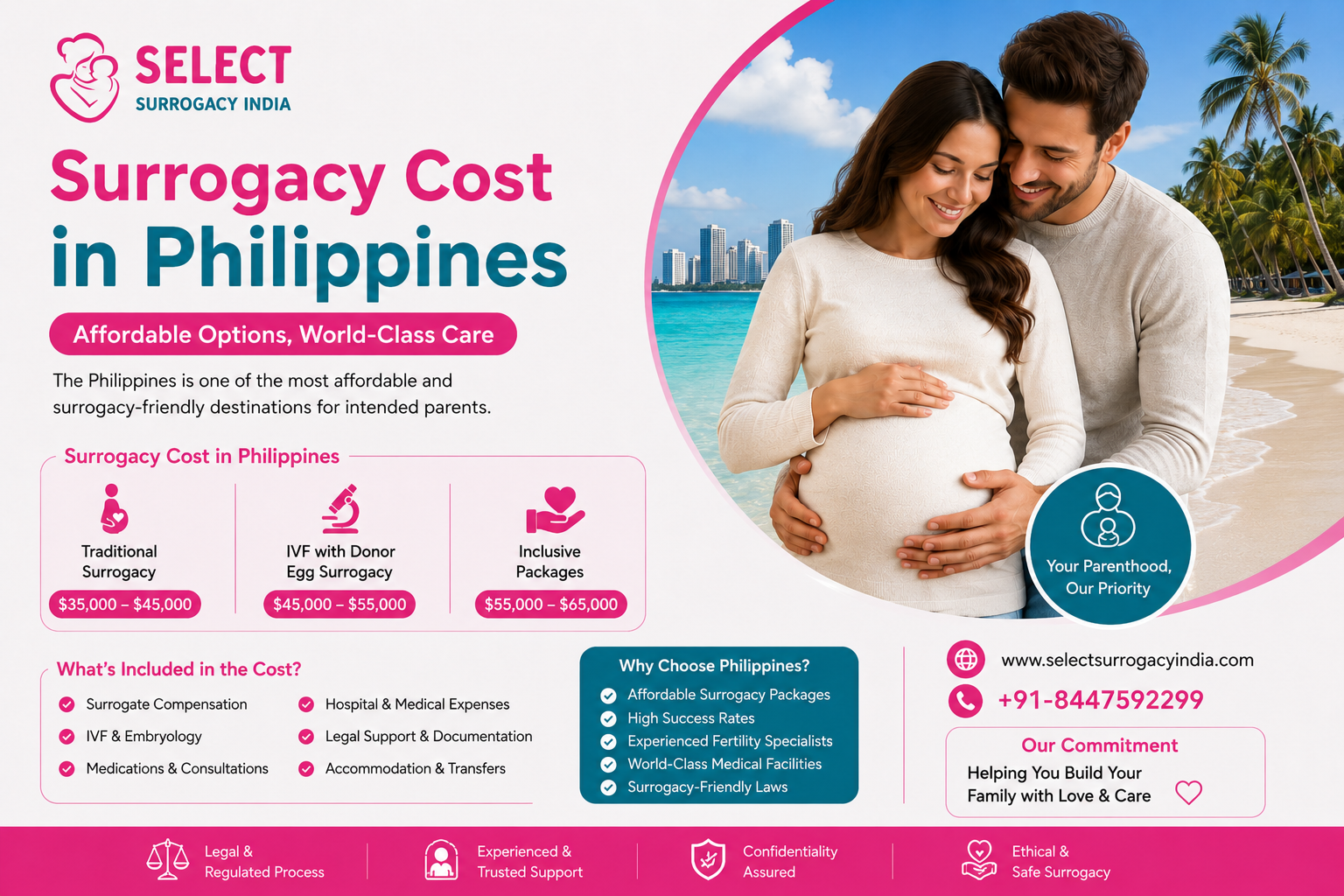
For couples who have exhausted every other path to parenthood, surrogacy is not just a medical option — it is the final hope. And when that hope becomes real, one of the very first questions that follows is: how much does surrogacy cost in the Philippines? This guide answers that question fully, honestly, and in detail. Because understanding the complete surrogacy cost in the Philippines — not just the headline package price, but every component that contributes to the real total — is the foundation of a journey that begins with clarity rather than financial surprise. The Philippines has established itself as one of Southeast Asia’s most sought-after destinations for surrogacy and fertility treatment. Its combination of internationally trained fertility specialists, English-speaking medical teams, genuinely affordable costs, and a culturally warm attitude toward family-building draws both local Filipino couples and international intended parents from around the world. For couples who have been turned away by the six-figure costs of surrogacy in the United States or the United Kingdom, the Philippines represents an accessible alternative without a meaningful sacrifice in clinical quality. This guide covers every dimension of surrogacy cost in the Philippines in 2026 — from package prices and component-by-component breakdowns, to the factors that push costs higher, the hidden expenses most guides never mention, and how Select IVF India supports couples in navigating the Philippines surrogacy journey with full financial transparency and end-to-end professional management. Understanding Surrogacy in the Philippines — A Brief Overview Before examining cost, it helps to understand what surrogacy in the Philippines actually involves and who it is designed for. Gestational surrogacy — the most widely practised form in the Philippines — is a medical arrangement in which a surrogate mother carries a pregnancy on behalf of intended parents. The embryo carried by the surrogate is created through IVF using the eggs and sperm of the intended parents (or donors), meaning the surrogate has no genetic connection to the child she carries. Surrogacy in the Philippines is most appropriate for: The Philippines currently has no specific law governing surrogacy. It operates in a legal grey area — surrogacy is not explicitly legalised, but it is also not specifically banned. Established fertility clinics and reputable agencies operate through detailed private contractual frameworks, and legal professionals experienced in Philippine family law manage the post-birth parental rights process. Understanding this legal context is essential to understanding why working with a reputable, professionally managed programme — such as those coordinated by Select IVF India — is so important in the Philippines. Surrogacy Cost in Philippines — Master Summary Table (2026) Surrogacy Program Type Cost in PHP Cost in USD (approx.) Self-Egg IVF Surrogacy (Basic Program) PHP 800,000 – PHP 1,400,000 $14,000 – $25,000 Standard IVF Surrogacy Program PHP 1,400,000 – PHP 1,800,000 $25,000 – $32,000 IVF Surrogacy with Donor Eggs PHP 1,800,000 – PHP 2,800,000 $32,000 – $50,000 IVF Surrogacy with Donor Sperm PHP 1,500,000 – PHP 2,000,000 $27,000 – $36,000 Guaranteed Baby Program (Multiple Attempts) PHP 3,000,000 – PHP 4,500,000 $55,000 – $80,000 Select IVF India — Surrogacy Philippines Program Contact for personalised quote Starting from $16,000 Note: All costs are estimates as of 2026. Final pricing varies based on clinic, location, specific medical requirements, surrogate compensation agreed, and legal complexity. Always request a full itemised quote before committing to any programme. Surrogacy Cost in Philippines — Component-by-Component Breakdown The headline package price of surrogacy in the Philippines rarely tells the complete financial story. Below is a thorough breakdown of every cost component you should budget for. 1. IVF Medical Costs (Embryo Creation) The medical foundation of gestational surrogacy is IVF — the laboratory process through which an embryo is created before being transferred to the surrogate. This is the clinical core of the entire programme. IVF Component Estimated Cost (PHP) Fertility Specialist Consultation PHP 3,000 – PHP 8,000 Hormone & Diagnostic Tests (AMH, FSH, AFC, Semen Analysis) PHP 15,000 – PHP 40,000 Ovarian Stimulation Medications PHP 80,000 – PHP 150,000 Monitoring Scans (Follicular Ultrasounds) PHP 10,000 – PHP 25,000 Egg Retrieval Procedure (OPU) PHP 40,000 – PHP 80,000 Embryology Lab Fees (Fertilisation + Culture) PHP 50,000 – PHP 100,000 ICSI (if required for male factor infertility) PHP 25,000 – PHP 50,000 Embryo Freezing (Vitrification, per year storage) PHP 15,000 – PHP 35,000 PGT-A Genetic Testing (optional, per embryo) PHP 50,000 – PHP 120,000 IVF Medical Total (estimated) PHP 250,000 – PHP 550,000 Select IVF India manages IVF medical coordination for the Philippines surrogacy programme, working with accredited local fertility clinics to ensure laboratory standards, embryo quality protocols, and clinical outcomes meet the highest benchmarks — regardless of which city in the Philippines the intended parents choose. 2. Surrogate Mother Compensation and Living Expenses Surrogate compensation is one of the largest single cost components in any Philippines surrogacy programme. In the Philippines, surrogacy is practised on an altruistic model — meaning the surrogate is reimbursed for genuine pregnancy-related expenses, not paid a commercial salary. However, comprehensive, ethical support for the surrogate throughout the pregnancy is both morally appropriate and legally prudent. Surrogate Support Component Estimated Cost (PHP) Monthly Living Allowance (9–10 months) PHP 15,000 – PHP 30,000/month Total Living Allowance (full pregnancy) PHP 150,000 – PHP 300,000 Medical Care During Pregnancy (antenatal visits, scans) PHP 50,000 – PHP 120,000 Delivery and Hospital Charges PHP 80,000 – PHP 200,000 Post-Birth Recovery Support PHP 20,000 – PHP 50,000 Psychological Counselling (surrogate) PHP 15,000 – PHP 30,000 Life and Health Insurance (surrogate) PHP 20,000 – PHP 50,000 Surrogate Support Total (estimated) PHP 335,000 – PHP 750,000 Surrogate compensation in the Philippines is significantly lower than in the United States — where surrogate compensation alone can reach $35,000–$55,000 — while still providing genuinely ethical and comprehensive support. This difference is the primary driver of the Philippines’ cost advantage over Western surrogacy destinations. Select IVF India manages all surrogate compensation disbursements through a transparent, documented escrow process — ensuring surrogates are paid fairly and on schedule, and that intended parents have complete

Best Surrogacy Clinic in Philippines – Complete Guide to Top Centres, Costs & What to Expect (2026)
For couples who have walked the long, emotionally exhausting road of infertility — through tests, medications, failed cycles, and crushing disappointments — the possibility of surrogacy arrives like a turning point. It is the moment when a new path to parenthood opens, and for many couples, it is the path that finally leads home. The Philippines has emerged as one of Southeast Asia’s most prominent destinations for surrogacy and fertility treatment. Its combination of affordable medical costs, English-speaking medical professionals, internationally trained fertility specialists, and a culturally warm and family-oriented society makes it a compelling choice for both local Filipino couples and international intended parents seeking a trusted destination for their surrogacy journey. This comprehensive guide covers everything you need to know about surrogacy in the Philippines in 2026 — from understanding how it works and what it costs, to a detailed, honest review of the best surrogacy clinics in the Philippines, city by city. Whether you are based in Manila, Cebu, Davao, or are an international couple considering the Philippines as your surrogacy destination, this guide gives you the full picture. What Is Surrogacy and Who Needs It? Surrogacy is an arrangement in which a woman — the surrogate mother — carries and delivers a baby on behalf of another individual or couple, known as the intended parents. The surrogate becomes pregnant through Assisted Reproductive Technology (ART), typically In Vitro Fertilisation (IVF), rather than through sexual intercourse. Surrogacy in the Philippines is primarily recommended for: Surrogacy represents the final frontier of reproductive medicine — the option available when all other paths have closed. For couples who reach this point, finding the right clinic is one of the most important decisions they will ever make. Types of Surrogacy Available in the Philippines Gestational Surrogacy The most widely practised form of surrogacy in the Philippines. The surrogate carries an embryo created from the intended mother’s eggs and intended father’s sperm — or from donor eggs and/or donor sperm — fertilised through IVF. The surrogate has no genetic relationship to the baby she carries. This is medically and legally the preferred form of surrogacy worldwide. Traditional Surrogacy An uncommon and generally discouraged form in which the surrogate’s own eggs are used — making her the genetic mother of the child she carries. This creates significant legal and emotional complications and is rarely recommended by reputable clinics. Altruistic Surrogacy An arrangement in which the surrogate mother carries the pregnancy without commercial compensation beyond reimbursement of genuine medical and living expenses. This is the most ethically straightforward model and is widely practised among clinics and agencies in the Philippines. Surrogacy Legal Framework in the Philippines — What You Must Know Understanding the legal landscape is essential before beginning any surrogacy journey in the Philippines. The legal situation is nuanced and requires careful navigation. The Philippines currently has no specific statutory law governing surrogacy. There is no legislation that explicitly legalises or explicitly criminalises gestational surrogacy arrangements. This regulatory gap has created a legal grey area in which gestational surrogacy is practised, particularly at established fertility clinics and through reputable agencies operating under private contractual frameworks. However, several important legal realities must be understood: The absence of a comprehensive legal framework is both an opportunity and a risk. Reputable clinics and agencies manage this risk through carefully drafted surrogacy agreements, thorough legal support, and transparent processes. Couples should avoid any arrangement that does not include professional legal guidance. How Gestational Surrogacy Works — Step by Step Understanding the full surrogacy process helps intended parents prepare practically, financially, and emotionally. Step 1 — Initial Consultation and Medical Assessment Both intended parents undergo comprehensive fertility assessments. The female intended parent (or egg donor, if applicable) has hormone testing, ovarian reserve evaluation, and uterine assessment. The male intended parent provides a semen analysis. The clinic develops a personalised treatment plan based on findings. Step 2 — Surrogate Matching and Screening The agency or clinic identifies a suitable surrogate mother based on the intended parents’ preferences and clinical criteria. The surrogate undergoes comprehensive medical screening, psychological evaluation, and infectious disease testing to ensure she is fit to carry a pregnancy safely. Step 3 — Legal Agreement A legally binding surrogacy agreement is signed between the intended parents and the surrogate, covering compensation (if any), medical responsibilities, parental rights, and all other terms of the arrangement. This step is critical and must involve qualified legal professionals. Step 4 — IVF and Embryo Creation Eggs are retrieved from the intended mother (or egg donor) and fertilised with the intended father’s sperm in the laboratory through IVF or ICSI. The resulting embryos are cultured and monitored for quality. Step 5 — Embryo Transfer to Surrogate The selected best-quality embryo is transferred into the surrogate’s uterus. Medications are prescribed to prepare the surrogate’s uterine lining and support early pregnancy. Step 6 — Pregnancy Monitoring and Care Regular antenatal care, ultrasounds, and monitoring of the surrogate’s health throughout the pregnancy, coordinated by the fertility clinic and obstetric team. Step 7 — Delivery and Legal Processes The baby is delivered, typically at the clinic or associated hospital. Legal processes are initiated to establish the intended parents’ parental rights and the baby’s documentation. Step 8 — Post-Birth Support Reputable agencies provide support to both the intended parents and surrogate in the immediate post-birth period, including medical follow-up, legal finalisation, and emotional support. Surrogacy Cost in Philippines — Complete Breakdown (2026) The cost of surrogacy in the Philippines is one of the most significant advantages the country offers to both local and international intended parents. Compared to surrogacy in the USA, UK, Australia, or Canada, the Philippines provides comparable medical quality at a fraction of the cost. Surrogacy Package Costs Surrogacy Program Type Cost (PHP) Cost (USD approx.) Standard IVF Surrogacy Program PHP 1,400,000 – PHP 1,800,000 $28,000 – $35,000 Guaranteed Baby Surrogacy Program PHP 2,500,000 – PHP 3,500,000 $45,000 – $60,000 Surrogacy with Donor Eggs PHP 1,800,000 – PHP 2,500,000 $32,000 – $50,000 Surrogacy with

Best IVF Centre in Singapore – Complete Guide to Clinics, Costs & What to Expect (2026)
For couples in Singapore who have spent months or years trying to conceive without success, the moment a doctor first mentions IVF is a turning point — one that carries equal measures of hope and anxiety. Hope, because there is a clear path forward. Anxiety, because what follows that conversation is a cascade of questions: Which clinic should we trust? How much will this cost us? How many cycles might we need? What are our real chances? Singapore is one of the most advanced fertility medicine destinations in Asia. The country’s IVF sector combines world-class laboratory infrastructure, internationally trained specialists, rigorous regulatory oversight, and a national financial support framework that makes treatment meaningfully accessible for Singaporean citizens. For both local couples and international patients, Singapore offers a fertility experience that is medically excellent, ethically sound, and logistically well-supported. This guide gives you a thorough, honest overview of everything you need to know about Best IVF Centre in Singapore in 2026 — from understanding the process itself to evaluating the best clinics, understanding the real costs, knowing your financial options, and preparing yourself for the journey ahead. What Is IVF and Who Needs It? In Vitro Fertilisation (IVF) is an Assisted Reproductive Technology (ART) in which eggs retrieved from a woman’s ovaries are fertilised by sperm in a laboratory setting. The resulting embryo is cultured and monitored, then transferred into the uterus to achieve pregnancy. For couples who cannot conceive naturally — due to a wide range of medical conditions — IVF offers one of the most effective paths to parenthood. In Singapore, IVF is recommended for couples dealing with: Infertility affects roughly one in six couples globally, and Singapore is no exception. Rising rates of delayed family formation — due to career and educational priorities — mean that many couples enter the fertility treatment journey when ovarian reserve and egg quality are already declining, making specialist intervention more important than ever. How IVF Works — The Complete Step-by-Step Process Understanding the full IVF journey helps couples prepare practically and emotionally for what lies ahead. Step 1 — Initial Consultation and Assessment The fertility specialist reviews both partners’ complete medical histories and conducts baseline investigations: hormone tests (FSH, LH, AMH, oestradiol), semen analysis, antral follicle count (AFC) via ultrasound, and uterine evaluation. Based on these results, a personalised treatment plan is developed. Step 2 — Ovarian Stimulation Daily hormone injections (gonadotropins) are administered for approximately 10–14 days to stimulate the ovaries to produce multiple mature eggs, rather than the single egg released in a natural cycle. Progress is closely tracked through regular ultrasound scans and blood tests to monitor follicle development and hormone levels. Step 3 — Trigger Injection When follicles have reached the optimal size (typically 18–20 mm), a trigger injection (hCG or GnRH agonist) is administered to complete egg maturation. Egg retrieval is scheduled precisely 36 hours later. Step 4 — Egg Retrieval (OPU — Ovum Pick-Up) Eggs are collected using a fine needle guided by transvaginal ultrasound, under mild sedation. The procedure takes 20–30 minutes and is well-tolerated by most patients. Most women can return home the same day. Step 5 — Sperm Collection and Preparation The male partner provides a semen sample on the same day as egg retrieval. In cases of azoospermia, surgical sperm retrieval (PESA or TESA) is performed. The sample is processed in the laboratory to isolate the healthiest, most motile sperm. Step 6 — Fertilisation in the Laboratory Eggs and sperm are combined in the embryology lab. Standard IVF allows fertilisation to occur naturally in a culture dish. ICSI (Intracytoplasmic Sperm Injection) involves injecting a single selected sperm directly into each egg — this is recommended when sperm quality is compromised or previous fertilisation has failed. Step 7 — Embryo Culture and Monitoring Fertilised embryos develop in incubators over three to six days. Embryologists monitor growth daily. Most leading Singapore centres culture embryos to the blastocyst stage (Day 5 or Day 6) — a more advanced stage of development that carries higher implantation potential. Step 8 — Embryo Selection The best-quality embryo is selected based on morphological grading. Advanced clinics use time-lapse embryo monitoring systems, which allow continuous imaging without disturbing the embryo’s development environment. PGT-A (Preimplantation Genetic Testing for Aneuploidies) may be used to screen embryos for chromosomal abnormalities before transfer. Step 9 — Embryo Transfer The selected embryo is placed into the uterus using a soft catheter guided by ultrasound. No anaesthesia is required. The procedure takes about 10–15 minutes and is generally described as painless. Step 10 — Luteal Phase Support Progesterone and other medications are prescribed after transfer to support the uterine lining and optimise conditions for implantation. Step 11 — Pregnancy Test A blood beta-hCG test is performed 14 days after embryo transfer. A positive result confirms successful implantation. IVF Cost in Singapore — Complete Breakdown (2026) The cost of IVF in Singapore is one of the most important considerations for couples planning treatment. Understanding the full picture — including base costs, add-ons, and financial assistance options — is essential before committing to a clinic or cycle. Public vs. Private — The Core Distinction Singapore’s fertility care ecosystem is divided between public hospital AR (Assisted Reproduction) centres and private fertility clinics. The choice between them has significant financial implications. Public Hospital IVF (KKH, NUH, SGH): Private Clinic IVF (Thomson, Virtus, Alpha, Mount Elizabeth, etc.): Component-Wise Cost Breakdown Component Estimated Cost (SGD) Specialist Consultation $200 – $600 Hormone & Diagnostic Tests $1,000 – $3,000 Ovarian Stimulation Medications $3,000 – $8,000 Monitoring Scans (4–6 scans) $2,000 – $3,000 Egg Retrieval Procedure (OPU) $3,000 – $6,000 Embryology Lab Charges $3,000 – $6,000 ICSI (if required) $1,500 – $3,000 Embryo Transfer $1,500 – $3,000 Post-Transfer Medications $500 – $1,500 Frozen Embryo Transfer (FET) $4,000 – $7,000 PGT-A Genetic Testing $3,000 – $7,000 Singapore Government Co-Funding — How It Works The Singapore Ministry of Health (MOH) co-funds Assisted Conception Procedures (ACPs) at public Assisted Reproduction centres. Eligible couples can receive up to
IVF Cost in Zambia – Complete Guide to Prices, Clinics & What to Expect (2026)
For couples in Zambia who have been trying to conceive without success, the moment a fertility specialist mentions IVF is often both a relief and a source of anxiety. Relief — because there is a path forward. Anxiety — because the first question that follows is almost always the same: how much will this cost? Understanding the IVF cost in Zambia is not as straightforward as it might seem. The headline figure a clinic quotes rarely tells the full story. Medications, monitoring scans, laboratory add-ons, legal documentation, donor fees if required, and the cost of a second cycle if the first is unsuccessful — all of these components contribute to the real total. And for couples who are already carrying the emotional weight of infertility, a financial surprise midway through treatment is the last thing they need. This guide gives you the full picture. We break down the complete cost of IVF in Zambia in 2026 — package by package, component by component, clinic by clinic, and city by city. We explain what drives costs up or down, how Zambia compares to other African and international destinations, which clinics are worth trusting, and how to approach the IVF journey with both financial and emotional preparedness. Whether you are based in Lusaka, Ndola, Kitwe, Livingstone, or anywhere else in Zambia, this guide is your complete resource. What Is IVF and Who Needs It in Zambia? IVF — In Vitro Fertilization — is an Assisted Reproductive Technology (ART) in which eggs retrieved from a woman’s ovaries are fertilized by sperm in a laboratory. The resulting embryo is cultured and assessed for quality, then transferred into the uterus to achieve pregnancy. Infertility affects a significant proportion of couples across sub-Saharan Africa, and Zambia is no exception. Contributing factors include untreated pelvic inflammatory disease, sexually transmitted infections that affect tubal function, PCOS, male factor infertility, and increasingly, age-related fertility decline as more women delay family formation for educational and professional reasons. IVF in Zambia is recommended for couples with: How Does IVF Work? — Step-by-Step Process Understanding the full IVF journey helps couples prepare mentally, physically, and financially for what lies ahead. Step Stage What Happens 1 Initial Consultation The fertility specialist reviews both partners’ medical histories. Hormone tests (FSH, LH, AMH), semen analysis, antral follicle count, and uterine evaluation are done. A personalized treatment plan is created. 2 Ovarian Stimulation Daily hormone injections for 10–12 days stimulate the ovaries to produce multiple mature eggs. Progress is tracked through regular ultrasound scans and blood tests. 3 Trigger Injection When follicles reach optimal size (18–20 mm), a trigger injection finalizes egg maturation. Egg retrieval is scheduled 36 hours later. 4 Egg Retrieval (OPU) Eggs are collected using a fine needle guided by transvaginal ultrasound, under mild sedation. The procedure takes 20–30 minutes and is well-tolerated by most patients. 5 Sperm Collection & Preparation The male partner provides a semen sample on the same day. In azoospermia cases, surgical sperm retrieval (PESA or TESA) is performed. The sample is processed to isolate the healthiest, most motile sperm. 6 Fertilization in the Lab Eggs and sperm are combined in the embryology lab. In standard IVF, fertilization occurs naturally in a culture dish. In ICSI, a single sperm is injected directly into each egg — used when sperm quality is compromised. 7 Embryo Culture & Monitoring Embryos develop over 3–6 days. Embryologists monitor growth daily. Most leading centres culture to the blastocyst stage (Day 5/6) for higher implantation potential. 8 Embryo Selection The best-quality embryo is selected based on morphological grading. PGT-A may screen embryos for chromosomal abnormalities before transfer. 9 Embryo Transfer The selected embryo is placed into the uterus using a thin catheter guided by ultrasound. No anaesthesia needed — the procedure takes about 10–15 minutes. 10 Luteal Phase Support Progesterone and other medications continue after transfer to support implantation and early pregnancy. 11 Pregnancy Test A blood beta-hCG test is done 14 days after embryo transfer. A positive result confirms implantation has occurred. IVF Cost in Zambia — Complete Breakdown (2026) The IVF cost in Zambia varies based on the clinic chosen, the techniques required, the patient’s individual medical profile, and whether donor gametes or additional procedures are needed. Below is a comprehensive breakdown. IVF Package Cost in Zambia Treatment Type Cost (ZMW) Cost (USD approx.) Basic IVF Cycle (self cycle) ZMW 55,000 – ZMW 80,000 $2,200 – $3,200 IVF with ICSI ZMW 65,000 – ZMW 90,000 $2,600 – $3,600 IVF with Donor Eggs ZMW 60,000 – ZMW 65,000 $3,000 – $4,500 IVF with Donor Sperm ZMW 58,000 – ZMW 75,000 $2,300 – $3,000 Frozen Embryo Transfer (FET) ZMW 18,000 – ZMW 30,000 $720 – $1,200 Embryo Freezing (per year) ZMW 5,000 – ZMW 10,000 $200 – $400 IUI (Intrauterine Insemination) ZMW 8,000 – ZMW 15,000 $320 – $600 PGT-A / PGD (Genetic Testing) ZMW 25,000 – ZMW 50,000 $1,000 – $2,000 Fertility Medications (stimulation) ZMW 12,000 – ZMW 25,000 $480 – $1,000 Initial Consultation & Diagnostics ZMW 3,000 – ZMW 8,000 $120 – $320 Component-Wise IVF Cost Breakdown in Zambia Understanding each individual cost component helps couples budget accurately and avoid financial surprises: Component What It Covers Estimated Cost (ZMW) Specialist Consultation Initial fertility evaluation, treatment planning ZMW 500 – ZMW 1,500 Hormone & Diagnostic Tests AMH, FSH, LH, AFC, semen analysis, infectious screen ZMW 3,000 – ZMW 8,000 Ovarian Stimulation Medications Gonadotropin injections, trigger shot, support drugs ZMW 12,000 – ZMW 25,000 Monitoring Scans (4–6 scans) Follicular tracking ultrasounds during stimulation ZMW 2,500 – ZMW 6,000 Egg Retrieval Procedure OPU under sedation, theatre and anaesthesia charges ZMW 8,000 – ZMW 15,000 Embryology Lab Charges Fertilization, embryo culture, embryologist fees ZMW 10,000 – ZMW 20,000 ICSI (if required) Per-egg sperm injection for male factor infertility ZMW 8,000 – ZMW 15,000 Embryo Transfer Transfer procedure, catheter, ultrasound guidance ZMW 5,000 – ZMW 10,000 Post-Transfer Medications Progesterone and luteal phase support ZMW 3,000 – ZMW 6,000 Pregnancy Test (Beta-hCG) Blood test 14 days post-transfer ZMW

Fertility Age Calculator
In todays world people do not rush into having kids in their 20s like they used to. Many people and couples wait to have children because they want to focus on their careers be financially stable grow as individuals or just wait for the time. These are all reasons to wait.. There is one thing that people often do not think about enough. Fertility age. Most people think that their ability to have kids is connected to how old they’re. For example if someone is 30 years old they think their fertility is also 30.. That is not always true. Fertility age depends on things like your body and the way you live your life, which may not have anything to do with how old you’re That is where a fertility age calculator comes in. It is a tool that helps you understand your health by looking at different things about you and your body. Of just looking at how old you are it looks at how your body is working on the inside. This gives you an idea of how fertile you are. It looks at things like: Using all this information it calculates your fertility age, which shows how young or old your reproductive system is. Why does this matter much? With more people talking about IVF and fertility treatments people are being more proactive. Often they start too late. If you know your fertility age early you can: This guide will explain everything in detail so you do not have to guess. What is a fertility age calculator? It is a tool that helps you understand how old your reproductive system is, which may be different from how old you’re Unlike looking at your age this tool looks at how well your reproductive system is working. It helps you understand if your fertility is: How does it work? The calculator looks at things about your health and lifestyle then compares them to medical data and fertility trends. Based on this it gives you a fertility age. Things it considers: 1. Biological things. Like how eggs you have how regular your periods are and how healthy your reproductive system is. 2. Hormonal balance. Hormones like AMH, FSH and estrogen are important for fertility. If they are out of balance it can affect your fertility even if you are young. 3. The way you live your life. Things like what you eat if you smoke how much you drink how stress you have and how much you exercise can all affect your reproductive health. 4. Conditions. Things like PCOS endometriosis, thyroid problems or surgeries can all affect your fertility age. Lets look at an example: This means that even though the person is 32 their reproductive system is working like it is 36. This could mean: But it can also go the other way: In this case the persons fertility is better than average for their age. Why does fertility age matter? It is one of the important things that affects your ability to have kids both naturally and with medical help. 1. Getting pregnant naturally. If your fertility age is lower you are more likely to get pregnant. As your fertility age gets higher it gets harder to get pregnant. 2. How well IVF works. Fertility age is very important for IVF. Even if two people are the age, the one with the lower fertility age is more likely to: 3. The quality and number of eggs. As fertility age gets higher: This affects both natural pregnancy and assisted reproduction. 4. Hormonal balance. Hormones control your reproductive system. If your fertility age is higher it can mean your hormones are out of balance, which can: Fertility Age vs Real Age It is very important to understand the difference between these two things because many people only think about their real age when they want to have kids. Real age is just how old you are, based on your birthday. It goes up one year every year. It does not tell you anything about your health or fertility. Fertility age is different. It is based on how healthy your reproductive system’s. It can be higher or lower than your age and it is affected by things, like your lifestyle, genes and medical history. The main difference is that your real age tells you how old you are but your fertility age tells you how able your body is to have kids. Lets look at another example: Two women, both 30 years Woman A: Woman B: Even though they are the age their chances of getting pregnant can be very different. How Does a Fertility Age Calculator Work? A fertility age calculator is not just a simple quiz—it’s based on medical research, statistical analysis, and probability models derived from thousands of real fertility cases. Its goal is to translate complex biological data into something easy to understand: your reproductive age and your chances of conception. Step-by-Step Working Process 1. Data Collection (Your Inputs)The calculator starts by asking for key personal and medical details. These inputs are critical because fertility is influenced by multiple interconnected factors. Typical questions include: Each of these inputs adds a layer of personalization to the final result. 2. Data Comparison with Medical BenchmarksOnce your data is entered, the calculator compares it with large medical datasets. These datasets contain information from thousands of individuals with similar profiles. For example: This comparison helps place you within a broader fertility pattern. 3. Probability Modeling This is the core engine of the calculator. Using statistical models (and sometimes AI-based algorithms), the tool evaluates: For example: So instead of a single-factor prediction, it creates a multi-factor probability score. 4. Final Output (Your Fertility Profile) After processing all inputs, the calculator provides: Your Fertility AgeEstimated Chances of Pregnancy (natural or assisted) Some advanced tools may also include: Important Understanding The calculator doesn’t diagnose infertility—it simply gives a data-based estimate. Real fertility outcomes can still vary due to biological unpredictability. Key Factors
IVF Success Rate Calculator
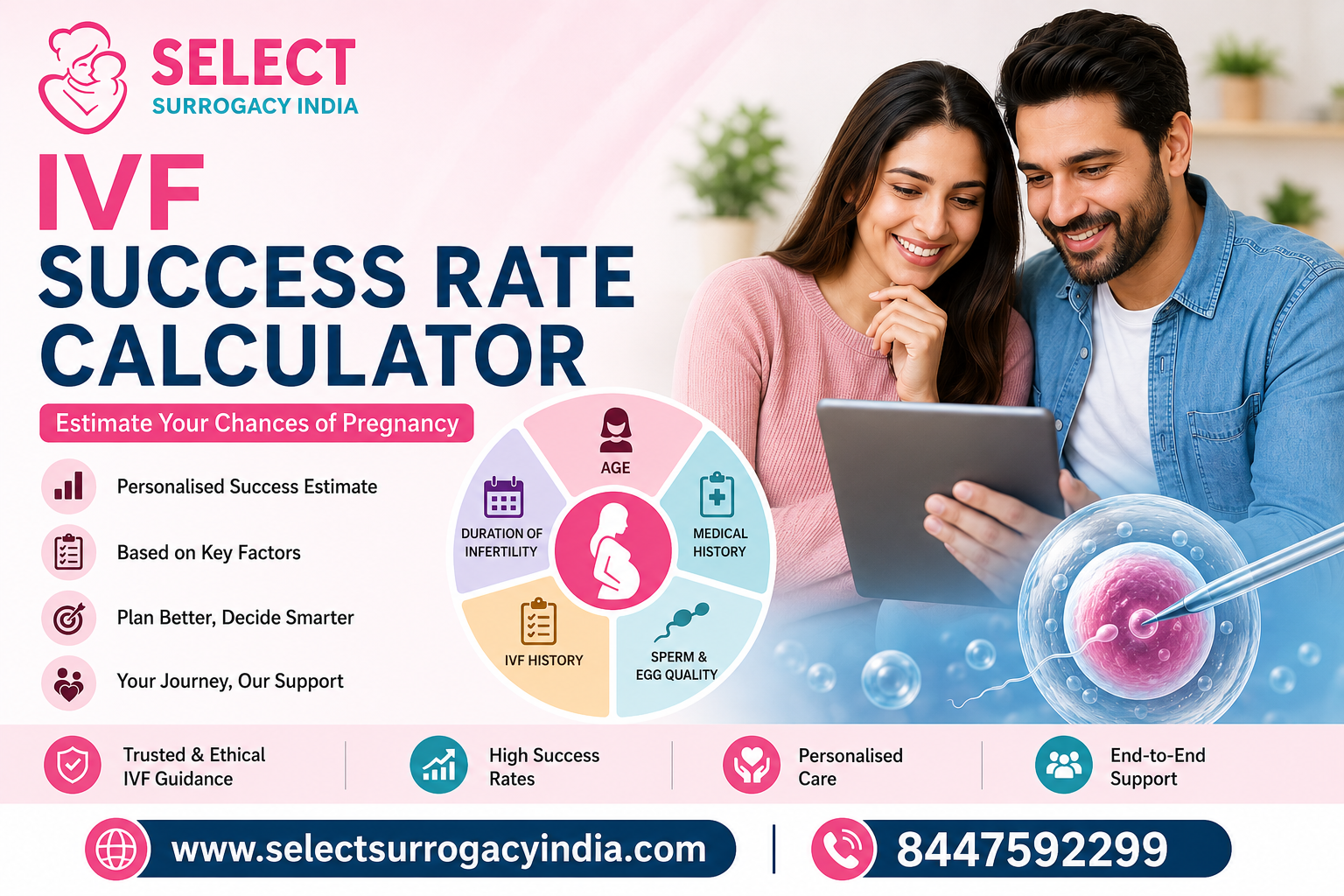
For couples who are trying to have a baby through IVF there is always one question: What are the chances that IVF will work for us? This question is not about medicine it is also about how we feel. It is about hope worry and sometimes fear. Going through IVF is a deal. It takes time, patience, money and emotional strength. So couples want to know what to expect before they start. That is where an IVF success rate calculator can really help. An IVF success rate calculator tries to figure out how likely it is that you will get pregnant based on things like how old you’re if you have any fertility problems if you have tried IVF before and what your medical history is. It does not tell you for sure what will happen. It gives you a better idea of what to expect. This helps you make decisions, about IVF. What is IVF. How does it work? IVF is a way to help people have babies when they are having trouble getting pregnant. It is a process where the egg and sperm meet outside the body in a laboratory. When the egg and sperm are combined they form an embryo. The embryo is then carefully placed into the womans uterus which increases the chances of getting pregnant. Here is a simple step-by-step explanation of how IVF works: 1. Ovarian Stimulation The journey starts with stimulation. The woman gets medicine to help her ovaries produce many eggs. This is important because having many eggs increases the chances of getting pregnant. Doctors check on the woman regularly to make sure everything is going smoothly. 2. Egg Retrieval When the eggs are ready the doctor takes them out in a procedure. The woman gets some medicine to help her relax so she does not feel pain. The doctor uses a needle to gently take the eggs from the ovaries. This only takes 20-30 minutes. 3. Sperm Collection On the day the man gives a sperm sample. The sample is then prepared in the lab to find the sperm. 4. Fertilization The eggs and sperm are combined in a dish, where they meet and form an embryo. If the man has trouble getting pregnant the doctor may use a technique called ICSI. In ICSI the doctor puts a healthy sperm into the egg to help it get pregnant. 5. Embryo Culture After the eggs and sperm meet the embryos are kept in a lab for a few days. The doctors watch them closely to make sure they are healthy. The healthiest embryos are chosen to be put into the womans uterus which increases the chances of getting pregnant. 6. Embryo Transfer The doctor puts one or more embryos into the womans uterus using a thin tube. This procedure is simple. Usually does not hurt. After this the womans body takes over. Starts the pregnancy process. 7. Pregnancy Test and Follow-Up 10-14 days after the embryo is put into the uterus the woman gets a blood test to see if she is pregnant. If the test is positive the doctors help the woman with the steps, including medicine and lifestyle changes to have a healthy pregnancy. They help with In Vitro Fertilization or IVF every step of the way. In Vitro Fertilization or IVF is a part of the journey, to becoming a parent. IVF Process Step-by-Step The IVF (In Vitro Fertilization) process is a carefully planned medical procedure that helps couples overcome infertility and achieve pregnancy. It involves several stages, each designed to support successful fertilization and embryo development. Although the process may seem complex at first, fertility specialists guide couples through every step to ensure comfort and clarity. Below is a simple step-by-step explanation of how the IVF process works. 1. Initial Consultation and Fertility Testing The IVF journey begins with a detailed consultation with a fertility specialist. During this stage, the doctor reviews the couple’s medical history and recommends fertility tests to identify possible causes of infertility. Common tests include hormone testing, ultrasound scans, semen analysis, and blood tests. These evaluations help the doctor design a personalized treatment plan for the couple. 2. Ovarian Stimulation After the initial evaluation, the female partner is given fertility medications to stimulate the ovaries. Normally, a woman produces one egg per cycle, but during IVF treatment, medications help the ovaries produce multiple eggs. This increases the chances of successful fertilization. The stimulation phase usually lasts 8–14 days, during which doctors monitor the ovaries using ultrasound scans and hormone tests. 3. Egg Retrieval (Ovum Pick-Up) Once the eggs mature, they are collected through a minor medical procedure called egg retrieval. This procedure is usually performed under mild sedation to ensure comfort. A thin needle guided by ultrasound is used to collect the eggs from the ovaries. The procedure typically takes 15–30 minutes, and the collected eggs are immediately sent to the laboratory for fertilization. 4. Sperm Collection and Fertilization At the same time, a sperm sample is collected from the male partner. The healthiest sperm are selected in the laboratory and combined with the eggs for fertilization. In some cases, a technique called ICSI (Intracytoplasmic Sperm Injection) is used, where a single sperm is injected directly into the egg to improve fertilization chances. 5. Embryo Development After fertilization, the eggs begin to develop into embryos in a specialized laboratory environment. Embryologists carefully monitor the embryos for several days to ensure healthy growth. Usually, embryos are cultured for 3 to 5 days before being prepared for transfer into the uterus. 6. Embryo Transfer During this step, the healthiest embryo is selected and transferred into the woman’s uterus using a thin catheter. The procedure is simple, painless, and usually does not require anesthesia. This stage is one of the most exciting parts of the IVF process because it brings the couple closer to the possibility of pregnancy. 7. Pregnancy Test About 10–14 days after the embryo transfer, a blood test is performed to determine whether
Best IVF Centre in Philippines – Top 12 Clinics, Cost, Success Rates & Complete Guide (2026)
The Philippines is a country where family sits at the very heart of culture. For Filipino couples — and for the many international patients who travel here seeking fertility care — the dream of parenthood is not just personal. It is deeply woven into everything that gives life meaning. When that dream faces the challenge of infertility, finding the best IVF centre in the Philippines becomes the most important step a couple can take. Infertility affects approximately 1 in 6 couples worldwide, and the Philippines is no exception. Rising rates of PCOS, endometriosis, male factor infertility, and age-related fertility decline are bringing more couples than ever before to fertility specialists across Metro Manila, Cebu, Davao, and other cities. At the same time, the Philippine fertility sector has grown significantly — from just a handful of clinics in the 1990s to a network of accredited, specialist-led IVF centres offering treatments that match international standards. Whether you are a Filipino couple exploring IVF for the first time, or a medical tourist from Southeast Asia or beyond looking for quality fertility care at accessible costs, this guide gives you everything you need. We cover what IVF is, who needs it, how the process works, what it costs in the Philippines, how the country compares internationally, and which centres — led by Select IVF at number one — consistently deliver the best outcomes for their patients. What Is IVF and Why Is It Needed? IVF — In Vitro Fertilization — is an Assisted Reproductive Technology (ART) in which eggs retrieved from a woman’s ovaries are fertilized by sperm in a specialized embryology laboratory. The resulting embryo is cultured and assessed for quality, then transferred into the woman’s uterus. If implantation occurs, a pregnancy develops. Since the birth of the world’s first IVF baby — Louise Joy Brown — in the United Kingdom in 1978, more than 10 million babies have been born globally through IVF. Today it is one of the most widely practiced and scientifically validated medical procedures in existence. IVF in the Philippines is recommended for couples dealing with: IVF does not guarantee pregnancy, but at the best IVF centres in the Philippines, modern laboratory technology and experienced clinical teams have brought success rates to levels that give most couples a genuine and realistic path to parenthood. How Does IVF Work? — Complete Step-by-Step Process Understanding the full IVF journey helps couples prepare mentally, physically, and financially for what lies ahead. Step Stage What Happens 1 Initial Consultation The fertility specialist reviews both partners’ medical histories. Hormone tests (FSH, LH, AMH), semen analysis, antral follicle count, and uterine evaluation are done. A personalized treatment plan is created. 2 Ovarian Stimulation Daily hormone injections for 10–12 days stimulate the ovaries to produce multiple mature eggs. Progress is tracked through regular ultrasound scans and blood tests. 3 Trigger Injection When follicles reach optimal size (18–20 mm), a trigger injection finalizes egg maturation. Egg retrieval is scheduled 36 hours later. 4 Egg Retrieval (OPU) Eggs are collected using a fine needle guided by transvaginal ultrasound, under mild sedation. The procedure takes 20–30 minutes and is well-tolerated by most patients. 5 Sperm Collection & Preparation The male partner provides a semen sample on the same day. In azoospermia cases, surgical sperm retrieval (PESA or TESA) is performed. The sample is processed to isolate the healthiest, most motile sperm. 6 Fertilization in the Lab Eggs and sperm are combined in the embryology lab. In standard IVF, fertilization occurs naturally in a culture dish. In ICSI, a single sperm is injected directly into each egg — used when sperm quality is compromised. 7 Embryo Culture & Monitoring Embryos develop over 3–6 days. Embryologists monitor growth daily. Most leading centres culture to the blastocyst stage (Day 5/6) for higher implantation potential. 8 Embryo Selection The best-quality embryo is selected based on morphological grading. PGT-A may screen embryos for chromosomal abnormalities before transfer. 9 Embryo Transfer The selected embryo is placed into the uterus using a thin catheter guided by ultrasound. No anaesthesia needed — the procedure takes about 10–15 minutes. 10 Luteal Phase Support Progesterone and other medications continue after transfer to support implantation and early pregnancy. 11 Pregnancy Test A blood beta-hCG test is done 14 days after embryo transfer. A positive result confirms implantation has occurred. Surplus high-quality embryos are vitrified (frozen) for potential future use — making additional attempts through Frozen Embryo Transfer (FET) far less expensive than a fresh cycle. IVF Cost in the Philippines — Full Breakdown (2026) Understanding the cost of IVF in the Philippines is essential for realistic financial planning. Costs vary based on the clinic, the technique used, the patient’s age and medical profile, and whether additional procedures are required. IVF Package Costs in the Philippines Treatment Type Estimated Cost (Philippine Peso) Estimated Cost (USD) Basic IVF Cycle ₱250,000 – ₱350,000 $4,300 – $6,000 IVF with ICSI ₱280,000 – ₱420,000 $4,800 – $7,200 IVF with Donor Eggs ₱350,000 – ₱500,000 $6,000 – $8,600 Frozen Embryo Transfer (FET) ₱80,000 – ₱150,000 $1,400 – $2,600 Embryo Freezing (per year) ₱20,000 – ₱50,000 $345 – $860 ICSI Add-On ₱30,000 – ₱80,000 $515 – $1,380 PGT-A (Genetic Screening) ₱50,000 – ₱200,000 $860 – $3,450 Fertility Medications ₱50,000 – ₱150,000 $860 – $2,580 Initial Consultation & Tests ₱10,000 – ₱30,000 $172 – $515 How the Philippines Compares Internationally One of the key reasons couples from Southeast Asia and beyond consider the Philippines for IVF is the meaningful cost advantage over more expensive destinations. Country IVF Cost Per Cycle (USD) Philippines $3,000 – $5,000 India $1,200 – $2,500 Thailand $3,000 – $5,000 Malaysia $3,500 – $6,000 Singapore $8,000 – $15,000 Japan $6,000 – $12,000 Australia $8,000 – $15,000 UAE (Dubai) $4,000 – $7,000 United Kingdom $7,000 – $12,000 USA $12,000 – $20,000 For Filipino couples, the Philippines offers world-class care at home. For international patients — particularly from Australia, Japan, the Middle East, and neighboring Southeast Asian countries — the Philippines provides significant savings without the
IVF Cost in Philippines: The Complete, Honest Guide for 2026
Nobody begins researching IVF because they want to. You get here after months, sometimes years, of trying, waiting, hoping, and eventually accepting that you might need help. And the first question most couples ask — often before they have even booked their first consultation — is a financial one: how much is this going to cost us? That question deserves a straight answer. Not a vague range buried under caveats, not a number stripped of context, but a real, detailed breakdown that tells you what you are actually paying for, what commonly gets added on top of the headline figure, and how to budget realistically for a journey that may involve more than one cycle. The IVF cost in Philippines in 2026 ranges from approximately ₱200,000 to ₱500,000 per cycle at established fertility clinics — making it one of the more affordable destinations for IVF in Asia, and dramatically cheaper than the United States (where a single cycle averages $15,000–$25,000) or even neighboring Singapore and Australia. That affordability, combined with genuinely skilled fertility specialists and modern reproductive technology at top Philippine clinics, is why more and more couples — both local and international — are choosing the Philippines for their IVF treatment. But before you take that number at face value, there is a lot more to understand. Because the ₱200,000 starting figure is not the whole picture — and walking into treatment without knowing the full cost landscape is how couples end up financially blindsided midway through a process that is already emotionally exhausting. This guide covers all of it. IVF in the Philippines: Why It Is Worth Considering The Philippines has been building its fertility care capacity since the early 2000s, and today has a concentrated cluster of genuinely excellent IVF clinics in Metro Manila — particularly in Makati, Quezon City, Taguig (Bonifacio Global City), and Alabang — alongside growing options in Cebu and other regional cities. A few things set the Philippine IVF landscape apart from many comparable countries: Affordability with quality. The combination of lower clinical overhead costs, competitive specialist fees, and a less commercially inflated healthcare market means that Philippine IVF clinics can deliver internationally comparable treatment at a fraction of what Western clinics charge. The quality at the top Filipino clinics is not “affordable and acceptable” — it is genuinely good by international standards. Japanese-influenced clinical methodology. The Kato Fertility Center network — owned by Japan’s Kato Ladies Clinic (TOWAKO Group), which has over 30 years of ART experience — brings Japanese reproductive medicine protocols to the Philippines. These include Natural Cycle IVF and Minimal Stimulation IVF approaches that minimize medication burden on the patient, reduce the risk of Ovarian Hyperstimulation Syndrome (OHSS), and in many cases deliver comparable success rates to conventional stimulated cycles. Kato is the only Philippine IVF center offering these approaches exclusively. Hospital-based care with integrated specialists. CARMI (Center for Advanced Reproductive Medicine and Infertility) at St. Luke’s Medical Center — the Philippines’ first and only hospital-based IVF center — provides fertility treatment within a full-service, internationally accredited hospital environment. That means your IVF specialist has immediate access to cardiologists, endocrinologists, geneticists, immunologists, urologists, and other subspecialists within the same institution — an advantage that matters enormously for complex cases. English-speaking healthcare. The Philippines is one of the few Asian countries where essentially all medical consultations, documentation, and patient communication happen in English — a significant practical advantage for international patients and Filipino diaspora couples traveling back for treatment. Accessible payment options. Major fertility clinics in the Philippines — including Kato Fertility Center and CARMI — offer installment payment plans through major banks, credit cards, and digital payment platforms. Kato’s “IVF Now, Pay Later” programme offers 0% installment plans for BDO credit card holders across 3, 6, 9, or 12-month terms. CARMI partners with major banks for flexible financing. These options make the financial planning significantly more manageable. IVF Cost in Philippines 2026: Full Breakdown Base IVF Package Cost IVF Treatment Type Cost in Philippine Peso (₱) Approx. USD Basic IVF Cycle (consultation, stimulation, egg retrieval, fertilization, embryo transfer) ₱200,000 – ₱350,000 $3,500 – $6,100 Natural Cycle IVF (no stimulation medications — Kato exclusive) ₱100,000 – ₱180,000 $1,750 – $3,150 Minimal Stimulation IVF (low-dose meds — Kato exclusive) ₱350,000 – ₱420,000 $6,100 – $7,350 Standard IVF with ICSI (combined package) ₱280,000 – ₱450,000 $4,900 – $7,875 IVF with Donor Eggs ₱275,000 – ₱440,000 $4,800 – $7,700 IVF with Donor Sperm ₱220,000 – ₱380,000 $3,850 – $6,650 Frozen Embryo Transfer (FET) ₱80,000 – ₱150,000 $1,400 – $2,625 IUI (Intrauterine Insemination) ₱15,000 – ₱70,000 $265 – $1,225 Add-On Procedures and Their Costs Procedure Cost in ₱ Approx. USD When Is It Needed? ICSI (Intracytoplasmic Sperm Injection) ₱30,000 – ₱80,000 $525 – $1,400 Male infertility, poor fertilization PGT-A (Chromosomal Screening) ₱50,000 – ₱150,000 $875 – $2,625 Recurrent miscarriage, age > 35 PGT-M (Specific Genetic Condition) ₱100,000 – ₱200,000 $1,750 – $3,500 Known genetic disorders Embryo Freezing / Vitrification ₱20,000 – ₱50,000 $350 – $875 Surplus embryos from a cycle Embryo Storage (per year) ₱15,000 – ₱30,000 $265 – $525 Ongoing storage after freezing Assisted Hatching ₱15,000 – ₱30,000 $265 – $525 Poor embryo hatching history Sperm Freezing ₱10,000 – ₱25,000 $175 – $440 Backup or donor programme Egg Freezing / Fertility Preservation ₱150,000 – ₱300,000 $2,625 – $5,250 Elective or medical reasons TESE / Micro-TESE (Surgical Sperm Retrieval) ₱50,000 – ₱120,000 $875 – $2,100 Azoospermia, no sperm in ejaculate Endometrial Receptivity Test (ERA) ₱40,000 – ₱80,000 $700 – $1,400 Recurrent implantation failure Initial Fertility Consultation ₱1,500 – ₱3,500 $25 – $60 First appointment Hormonal Blood Panel (AMH, FSH, LH, E2) ₱5,000 – ₱15,000 $88 – $265 Ovarian reserve assessment Semen Analysis ₱2,500 – ₱8,000 $44 – $140 Male fertility baseline Transvaginal Ultrasound ₱2,500 – ₱6,000 $44 – $105 Antral follicle count, uterine eval Fertility Medications: The Cost Most Couples Forget to Budget For Fertility medications are almost never included in the base IVF package price at Philippine clinics — and they are

Best IVF Doctor in Pakistan: Top Specialists You Can Actually Trust in 2026
Picking the right fertility clinic is one decision. Picking the right doctor within that clinic is an entirely different one — and honestly, the more important of the two. Think about it. The same clinic with two different doctors can produce very different experiences and, often, very different outcomes. An IVF specialist who takes time to understand your case before designing a protocol, who communicates clearly about what to expect, who adjusts treatment when something is not working rather than pushing through blindly — that doctor changes everything. The lab can have the best equipment in the country, but it is the doctor’s clinical judgment that decides how your eggs are stimulated, when retrieval happens, which embryo gets transferred, and how the next step is handled if the first attempt does not succeed. Pakistan has some genuinely excellent IVF doctors. Many trained in the UK, Australia, or the United States before returning to practice here. Several have decades of clinical experience. A few have helped tens of thousands of couples become parents. This guide introduces you to the best IVF doctors in Pakistan in 2026 — with real qualifications, real cities, real consultation fees — so you can walk into your first appointment already knowing who you are dealing with. What Separates a Good IVF Doctor from a Great One Before the names, a quick word on what actually matters — because “best” is a word that gets thrown around a lot in fertility medicine, and it deserves unpacking. Clinical training in reproductive medicine specifically. A general gynaecologist and a reproductive endocrinologist are not the same thing. The best IVF doctors in Pakistan hold qualifications like FCPS, FRCOG, MRCOG, or international fellowship training in IVF and assisted reproduction. These credentials indicate that the doctor has undergone specific, assessed training in fertility medicine — not just general obstetrics and gynaecology. Experience with cases like yours. A doctor who has spent 25 years managing infertility has seen almost every presentation — failed cycles, poor ovarian response, immunological implantation failure, male factor complicating what looked like a female factor case. That exposure matters. It is not something you can compensate for with enthusiasm. Communication style. This matters more than most people expect before they start the IVF journey. The two-week wait after embryo transfer is genuinely one of the hardest periods many couples have ever experienced. A doctor who is accessible, who explains decisions clearly, and who does not dismiss questions is worth more than a brilliant clinician who leaves you confused after every appointment. Individualized protocol design. The best IVF doctors do not apply the same stimulation protocol to every patient. They assess your ovarian reserve, your hormonal profile, your previous response to medication if applicable, and they build a treatment plan around you — not around the schedule. Honesty about success rates. Any doctor who promises you a specific outcome is not being honest. The best IVF specialists in Pakistan will tell you your realistic chances based on your age, diagnosis, and test results — and they will tell you what could go wrong and how they would handle it. Best IVF Doctor in Pakistan: Top 12 Specialists in 2026 1. Dr. Syed Sajjad Hussain — Select IVF, Pakistan When couples across Pakistan and the broader region ask who the best IVF doctor in Pakistan is, one name surfaces more consistently than any other — and it is not because of marketing. It is because of what Dr. Syed Sajjad Hussain and his team at Select IVF have actually delivered for patients over more than two decades of dedicated fertility practice. Dr. Hussain leads Select IVF as both its clinical and strategic head, and the way he approaches fertility medicine reflects the qualities that genuinely define the best IVF doctor in Pakistan: a meticulous diagnostic approach before any treatment begins, a refusal to standardize what should be individualized, a team structure built for genuine collaboration rather than hierarchy, and a standard of patient communication that leaves couples informed and supported at every single stage of the journey. What distinguishes Dr. Hussain’s clinical practice is the depth of his diagnostic investment in each case. No couple begins treatment at Select IVF without a comprehensive evaluation — hormonal blood panels, antral follicle count, uterine assessment, full male fertility workup, and a detailed review of any previous treatment history. From that foundation, he builds a protocol that is genuinely personalized. Not a template applied to the presenting complaint, but a plan constructed around the specific clinical picture of that specific couple. His embryology team operates to the same standard of precision. Time-lapse embryo monitoring, advanced vitrification, air-filtered culture conditions, and rigorous quality protocols ensure that the laboratory work behind each IVF cycle matches the clinical rigour of the consultation that designed it. This alignment — of clinical judgment and laboratory execution — is what produces outcomes rather than just attempts. Dr. Hussain is also known, among the couples who have been through his care, for something less quantifiable but just as important: the quality of his presence at difficult moments. Failed cycles are part of IVF. What matters is how a doctor handles them — what they do to understand why, what they change, and how they support the couple while designing the next attempt. That is where Dr. Hussain’s clinical experience and personal approach consistently stand apart. Clinic: Select IVF, Pakistan Speciality: IVF, ICSI, Reproductive Endocrinology, Male and Female Infertility, PGT Services: Full spectrum IVF, ICSI, IUI, Donor Programmes, PGT-A/M, FET, Fertility Preservation 2. Dr. Salma Batool Naqvi — ACIMC (Australian Concept), Pakistan There is a distinction that only a handful of fertility doctors in the world can claim, and Dr. Salma Batool Naqvi holds it: she has been responsible for over 1,000 live IVF births in a career spanning 42 years. That is not a statistic — it is a life’s work, and it represents a depth of clinical experience in assisted reproductive technology that places her in a genuinely elite

Best IVF Centres in Pakistan: Everything You Need to Know Before You Begin
There is something nobody really tells you when you first start researching IVF that finding the right clinic is half the battle. You can spend hours scrolling through websites, reading reviews, comparing numbers, and still feel completely overwhelmed. Every clinic claims to have the best doctors, the best lab, the best success rate. But what does any of that actually mean for you, sitting at your kitchen table at midnight, wondering if this is finally going to be the thing that works? That is exactly why this guide exists. Not to throw another list of clinic names at you, but to actually help you understand what separates a genuinely excellent IVF centre from one that just has a polished website. Pakistan has real options seriously good ones, across Lahore, Karachi, Islamabad, and beyond. The country’s fertility care sector has come remarkably far since 1984, when the Lahore Institute of Fertility and Endocrinology performed the very first IVF procedure in the country. Forty years later, Pakistan has ISO-certified labs, internationally trained embryologists, time-lapse incubator technology, and clinics that routinely help couples who have tried and failed elsewhere. The best IVF centre in Pakistan in 2026 is the one that fits your specific case your diagnosis, your budget, your city, and the kind of care environment that makes you feel supported rather than processed. This guide gives you all of that, including a full cost breakdown so nothing comes as a surprise. Why is IVF Performed? People choose IVF for a variety of medical and personal reasons. It is commonly recommended for couples who are unable to conceive naturally due to infertility issues. In many cases, IVF is considered after other fertility treatments have not been successful. IVF is also helpful for individuals with certain health conditions that make natural conception difficult. For example, women with blocked fallopian tubes or ovulation disorders may not be able to conceive without assistance. Similarly, men with low sperm count or poor sperm quality may require IVF for successful fertilization. In addition to medical reasons, IVF is also used by: Overall, IVF provides a flexible and effective solution for different types of family-building needs. IVF Process Step-by-Step IVF, or In Vitro Fertilization, is a medical process designed to help couples who are struggling to get pregnant. It’s broken down into several steps, all working together to help an egg get fertilized and develop into an embryo. Even though it might seem a bit complicated at first, fertility doctors guide couples through each part, making sure they feel comfortable and understand what’s happening. Let’s go through the process step by step. The whole IVF journey kicks off with your first meeting with a fertility doctor. They’ll go over your medical history and suggest some tests to try and figure out why you might be having trouble getting pregnant. These often involve checking hormone levels, doing ultrasound scans, analyzing the male partner’s sperm, and other blood tests. All this helps the doctor put together a treatment plan that’s tailored specifically for you. After those first evaluations, the woman will start taking some fertility medications. The idea here is to get her ovaries to produce more than the usual one egg per month. Making more eggs just boosts the chances of one of them successfully getting fertilized. This ‘stimulation’ phase typically lasts for 8 to 14 days, and doctors carefully watch how the ovaries are responding using ultrasound scans and hormone tests. Once the eggs are fully grown, it’s time for the ‘egg retrieval’ – a minor procedure. You’ll likely receive some mild sedation beforehand to make sure you’re comfortable. A thin needle, guided by ultrasound, is then carefully used to collect the eggs from your ovaries. This whole process typically lasts for about 15 to 30 minutes, and as soon as the eggs are collected, they’re sent over to the lab for fertilization. Around the same time, the male partner will provide a sperm sample. Back in the lab, the healthiest sperm are chosen and then mixed with the eggs to try and get them to fertilize. For some couples, they might use a technique called ICSI, or Intracytoplasmic Sperm Injection. This is when a single sperm is carefully injected directly into an egg, which can really help improve the chances of fertilization. Once fertilization happens, the eggs begin their journey of becoming embryos in a special lab environment. Specialists, called embryologists, keep a very close eye on them for several days, making sure they’re growing as they should. Usually, these embryos stay in the lab for about 3 to 5 days before they’re prepared for transfer into the woman’s uterus. Next, the doctors choose the best-looking embryo and carefully place it into the woman’s uterus using a very thin tube, called a catheter. This procedure is usually quite simple and painless, often not requiring any anesthesia. For many couples, this stage is really exciting, as it brings them so much closer to the possibility of pregnancy. About 10 to 14 days after the embryo transfer, you’ll take a blood test to find out if the IVF cycle was successful. If the test comes back positive, confirming a pregnancy, then you’ll continue to have regular checkups and ultrasound scans to monitor its progress. The State of IVF in Pakistan Today Pakistan sits at an interesting intersection when it comes to fertility medicine. On one hand, infertility remains an emotionally heavy topic that many couples navigate largely in private. On the other hand, the country’s leading fertility clinics are technically competitive with South Asia and the Gulf running MIRI time-lapse incubators, offering PGD/PGT genetic screening, and reporting success rates that align with global benchmarks. IVF success rates in Pakistan generally fall between 40% and 60% per cycle with the better end of that range achieved by younger patients (under 35), those with good ovarian reserve, and those treated at clinics with strong embryology programmes. Like everywhere in the world, success rates decline with