For couples who are trying to have a baby through IVF there is always one question:
What are the chances that IVF will work for us?
This question is not about medicine it is also about how we feel. It is about hope worry and sometimes fear. Going through IVF is a deal. It takes time, patience, money and emotional strength. So couples want to know what to expect before they start.
That is where an IVF success rate calculator can really help.
An IVF success rate calculator tries to figure out how likely it is that you will get pregnant based on things like how old you’re if you have any fertility problems if you have tried IVF before and what your medical history is. It does not tell you for sure what will happen. It gives you a better idea of what to expect. This helps you make decisions, about IVF.

What is IVF. How does it work?
IVF is a way to help people have babies when they are having trouble getting pregnant. It is a process where the egg and sperm meet outside the body in a laboratory.
When the egg and sperm are combined they form an embryo. The embryo is then carefully placed into the womans uterus which increases the chances of getting pregnant.
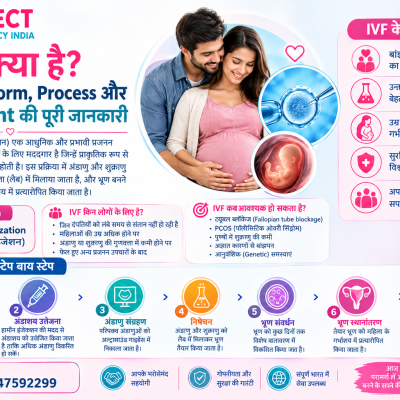
Here is a simple step-by-step explanation of how IVF works:
1. Ovarian Stimulation
The journey starts with stimulation. The woman gets medicine to help her ovaries produce many eggs. This is important because having many eggs increases the chances of getting pregnant.
Doctors check on the woman regularly to make sure everything is going smoothly.
2. Egg Retrieval
When the eggs are ready the doctor takes them out in a procedure. The woman gets some medicine to help her relax so she does not feel pain.
The doctor uses a needle to gently take the eggs from the ovaries. This only takes 20-30 minutes.
3. Sperm Collection
On the day the man gives a sperm sample. The sample is then prepared in the lab to find the sperm.
4. Fertilization
The eggs and sperm are combined in a dish, where they meet and form an embryo. If the man has trouble getting pregnant the doctor may use a technique called ICSI.
In ICSI the doctor puts a healthy sperm into the egg to help it get pregnant.
5. Embryo Culture
After the eggs and sperm meet the embryos are kept in a lab for a few days. The doctors watch them closely to make sure they are healthy.
The healthiest embryos are chosen to be put into the womans uterus which increases the chances of getting pregnant.
6. Embryo Transfer
The doctor puts one or more embryos into the womans uterus using a thin tube.
This procedure is simple. Usually does not hurt. After this the womans body takes over. Starts the pregnancy process.
7. Pregnancy Test and Follow-Up
10-14 days after the embryo is put into the uterus the woman gets a blood test to see if she is pregnant.
If the test is positive the doctors help the woman with the steps, including medicine and lifestyle changes to have a healthy pregnancy. They help with In Vitro Fertilization or IVF every step of the way. In Vitro Fertilization or IVF is a part of the journey, to becoming a parent.
IVF Process Step-by-Step
The IVF (In Vitro Fertilization) process is a carefully planned medical procedure that helps couples overcome infertility and achieve pregnancy. It involves several stages, each designed to support successful fertilization and embryo development. Although the process may seem complex at first, fertility specialists guide couples through every step to ensure comfort and clarity. Below is a simple step-by-step explanation of how the IVF process works.
1. Initial Consultation and Fertility Testing
The IVF journey begins with a detailed consultation with a fertility specialist. During this stage, the doctor reviews the couple’s medical history and recommends fertility tests to identify possible causes of infertility. Common tests include hormone testing, ultrasound scans, semen analysis, and blood tests. These evaluations help the doctor design a personalized treatment plan for the couple.
2. Ovarian Stimulation
After the initial evaluation, the female partner is given fertility medications to stimulate the ovaries. Normally, a woman produces one egg per cycle, but during IVF treatment, medications help the ovaries produce multiple eggs. This increases the chances of successful fertilization. The stimulation phase usually lasts 8–14 days, during which doctors monitor the ovaries using ultrasound scans and hormone tests.
3. Egg Retrieval (Ovum Pick-Up)
Once the eggs mature, they are collected through a minor medical procedure called egg retrieval. This procedure is usually performed under mild sedation to ensure comfort. A thin needle guided by ultrasound is used to collect the eggs from the ovaries. The procedure typically takes 15–30 minutes, and the collected eggs are immediately sent to the laboratory for fertilization.
4. Sperm Collection and Fertilization
At the same time, a sperm sample is collected from the male partner. The healthiest sperm are selected in the laboratory and combined with the eggs for fertilization. In some cases, a technique called ICSI (Intracytoplasmic Sperm Injection) is used, where a single sperm is injected directly into the egg to improve fertilization chances.
5. Embryo Development
After fertilization, the eggs begin to develop into embryos in a specialized laboratory environment. Embryologists carefully monitor the embryos for several days to ensure healthy growth. Usually, embryos are cultured for 3 to 5 days before being prepared for transfer into the uterus.
6. Embryo Transfer
During this step, the healthiest embryo is selected and transferred into the woman’s uterus using a thin catheter. The procedure is simple, painless, and usually does not require anesthesia. This stage is one of the most exciting parts of the IVF process because it brings the couple closer to the possibility of pregnancy.
7. Pregnancy Test
About 10–14 days after the embryo transfer, a blood test is performed to determine whether the IVF cycle was successful. If the test result is positive, the pregnancy will continue to be monitored with regular checkups and ultrasound scans.
What is an IVF Success Rate Calculator?
An IVF success rate calculator is a tool that estimates your chances of getting pregnant with IVF. It does not give a yes” or “no” answer. Instead it gives you a percentage that shows your chances based on your history.
Think of it like a forecast for your fertility. Like weather apps predict rain an IVF calculator uses data to estimate your chances of success.
These calculators use information from IVF cycles. Researchers look at this data to see what factors make success more likely and what factors make it less likely. The calculator then uses this information to give you an estimate.
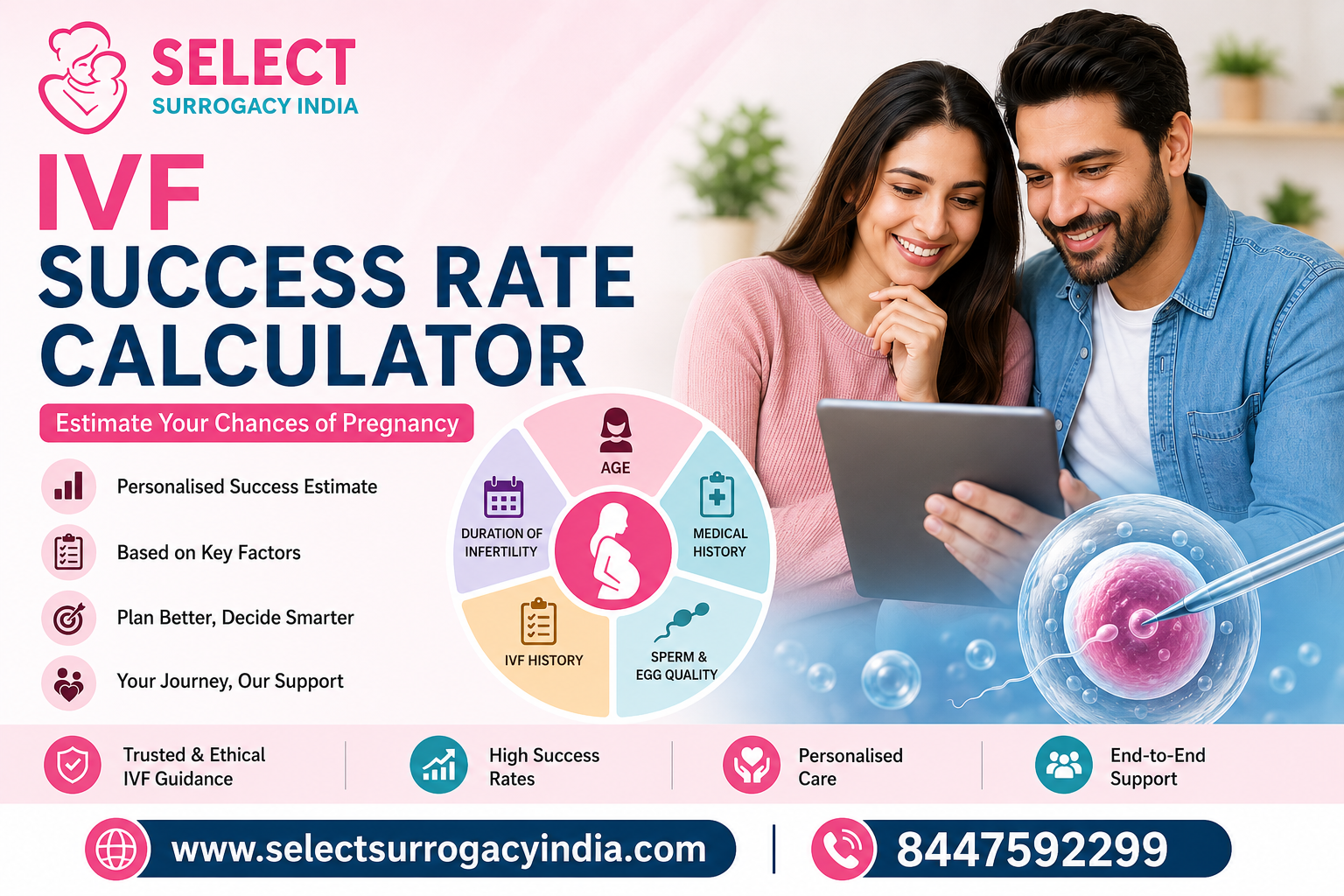
Key Inputs Used in the Calculator
To make the prediction accurate the tool considers important factors:
1. Age of the Woman
Your age is very important for IVF success. Younger women usually have eggs and higher chances of getting pregnant. As you get older after 35 your chances go down.
2. How Long You’ve Been Trying
How long you’ve been trying to get pregnant also matters. If you’ve been trying for a time you might have fewer underlying issues. If you’ve been trying for a time you might have more complex issues.
3. Medical Conditions
Conditions like PCOS endometriosis or thyroid problems can affect your chances. Some conditions can be managed, while others might make it harder to get pregnant.
4. Previous IVF Attempts
If you’ve tried IVF before the results of those attempts can give information. Multiple failed attempts might mean you need to look into issues or try a different approach.
5. Egg and Sperm Quality
The quality of your eggs and sperm affects how well fertilization works and if an embryo develops. Poor quality can lead to failed fertilization or weak embryos.
By looking at all these factors the calculator gives you an estimate. This helps you understand where you stand in your fertility journey.
Why is an IVF Calculator Important?
IVF can be emotionally, physically and financially tough. One of the challenges is not knowing if it will work. An IVF success rate calculator helps reduce that uncertainty.
1. Setting Expectations
Many couples start IVF with high hopes but success is not guaranteed. A calculator helps you set expectations based on your profile. For example a 28-year-old may have chances than someone in their late 30s.
2. Reducing Anxiety and Uncertainty
Not knowing your chances can be stressful. A calculator gives you a range, which can make things feel more manageable.
This can reduce anxiety for first-time IVF patients.
3. Financial Planning
IVF can be expensive especially if you need cycles. Knowing your estimated success rate can help you plan financially.
For example if your chances are high you might need cycles. If your chances are low you might need to budget for attempts.
4. Guiding Treatment Decisions
Doctors can use these estimates to suggest treatment plans. If your predicted success rate is low they might recommend approaches, such as donor eggs or sperm or lifestyle changes.
The calculator does not replace advice but it supports smarter decision-making.
Important Note
It’s essential to understand that an IVF calculator is not a guarantee of success or failure. It is simply an estimate based on probability. Real-life outcomes can vary due, to unpredictable biological factors.
What is an IVF Success Rate Calculator?
An IVF success rate calculator is a tool that helps people figure out how likely they are to get pregnant using IVF treatment. It does not give a simple yes or no answer. Instead gives a probability usually as a percentage that shows your chances of getting pregnant based on your personal medical information.
Think of it like a forecast for your fertility. Like weather apps use past data and current conditions to predict if it will rain an IVF calculator uses medical data and information about you to estimate your chances of success.
These calculators are based on a lot of data from thousands of IVF treatments that have been done over the world. Medical researchers study this data to find patterns and figure out what factors make IVF more or less successful. The calculator then uses these patterns to give you an estimate that is tailored to your situation.
Key Inputs Used in the Calculator
To make the prediction as accurate as possible the tool looks at important factors:
1. The age of the woman
The age of the woman is the important factor in IVF success. Women who are younger usually have quality eggs and are more likely to get pregnant. As women get older after 35 their chances of getting pregnant with IVF gradually decrease because their eggs are not as good and they have fewer eggs left.
2. How long you have been trying to get pregnant
How long you have been trying to get pregnant also matters. If you have not been trying for long you might have fewer problems that could affect your chances of getting pregnant with IVF. If you have been trying for a time you might have more complicated problems that could make it harder to get pregnant.
3. Medical conditions
medical conditions, like PCOS endometriosis, thyroid problems or problems with your uterus can affect your chances of getting pregnant with IVF. Some of these conditions can be managed,. Others might make it harder for you to get pregnant or reduce the quality of your eggs.
4. Previous IVF attempts
If you have tried IVF before the results of those attempts can give information. If you have tried IVF times and it has not worked it might mean that there are underlying problems that need to be looked into further or that you need to try a different treatment.
5. The quality of your eggs and sperm
The quality of your eggs and sperm directly affects how fertilization and embryo development work. If your eggs or sperm are not quality it can lead to failed fertilization or weak embryos, which reduces your chances of getting pregnant.
By looking at all these factors the calculator gives you an estimate of your chances of getting pregnant which helps you understand where you stand in your journey to get pregnant.
Why is an IVF Calculator Important?
The IVF process can be very tough emotionally, physically and financially. One of the challenges couples face is not knowing if it will work. An IVF success rate calculator helps reduce this uncertainty by giving you an idea of your chances.
1. Setting expectations
Many couples start IVF thinking it will work the first time but IVF is not guaranteed to work and sometimes you need to try multiple times. A calculator helps you set expectations based on your situation. For example a 28-year-old woman might have a chance of getting pregnant than someone who is 38. This helps you prepare mentally for what might happen.
2. Reducing anxiety and uncertainty
Not knowing your chances can be very stressful. Even though a calculator cannot guarantee the result having an estimate gives you a sense of direction and makes the situation feel more manageable.
This can really reduce anxiety for people who are trying IVF for the first time.
3. Planning financially
IVF treatment can be very expensive especially if you need to try times. Knowing your estimated success rate can help you plan better financially. If your chances are high you might not need to try many times. If your chances are low you might need to budget for attempts.
This allows couples to make decisions about their money instead of going into it without a plan.
4. Guiding treatment decisions
Doctors can also use these estimates to help them decide on the treatment plan. If your predicted success rate is low they might suggest options like using donor eggs or sperm advanced techniques like ICSI or making lifestyle changes before starting treatment.
So the calculator does not replace advice but it helps you make smarter decisions.
Important Note
It is crucial to remember that an IVF calculator is not a guarantee of success or failure. It is an estimate based on probability. Real-life results can vary due to unpredictable biological factors.
How Does an IVF Success Rate Calculator Work?
Now lets talk about how it works.
An IVF calculator uses statistical models and data analysis. These models are trained on datasets collected from fertility clinics, research institutions and national IVF registries.
Step 1: Collecting data
First researchers gather data from thousands of IVF treatments. This includes information about the patients age, medical history, treatment protocols, embryo quality and whether the treatment was successful.
This large dataset forms the basis of the calculator.
Step 2: Analyzing patterns
Next the system looks for trends and relationships within the data. For example how success rates change with age how many attempts it usually takes to get pregnant. The impact of conditions like PCOS or endometriosis.
Over time clear patterns emerge. For instance it becomes clear that women under 30 have success rates than women over 40.
Step 3: Creating probability models
Once patterns are identified mathematical models are used to predict outcomes. These models calculate probabilities based on the combination of factors entered by the user.
For example a 32-year-old woman with no issues might have a higher probability of getting pregnant while a 38-year-old woman with endometriosis and previous IVF failures might have a lower probability.
Step 4: Giving results
Finally the calculator gives a result usually as a percentage range. Some advanced calculators also provide information, such as the success rate per cycle the cumulative success rate after multiple cycles and recommendations, for improving your chances.
Average IVF Cost in India

The cost of IVF treatment in India varies significantly depending on multiple factors. On average, a single IVF cycle can cost between INR 1,00,000 and INR 3,50,000.
However, this is only the base cost. The total expense may increase when additional procedures, medications, and repeated cycles are required.
In many cases, the overall cost per cycle ranges from INR 1,50,000 to INR 4,00,000 when all components are included.
It is important to note that IVF success is not guaranteed in a single cycle. Many patients may require multiple cycles, which further increases the total expenditure.
The following helps you understand the cost of IVF in India:
| Types of IVF treatment in India | The cost of IVF treatment in India (INR) |
| IVF with self-egg and sperm cost in India | INR 1,50,000 |
| IVF with ICSI cost in India | INR 1,65,000-1,85,000 |
| IVF with donor egg cost in India | INR 2,06,000-3,00,000 |
| IVF with donor sperm cost in India | INR 2,10,000 |
| IVF with Laser Assisted Hatching (LAH) cost in India | INR 2,10,000-2,20,000 |
| IVF with donor embryo cost in India | INR 2,05,000-3,00,000 |
| IVF with PGD technique cost in India | INR 3,00,000 |
The following will help you to understand the IVF treatment cost in different states of India:
| States of India | Cost of IVF in different states of India (INR) |
| IVF cost in India | INR 1,50,000 to INR 1,80,000 |
| IVF cost in Raipur | INR 1,40,000 to INR 2,00,000 |
| IVF cost in Delhi | INR 1,40,000 to INR 2,30,000 |
| IVF cost in Mumbai | INR 1,00,000 to INR 3,50,000 |
| IVF cost in Punjab | INR 1,00,008 to INR 2,00,000 |
| IVF cost in Haryana | INR 1,40,000 to INR 2,00,000 |
| IVF cost in Rajasthan | INR 1,50,000 to INR 2,00,000 |
| IVF cost in Uttar Pradesh | INR 1,40,000 to INR 2,10,000 |
| IVF cost in Madhya Pradesh | INR 1,40,000 to INR 2,20,000 |
| IVF cost in Dehradun | INR 1,40,000 to INR 2,00,000 |
| IVF cost in Bihar | INR 1,30,000 to INR 2,00,000 |
| IVF cost in Jharkhand | INR 1,40,000 to INR 2,00,000 |
| IVF cost in Assam | INR 1,20,000 to INR 1,80,000 |
| IVF cost in Gujrat | INR 1,40,000 to INR 2,80,000 |
| IVF cost in Tamil Nadu | INR 1,40,000 to INR 2,30,000 |
| IVF cost in Andhra Pradesh | INR 1,40,000 to INR 2,00,000 |
| IVF cost in Himachal Pradesh | INR 1,40,000 to INR 2,20,000 |
How to Use an IVF Success Rate Calculator
Using an IVF success rate calculator is usually simple, but the value you get depends on how accurately you enter your details. These tools are designed to create a personalized estimate, so even small inputs can influence the final result.
Most calculators are available online through fertility clinic websites or medical platforms. They are user-friendly and take only a few minutes to complete.
Step-by-Step Process
1. Enter Your Age
Age is the first and most important input. Since fertility declines with age, the calculator uses this as the base factor to determine your initial probability.
2. Add BMI (Body Mass Index)
Your weight relative to your height affects hormonal balance. Both underweight and overweight individuals may have lower success rates, so BMI helps refine the estimate.
3. Select Fertility Diagnosis
You may be asked if you have conditions like PCOS, endometriosis, unexplained infertility, or male factor infertility. These conditions directly impact IVF outcomes.
4. Mention Previous Pregnancies
If you’ve had a successful pregnancy before, it may slightly improve your predicted chances, as it indicates that conception is biologically possible.
5. Provide IVF History
Details such as:
- First IVF attempt
- Previous failed cycles
- Previous successful IVF
This helps the calculator adjust the probability based on past outcomes.
What Happens After Input?
Once all details are entered, the calculator processes the information using statistical models and displays your estimated success rate—usually as a percentage range.
Some advanced tools may also show:
- Success rate per cycle
- Cumulative success rate (after multiple cycles)
- Suggestions for improving chances
The key is to treat the result as a guideline, not a final verdict.
Example Calculation (Understanding the Output)
Let’s break it down with a realistic scenario so it feels less abstract.
Profile:
- Age: 32
- Egg quality: Good
- No major fertility issues
- First IVF attempt
Estimated Success Rate: 45%–55% per cycle
What This Actually Means
This doesn’t mean there is a guaranteed 50% chance of pregnancy. Instead, it means that out of 100 people with a similar profile, around 45 to 55 may achieve pregnancy in one IVF cycle.
Also, if the first cycle doesn’t work, the chances don’t reset to zero. With repeated cycles, the overall probability increases—this is known as cumulative success rate.
So practically:
- 1 cycle → ~50% chance
- 2–3 cycles → significantly higher overall chance
This is why doctors often recommend multiple attempts when possible.
IVF Success Rate in India
IVF success rates in India are generally comparable to global standards, especially in well-equipped fertility clinics.
Average Success Rates
- Per cycle: 40%–50%
- After multiple cycles: Can reach up to 65%–70%
However, these are average figures. Actual success rates vary widely depending on individual and clinical factors.
Factors That Influence Success in India
1. Clinic Quality
Advanced labs, modern equipment, and strict protocols improve embryo development and implantation rates.
2. Doctor’s Expertise
Experienced fertility specialists can better customize treatment plans, improving overall success.
3. Patient Condition
Age, medical history, and fertility health still remain the biggest deciding factors.
4. Technology Used
Techniques like ICSI, blastocyst transfer, and genetic testing (PGT) can enhance outcomes in certain cases.
So while India offers relatively affordable IVF, choosing the right clinic is critical for better results.
IVF Success Rate Calculator Accuracy
Let’s be very clear here—this is where many people misunderstand things.
No IVF success rate calculator is 100% accurate.
Why Accuracy is Limited
1. Every Body is Different
Even two people with the same age and condition can have completely different outcomes. Human biology doesn’t follow exact formulas.
2. Biological Uncertainty
Fertilization, embryo development, and implantation are complex processes. A small unseen factor can change the result.
3. External Variables
Things like:
- Lab quality
- Doctor’s technique
- Medication response
- Lifestyle during treatment
are not fully captured by calculators.
4. Data-Based Estimation
Calculators rely on past data and averages—not real-time biological conditions.
Bottom Line
Use the calculator as a planning tool, not as a promise. It gives direction, not certainty.
Tips to Improve IVF Success Rate
While some factors like age cannot be changed, many lifestyle and treatment-related factors are within your control. Small improvements can significantly impact your chances.
1. Maintain a Healthy Weight
Hormonal balance is closely linked to body weight.
- Being overweight can lead to insulin resistance and hormonal imbalance
- Being underweight may disrupt ovulation
Aim for a balanced BMI before starting IVF to improve response to medications and implantation chances.
2. Eat a Fertility-Friendly Diet
Nutrition plays a powerful role in reproductive health.
Include:
- Fresh fruits and vegetables (antioxidants)
- Protein sources (eggs, dairy, legumes)
- Healthy fats (nuts, seeds, olive oil)
Avoid:
- Processed foods
- Excess sugar
- Trans fats
A well-balanced diet supports egg quality, sperm health, and hormone regulation.
3. Avoid Smoking and Alcohol
This is non-negotiable if you’re serious about IVF success.
- Smoking reduces egg reserve and sperm quality
- Alcohol disrupts hormonal balance and affects embryo development
Even moderate consumption can negatively impact results, so it’s best to stop completely during treatment.
4. Manage Stress Effectively
IVF can be emotionally exhausting, and stress can indirectly affect outcomes.
High stress levels may:
- Impact hormone production
- Affect sleep quality
- Reduce overall well-being
Helpful practices include:
- Meditation
- Light exercise (like walking or yoga)
- Counseling or support groups
A calm mental state supports better physical response to treatment.
5. Choose an Experienced IVF Clinic
This decision can make a major difference.
Look for:
- High success rates (especially in your age group)
- Qualified fertility specialists
- Advanced lab facilities
A good clinic not only improves success chances but also ensures proper guidance throughout the journey.
6. Follow Medication Strictly
IVF treatment involves a carefully planned medication schedule.
Missing doses or taking them incorrectly can:
- Affect egg development
- Disrupt ovulation timing
- Reduce implantation chances
Always follow your doctor’s instructions precisely and attend all scheduled appointments.
IVF Success Rate in India
The following table helps you to understand the success rate of IVF in India:
| IVF treatment in India | Success rates of IVF in India |
| IVF with self-eggs | 60 to 90% |
| IVF with self-sperm | 65 to 86% |
| IVF with donor eggs | 70 to 85% |
| IVF with donor sperm | 73 to 87% |
| IVF with FET | 60 to 65% |
| IVF with ICSI | 50 to 85% |
The following table lets you understand the success rates based on age:
| The success rate of IVF based on age | The success rate of IVF in India |
| women with age between 20 to 25 years | Up to 98% |
| women with age between 25 to 35 years | Up to 95% |
| women with age between 35 to 40 years | Up to 73% |
| women with age between 40 to 45 years | 40 to 70% |
| women with age between 45 to 50 years | 35 to 60% |
Why Select IVF India is a Trusted Choice?

1. Ethical & Legal Compliance
We strictly follow all guidelines and regulations related to IVF treatment in India. Adhering to legal and ethical standards is a top priority, ensuring that every step of the process is safe, transparent, and compliant with medical norms.
- Proper documentation at every stage
- Clear consent and legal transparency
- Patient rights and confidentiality maintained
- No unethical practices or hidden procedures
We continuously stay updated with the latest IVF regulations to ensure that all treatments are conducted in a legally secure and ethically responsible manner.
2. High Success Rates
We collaborate with some of the most advanced IVF centres and experienced embryologists in Lucknow. Our approach is focused on personalized treatment, which significantly improves success rates.With a success rate of over 70% in many cases, we carefully evaluate each patient’s medical condition, age, and fertility factors before designing a treatment plan. The use of advanced technology, high-quality lab facilities, and expert supervision contributes to better outcomes.
3. End-to-End Support and Care
From your first consultation to a successful pregnancy, we provide complete support throughout your IVF journey. Our team ensures that every aspect of the treatment is handled smoothly and professionally.
- Medical consultation and treatment planning
- Coordination with IVF specialists
- Diagnostic tests and procedures
- Continuous monitoring during cycles
- Support until pregnancy confirmation and beyond
We aim to make the entire process stress-free and well-managed for intended parents.
4. Transparency & Trust
We believe in complete honesty and clarity when it comes to IVF treatment. There are no hidden charges, and all costs are explained in detail before starting the procedure.Patients are kept informed at every stage, ensuring they understand the progress, procedures, and expected outcomes. Our transparent approach helps build trust and long-term confidence.
5. Personalised Care
Every individual or couple has a unique fertility journey. We create customized IVF treatment plans based on medical history, emotional needs, and financial considerations.
Our personalized approach includes:
- Tailored treatment strategies
- Emotional and psychological support
- Flexible financial planning options
- Focus on patient comfort and well-being
Conclusion
Understanding your chances of success is one of the most important steps before starting IVF treatment. An IVF success rate calculator helps bring clarity to this journey by giving you a realistic estimate based on factors like age, fertility condition, previous IVF attempts, and overall health.
While the calculator provides valuable insights, it is important to remember that IVF is not purely mathematical. Every individual’s body responds differently, and many emotional, biological, and medical factors influence the final outcome. A lower predicted success rate does not mean failure, and a higher percentage does not guarantee pregnancy.
The true value of an IVF success rate calculator lies in helping you prepare—mentally, emotionally, and financially. It allows you to plan your treatment better, set realistic expectations, and have more informed discussions with your fertility specialist.
Ultimately, IVF is a journey of patience, hope, and trust. With the right medical guidance, a healthy lifestyle, and a positive mindset, many couples are able to achieve their dream of parenthood—even when the odds seem uncertain.
Frequently Asked Questions (FAQs)
An IVF success rate calculator is a tool that estimates the probability of pregnancy through IVF based on factors like age, fertility diagnosis, medical history, and previous treatment outcomes.
The calculator provides an estimated success rate based on statistical data, but it is not 100% accurate. Actual results can vary depending on individual health conditions, treatment quality, and biological factors.
The average IVF success rate in India is around 40% to 50% per cycle, but it can increase with multiple cycles depending on age and health conditions.
Yes, age is the most important factor. Women under 35 generally have higher success rates, while success chances decrease after the age of 35 due to declining egg quality.
No, IVF cannot guarantee pregnancy. It increases the chances of conception, but success depends on multiple medical and biological factors.
Some couples conceive in the first cycle, while others may need 2–3 cycles to achieve pregnancy. This is known as cumulative success rate.
Yes, you can improve your chances by:
Maintaining a healthy weight
Eating a balanced diet
Avoiding smoking and alcohol
Managing stress
Following your doctor’s advice strictly
No, the calculator should be used as a guide. Always consult a fertility specialist for accurate diagnosis and personalized treatment planning.
Common factors include:
Advanced age
Poor egg or sperm quality
Uterine issues
Lifestyle habits like smoking or stress
Yes, success rates often improve with multiple cycles due to better understanding of the body’s response and treatment adjustments.
Read More:-
- Surrogacy Cost in Mumbai (2026) – Complete Price Breakdown & Legal Guide
- IVF Cost Calculator in India – Estimate Your IVF Treatment Cost Instantly
- Best Surrogacy Centre in Bihar – Top Clinics, Cost & Success Rates (2026 Guide)
- Surrogacy Cost in Bihar (2026 Complete Guide)
- Best Surrogacy Centre in Patna 2026 – Top 10 Clinics & Cost Guide

Medically Reviewed By: Select Surrogacy India Medical Team (Fertility Experts & IVF Specialists)
Our content is reviewed by experienced fertility specialists and IVF professionals associated with Select Surrogacy India, ensuring accurate, up-to-date, and reliable information for intended parents.
✔ IVF Treatment Guidance✔ Surrogacy Consultation✔ Egg Donation Support
👉 Content reviewed for accuracy and latest IVF & surrogacy laws in India